
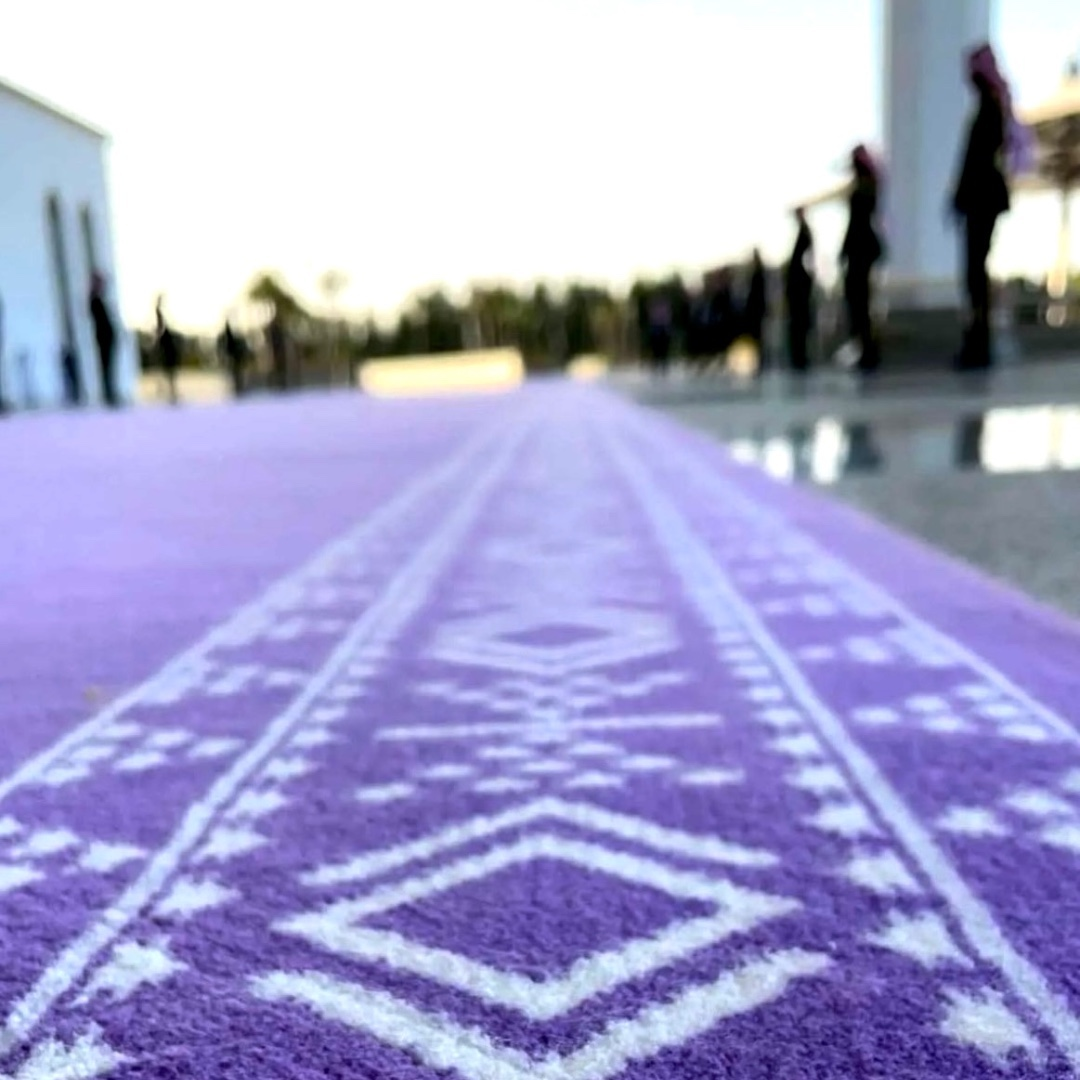
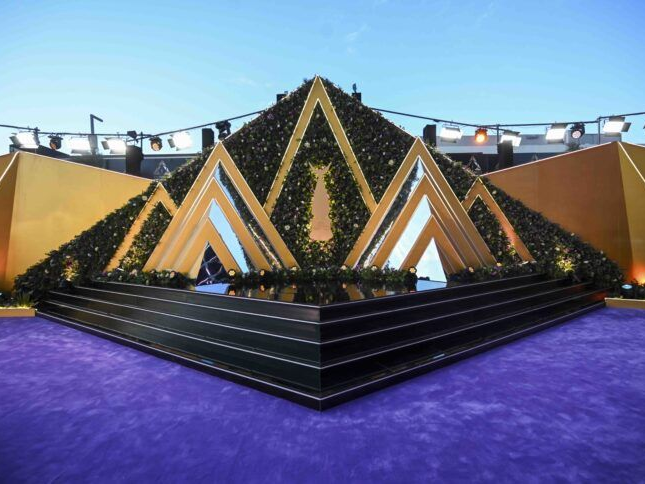
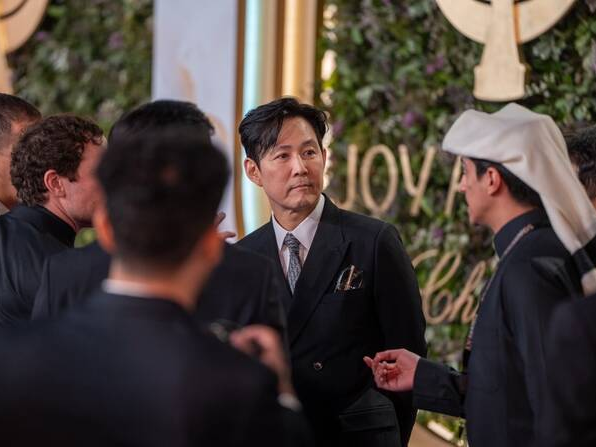
In Riyadh, the first thing people notice at Joy Awards 2026 is not the flash of cameras. It is the carpet. Lavender, not red. A deliberate Saudi signal inside a global format. It sets the tone for what this event has become: a public celebration that turns creativity into real work, real institutions, and real momentum.
Joy Awards sits within a wider season of cultural programming, but its impact reaches further than one night. It helps shape what Saudi audiences applaud, what brands invest in, and what young creatives imagine as possible.
What Does Lavender Symbolize in Saudi Arabia?
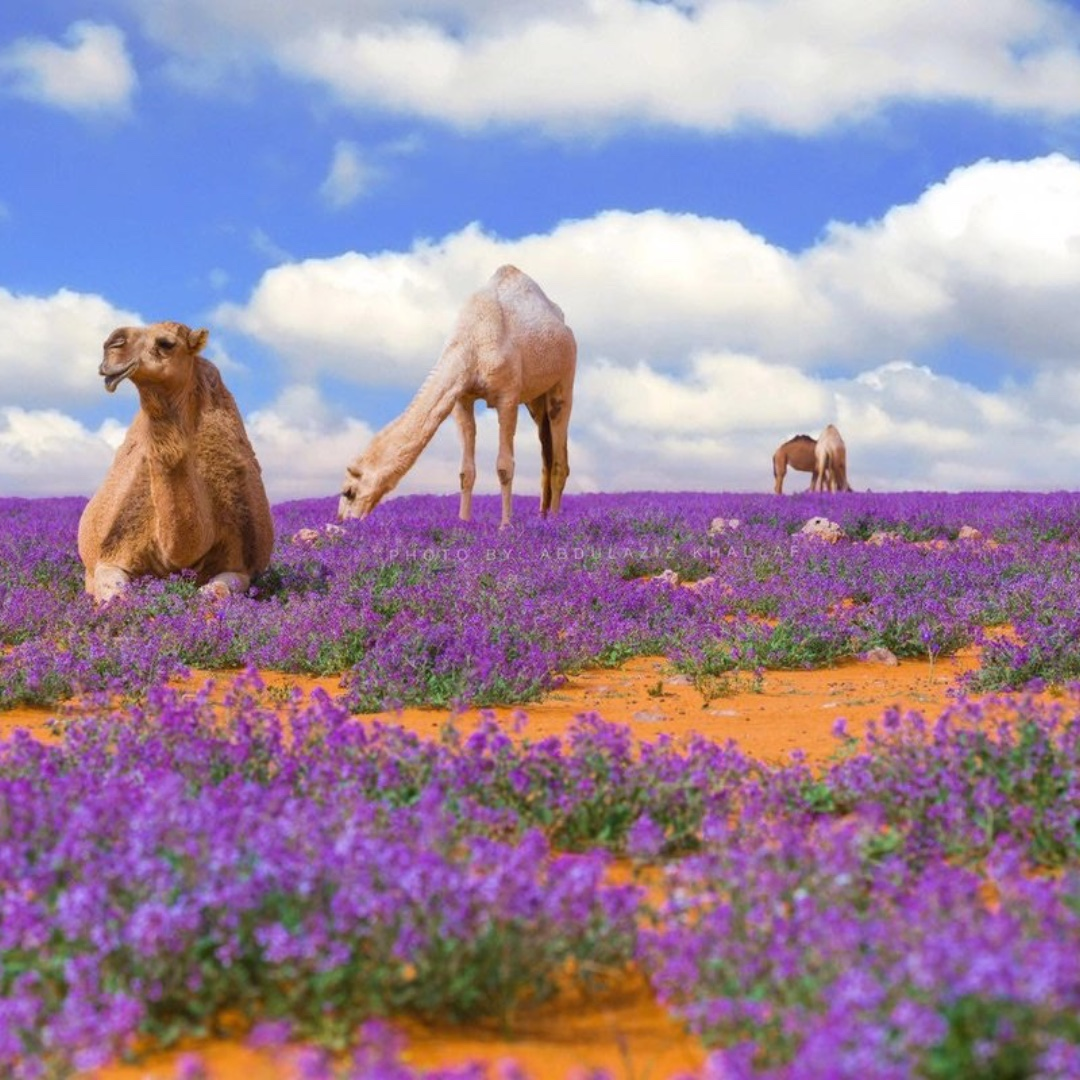
Saudi Arabia did not choose lavender by accident. In 2021, a formal protocol change introduced lavender as the ceremonial carpet color for official receptions, drawing inspiration from the Saudi landscape and seasonal desert blooms.
Many descriptions of the ceremonial carpet also highlight a heritage detail: its edges reference Al Sadu patterns, an iconic weaving tradition recognized by UNESCO as Intangible Cultural Heritage. That connection matters because it links contemporary presentation to a craft language that is deeply rooted in place.
Why Joy Awards 2026 Matters Beyond One Night
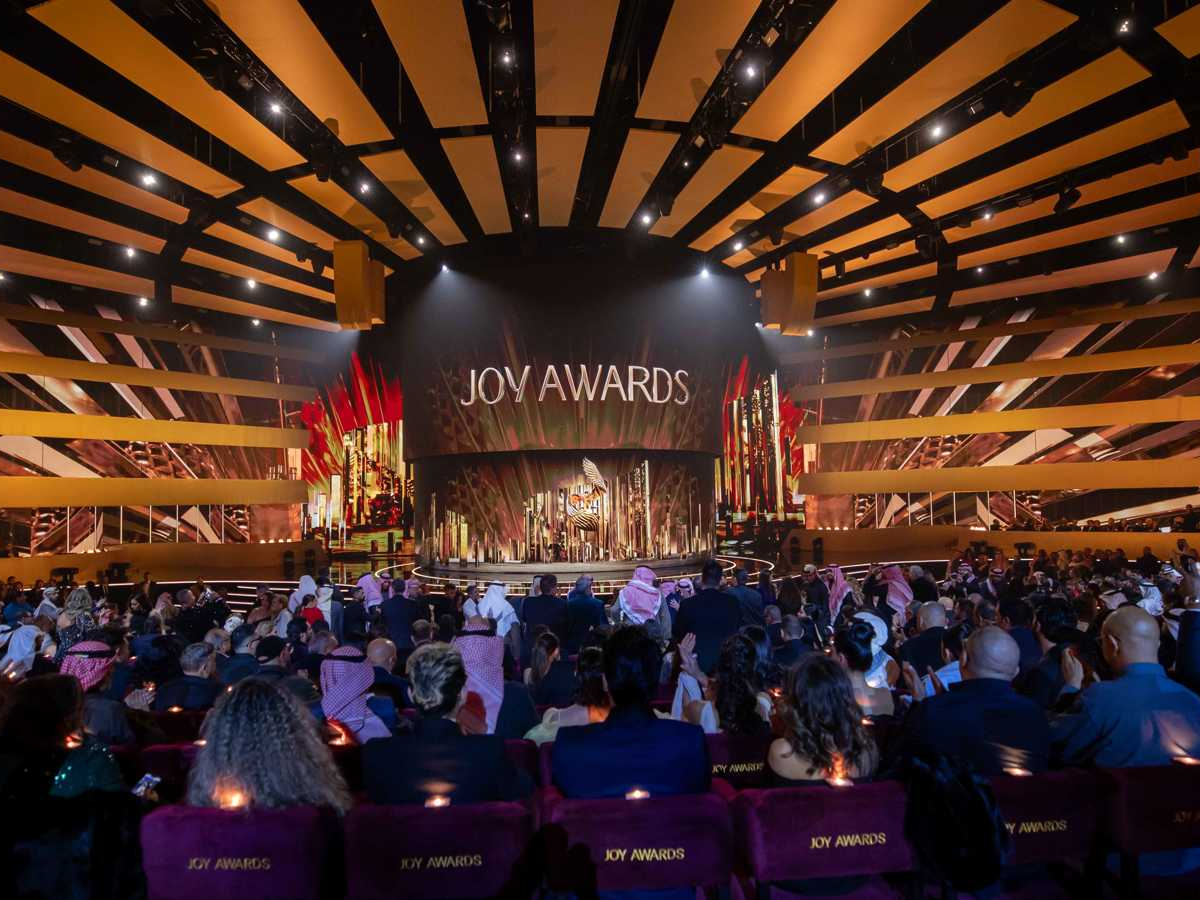
A lavender carpet is a symbol, but it gains power when it is repeated, televised, and tied to real production. Joy Awards 2026 compresses a full creative ecosystem into one frame, then broadcasts what audiences celebrate and what institutions choose to elevate. This creates cultural impact that is also economic, through jobs, skills, businesses, and demand for local talent. An effect widely recognized in global cultural and creative industry frameworks.
What follows is the “lavender carpet effect”, i.e. how a culturally grounded event can translate aesthetics and pride into a functioning cultural economy.
How Events Like Joy Awards Build a Cultural Economy
1) They Turn Culture Into a Real Market
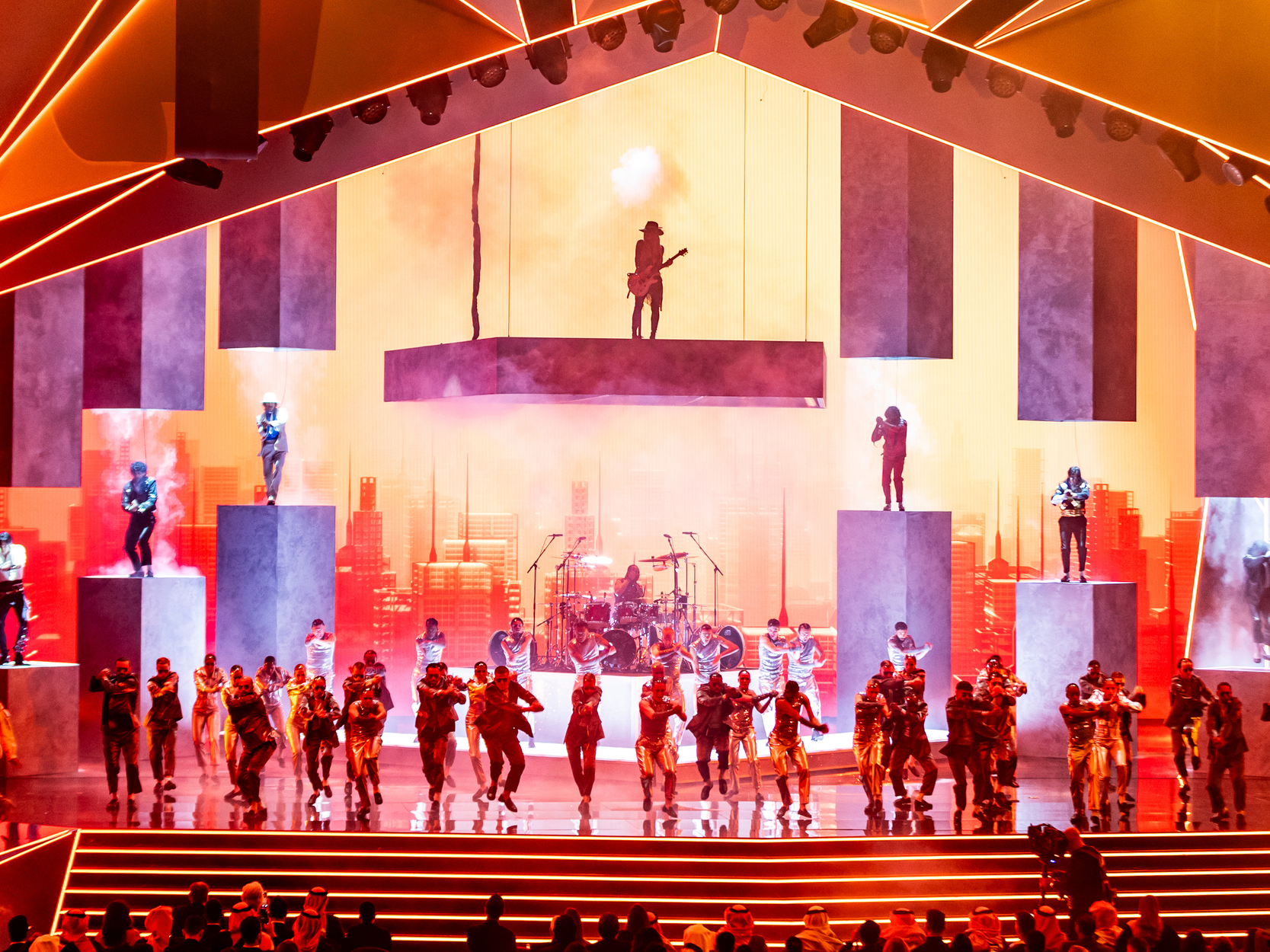
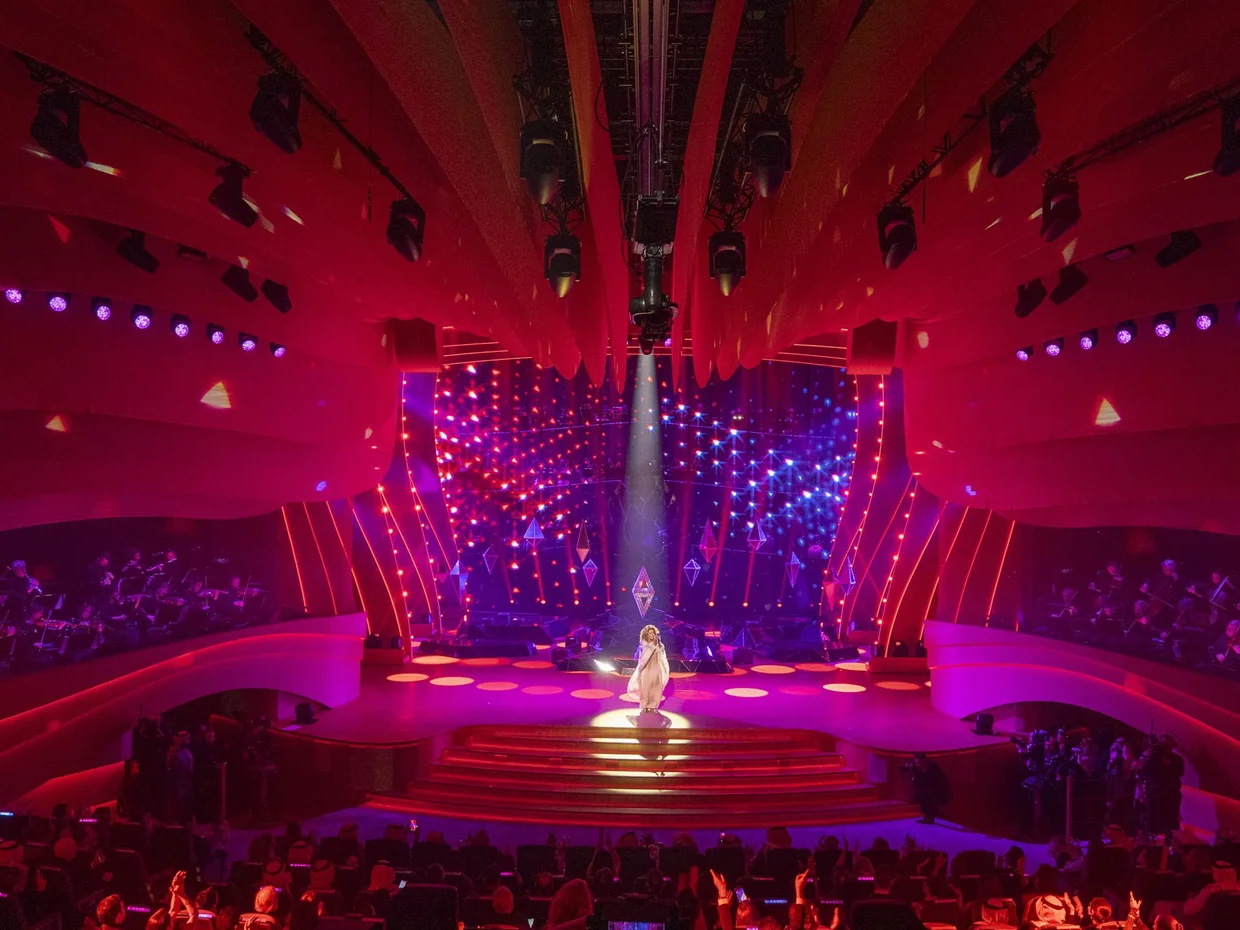
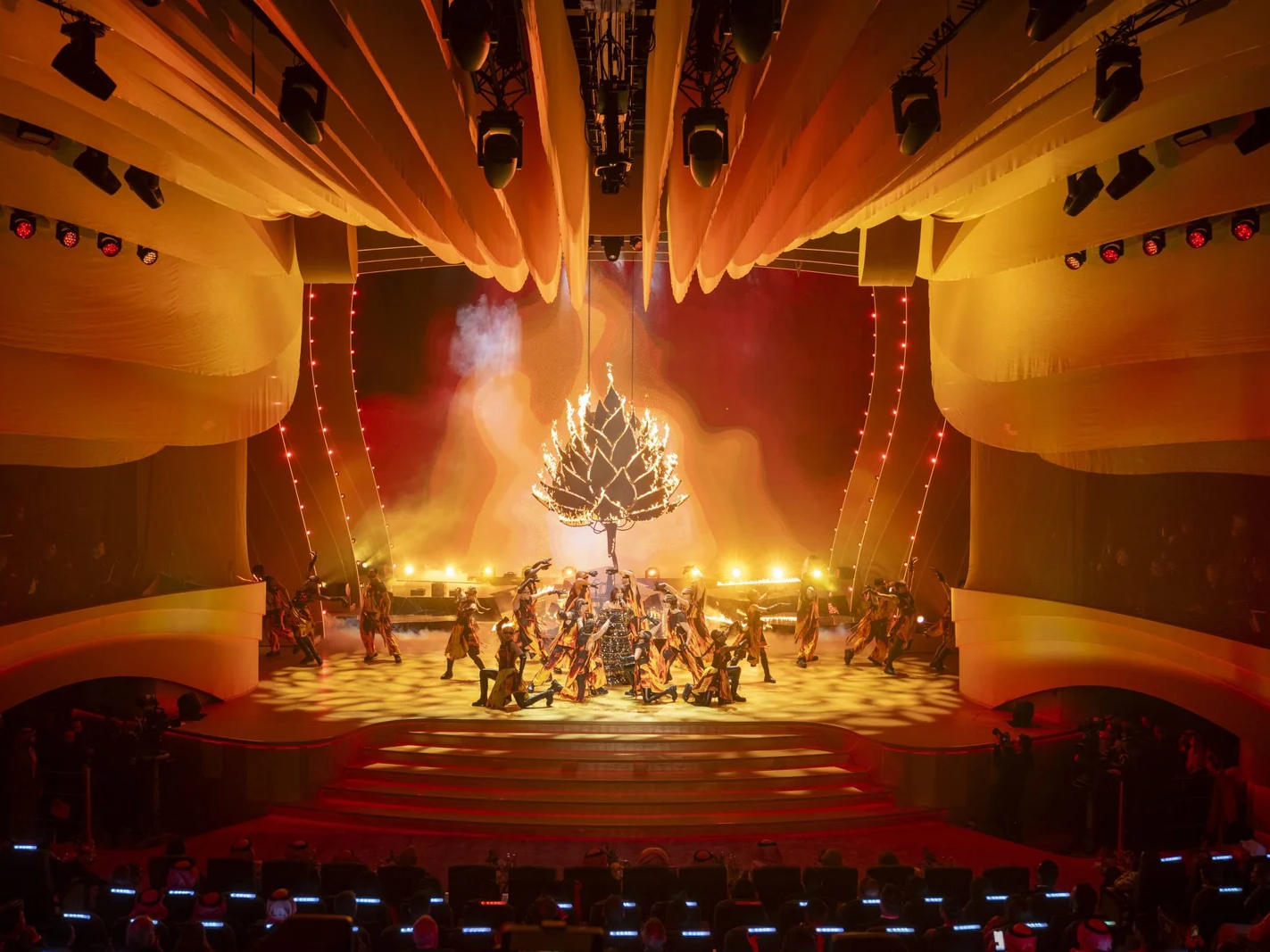
A cultural economy is not only about museums and heritage sites. It also includes the workforce that makes culture visible. Large events concentrate spending across a wide creative supply chain including production crews, lighting and sound, stage build, styling, makeup, PR, ticketing, venue operations, security, catering, and media.
When these events return each year, the work becomes steadier, and that stability supports companies, training, and long-term careers. Joy Awards 2026 reflects this breadth by placing film, music, and digital creators on one national stage, signaling that creative labor now includes new media as well as traditional entertainment.
2) They Make Creative Careers Credible for Women and Youth
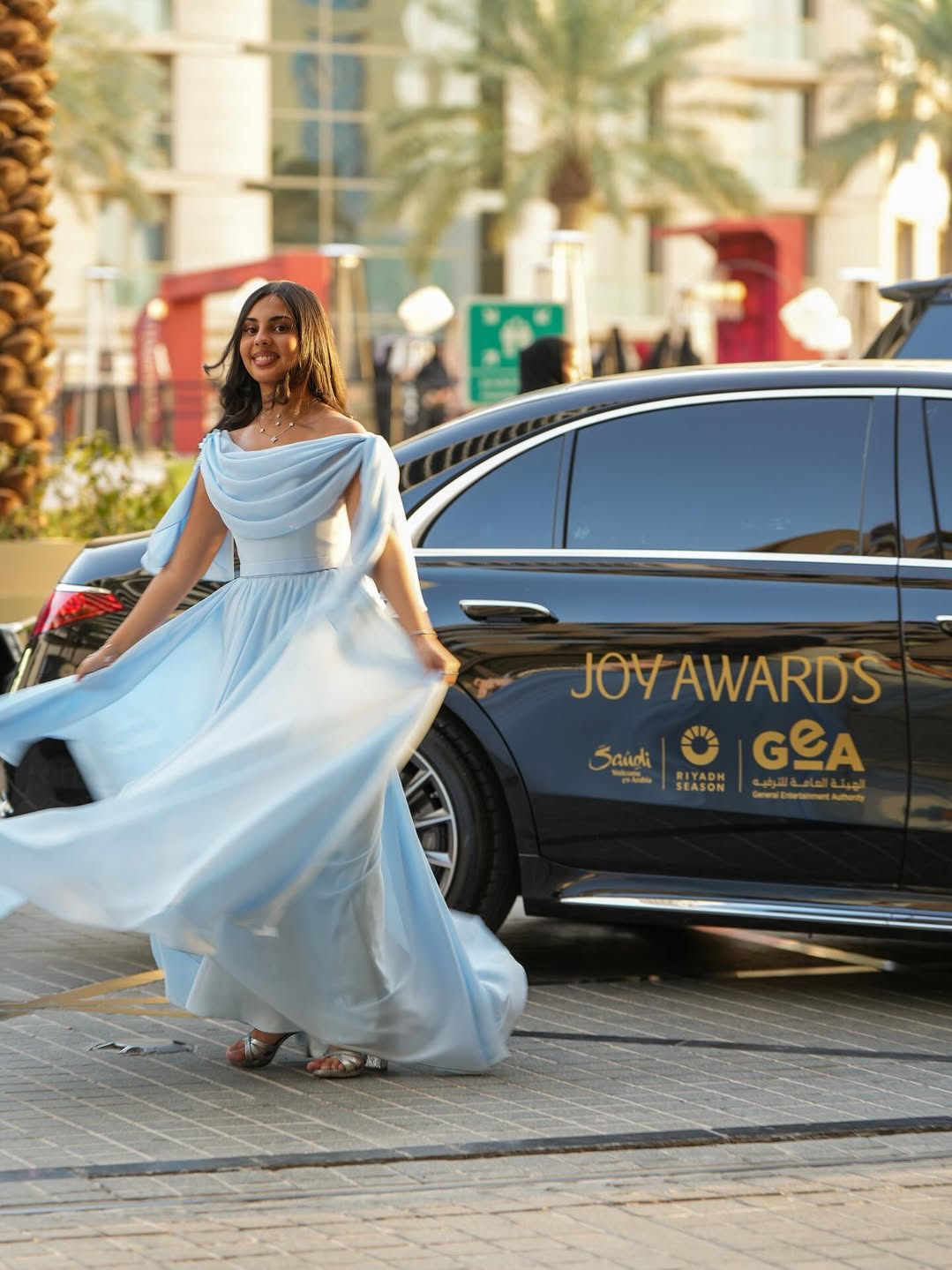
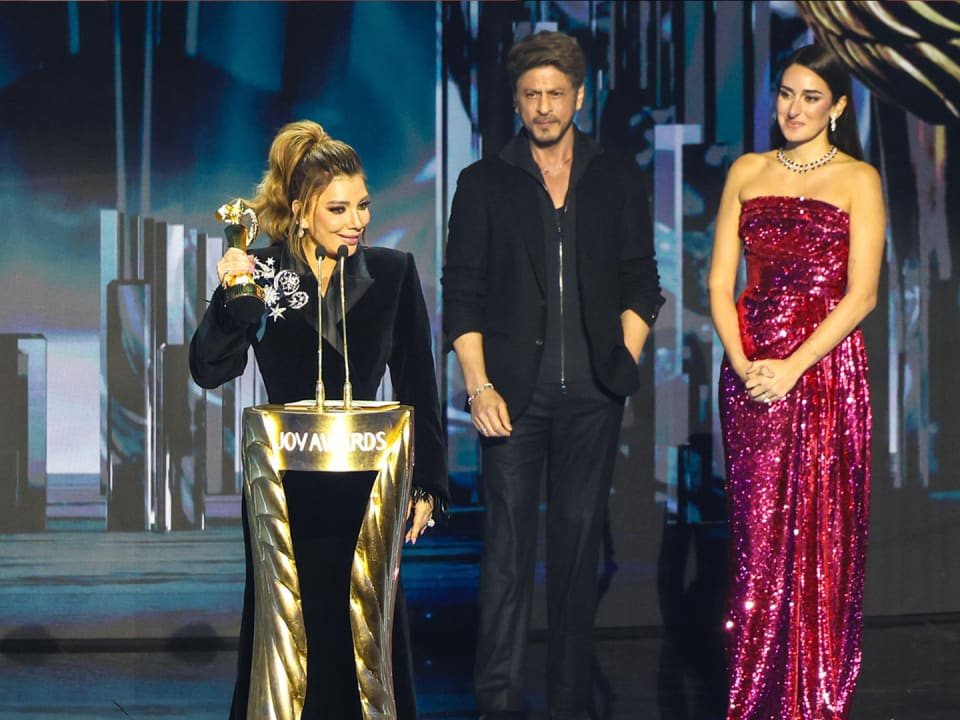
Cultural shifts become real when they feel ordinary in public life, and Joy Awards 2026 made that visibility unmistakable. Rateel Alshehri won Favorite Female Influencer at just 14, placing Saudi girls and youth at the center of a national stage, not at its edges. In the same spirit, Linda Al-Faisal appeared among the ceremony’s presenters, frequently noted as the youngest on the lineup—another signal that new Saudi female voices are being trusted with major cultural moments.
Together, these moments frame digital creativity (storytelling, on-camera presence, and social content craft) as legitimate cultural work, while also showing how recognition is increasingly tied to Saudi skill and industry through locally credited design and production.
3) They Make Fashion a Respected Creative Industry
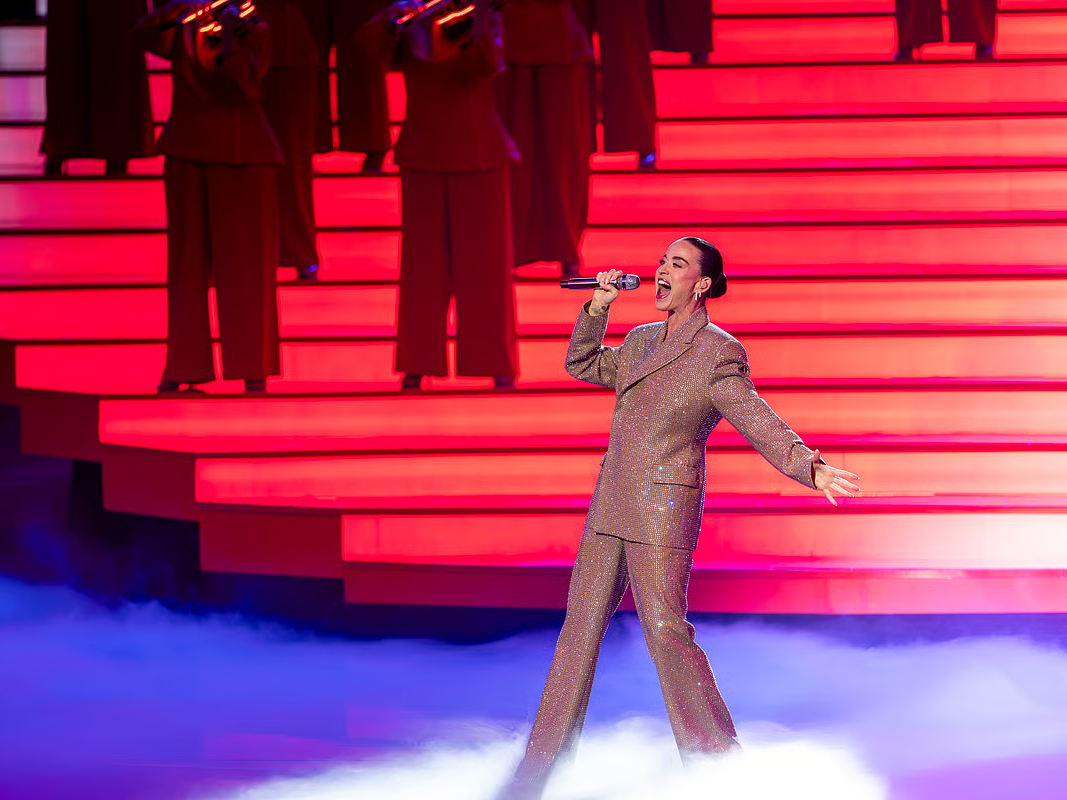
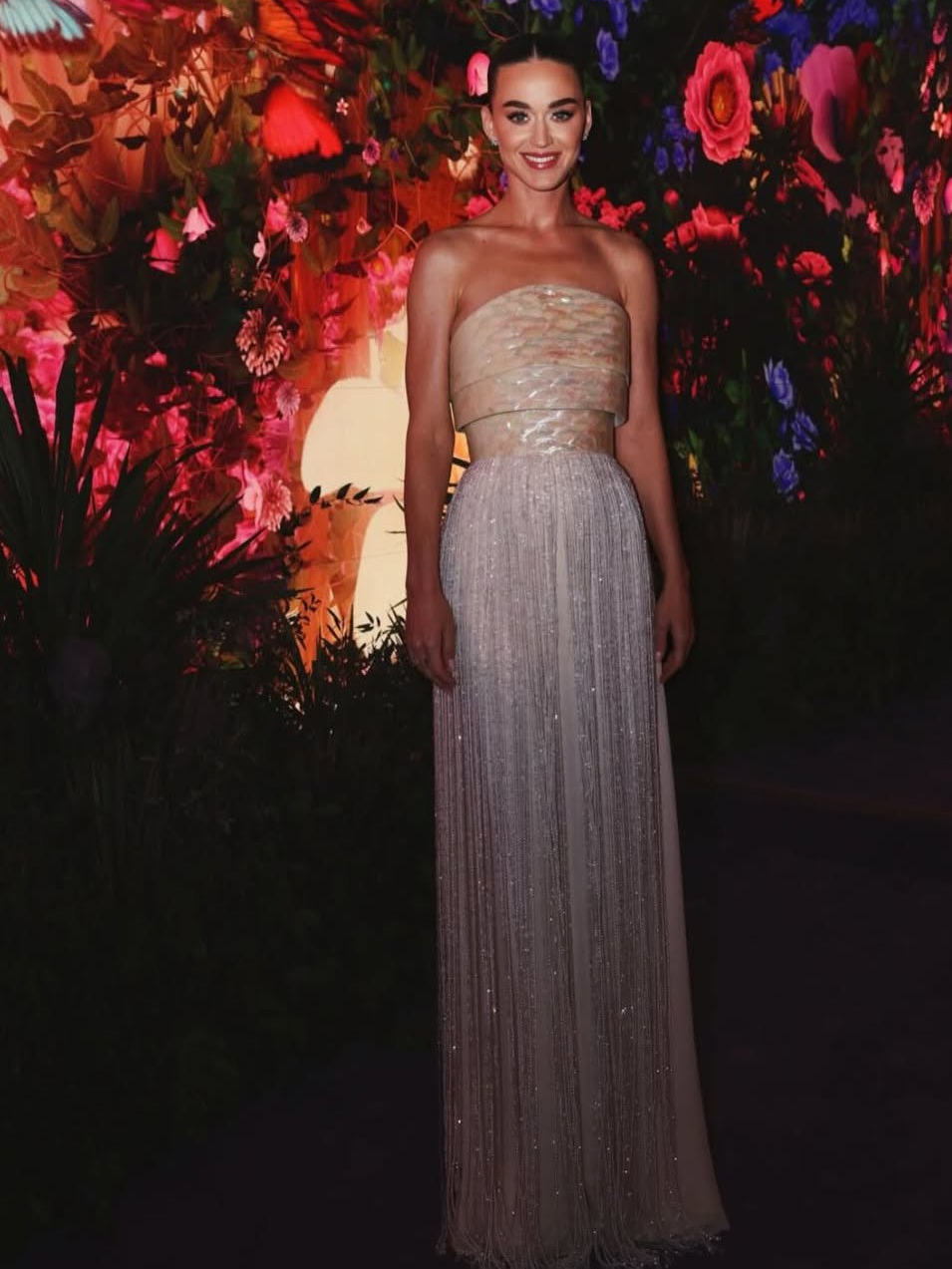
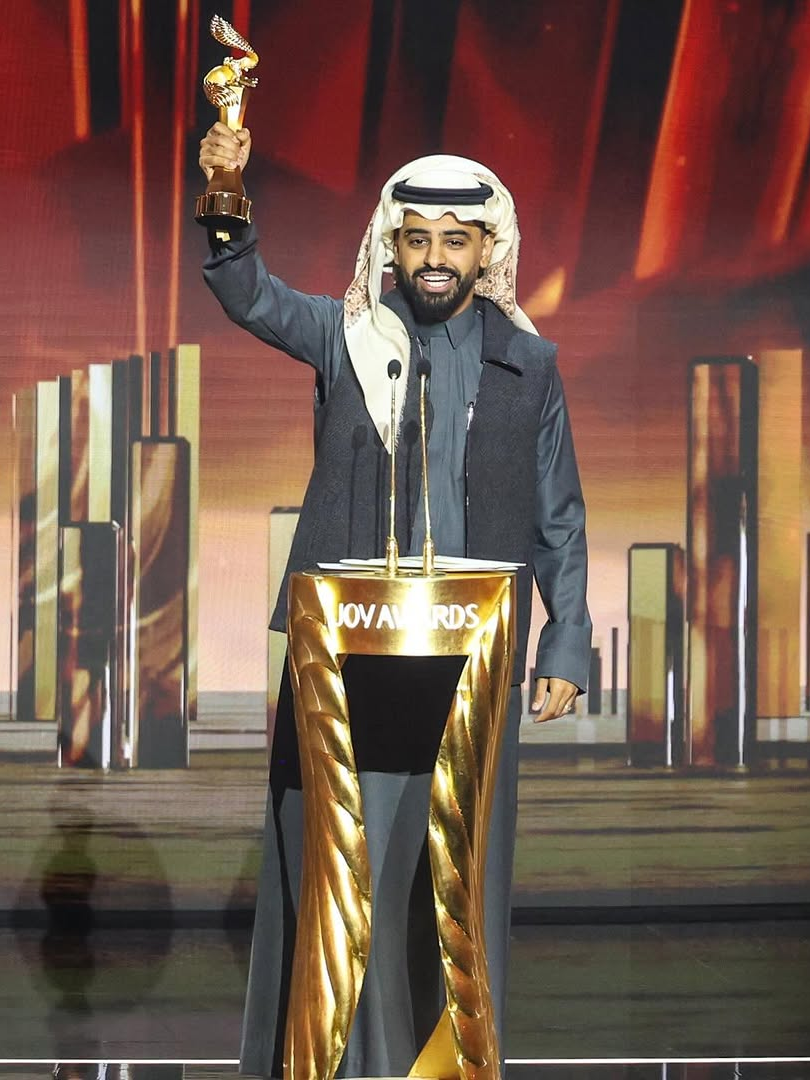
Joy Awards 2026 suggests Saudi fashion acceptance is moving from “allowed” to confidently “owned.” The ease of seeing global stars dressed however they wanted, without it feeling like a disruption, signals growing comfort with variety in public presentation, especially in a formal Saudi setting. At the same time, Saudi identity sat naturally beside global glamour: figures like Mjrm Games wearing a thobe in the middle of a high-glam carpet showed traditional dress isn’t treated as out of place, but as self-assured. Add to that the moment of Katy Perry wearing a look credited to Saudi designer Waad Aloqaili, and the message becomes clearer: local design is now part of the same prestige economy, not a side note.
In short, the night wasn’t just about dressing up. It showed a country increasingly comfortable hosting many aesthetics at once while still setting its own cultural frame.
Also Read: Saudi Designers Took Center Stage at the Joy Awards 2026
4) They Boost Tourism and the Visitor Economy
Cultural events pull people into cities: they influence trip timing, fill hotels, and activate restaurants, transport, and retail. OECD research links major cultural events to stronger destination appeal, especially when they sit within a consistent calendar. In Saudi Arabia, tourism-related employment passing one million jobs by 2025 shows how large the visitor economy has become as cultural programming expands. Joy Awards doesn’t drive tourism alone, but it helps make Riyadh a planned cultural destination when televised moments become travel anchors.
5) They Build the Training Pipeline for Creative Work
Awards like Joy Awards can spotlight talent in one unforgettable night, but institutions are what keep that talent growing year after year. That is why cultural infrastructure matters: training, clear pathways, and stable opportunities that turn creativity into lasting work. Global development research on cultural and creative industries consistently shows the biggest gains come when countries build ecosystems that develop skills and support sustainable enterprise, not when they rely on one-off spectacles.
Saudi Arabia’s Riyadh University of Arts, announced in 2025 and expected to begin operations in 2026, fits this logic directly, because its early programs include music, film, theatre, and performing arts, the same fields celebrated on the Joy Awards stage. This is what turns a cultural moment into a cultural economy. Not only celebrating talent, but building the pipeline that produces more of it.
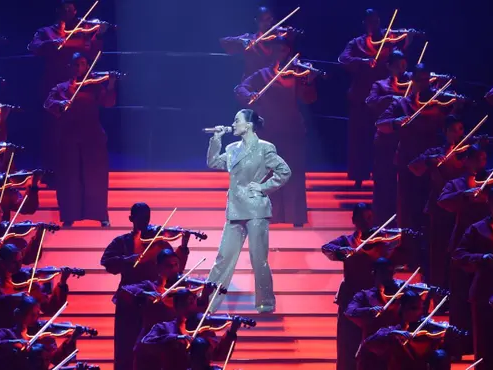
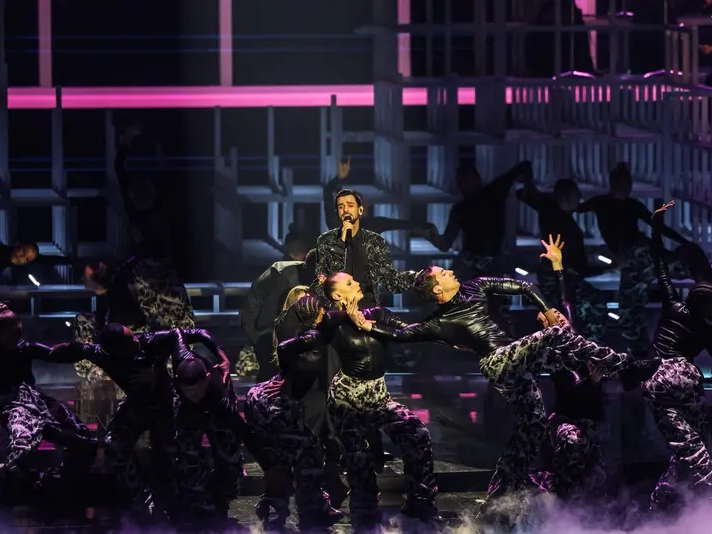
6) They Create Soft Power Through Cultural Export
Soft power is often described in big terms, but its mechanics are simple. People see. People feel. People remember. A broadcast event carries:
- A country’s aesthetics (lavender protocol, Saudi design),
- Language cues (Arabic speech patterns, honorifics, tone),
- Social codes (hospitality, welcome, respect).
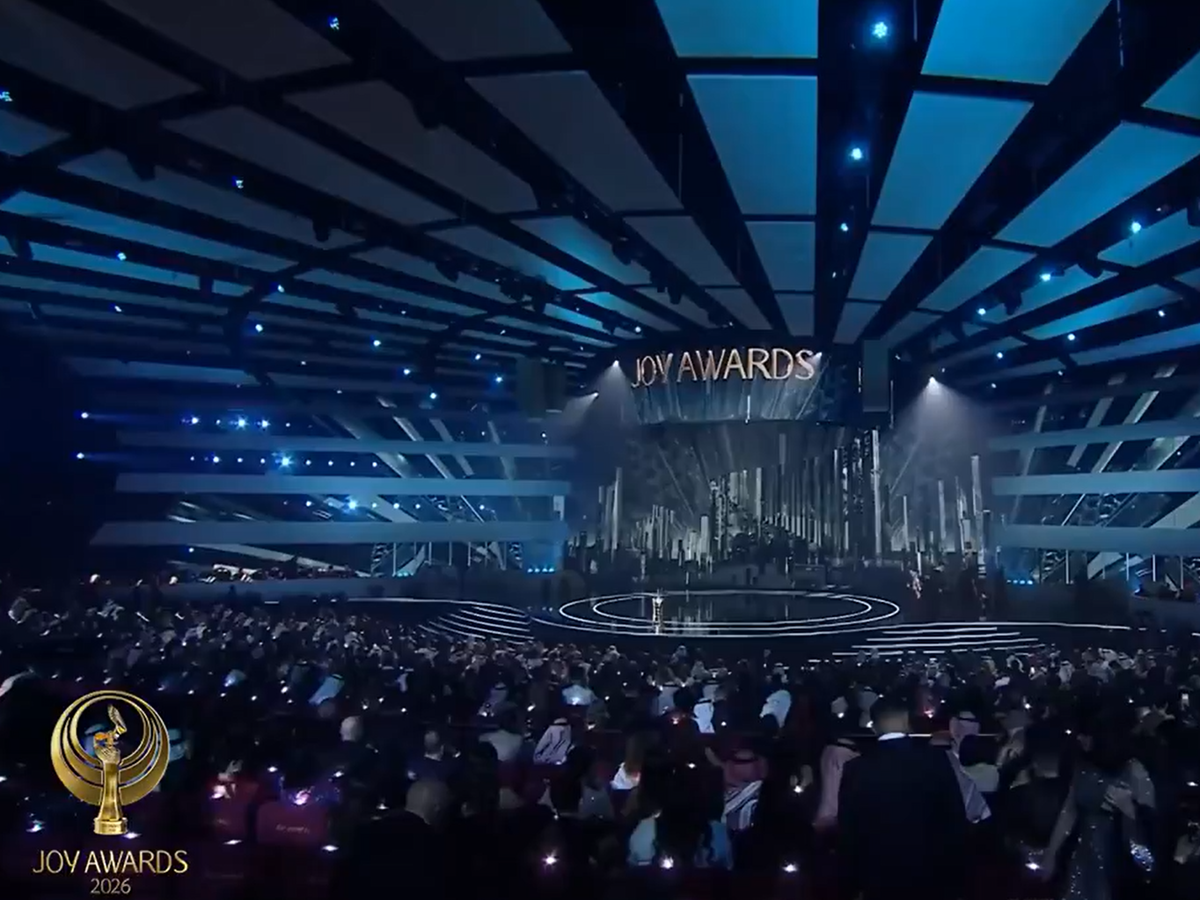
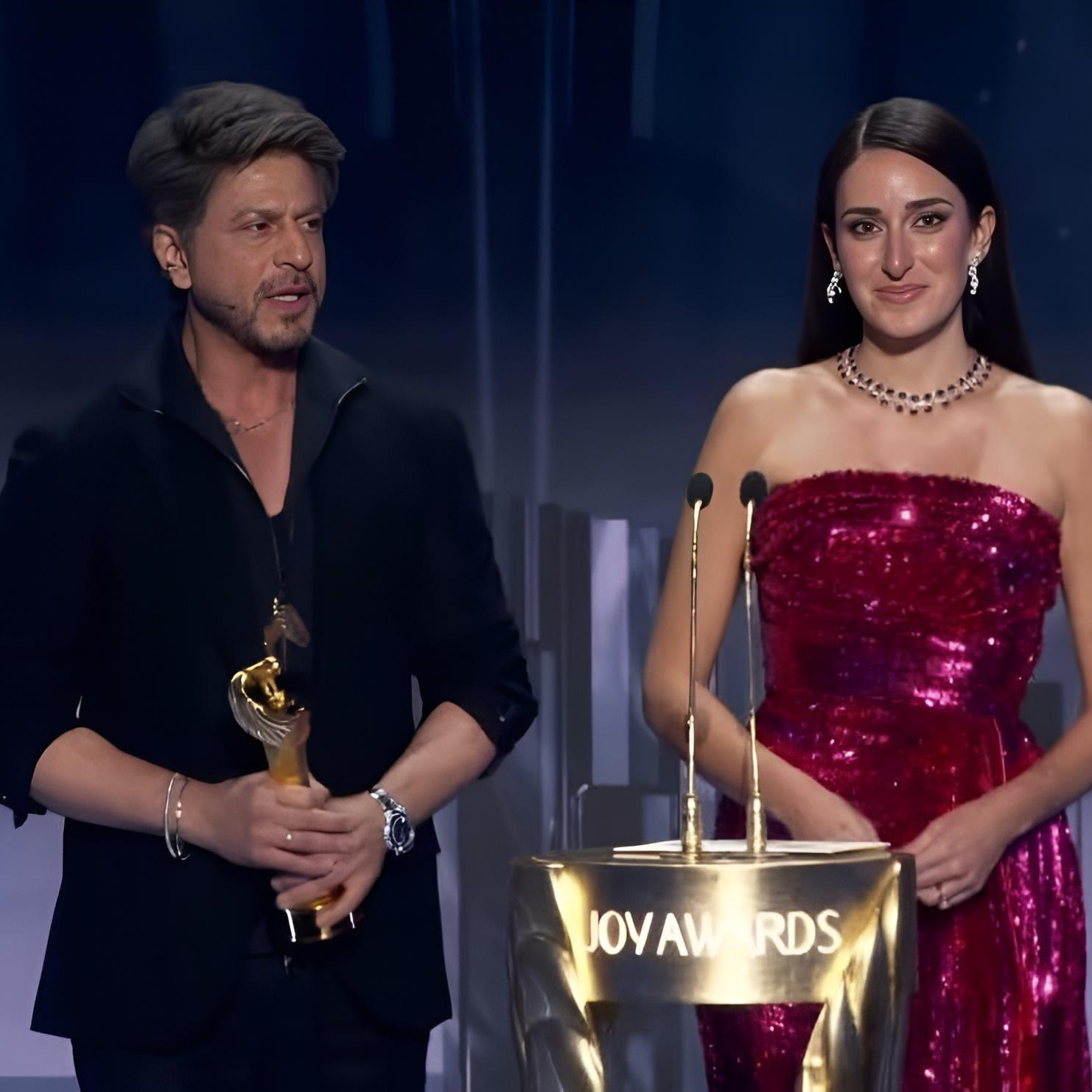
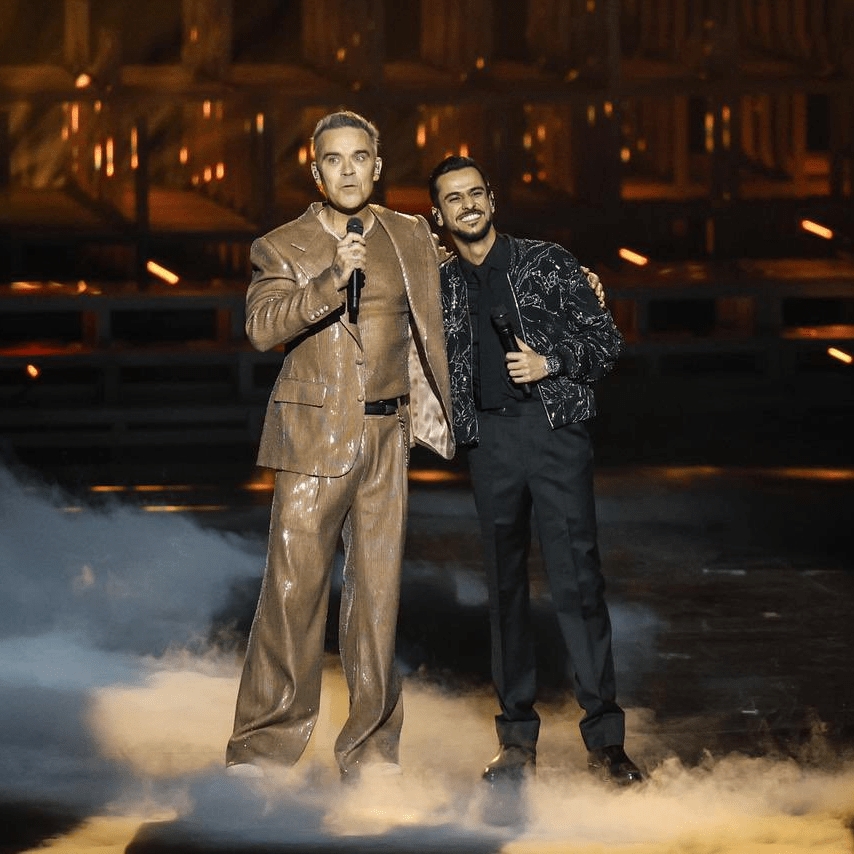
Coverage of Joy Awards 2026 framed the ceremony as a showcase of Arab creativity hosted in Riyadh, with guest reactions praising the atmosphere and hosting. This matters economically because cultural recognition can become demand: demand for Saudi experiences, Saudi designers, Saudi locations, and Saudi stories.

7) They Attract Investment and Build Host-City Capability
A successful recurring event makes it easier to attract sponsors and brand partnerships, and it builds a city’s practical ability to host large productions: venue readiness, production standards, and supplier networks.
Riyadh’s advantage is repetition. Each cycle creates learning. Smoother logistics, stronger local suppliers, more experienced creative teams, and a clearer identity in how the city hosts.
The Lavender Carpet Effect
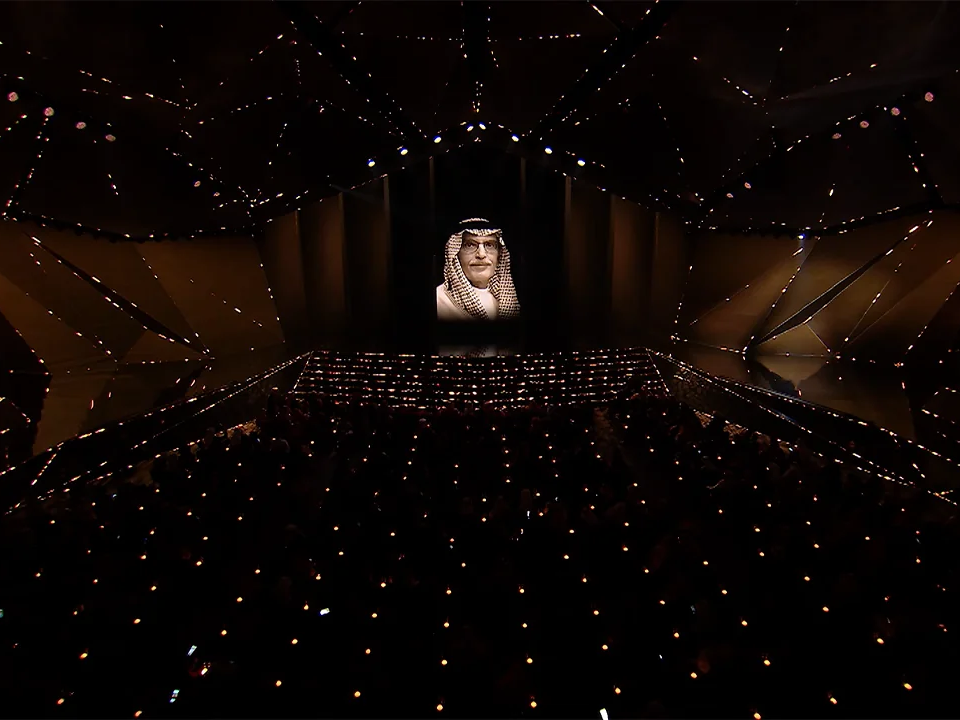
Recognition across film, series, and digital creators. Diversity on one carpet. Saudi women and youth in the spotlight. That is how culture becomes an economy: when a night like Joy Awards creates demand for Saudi talent, strengthens the institutions behind the scenes, and carries a Saudi cultural signature far beyond Riyadh.
Follow the Kingdom’s Cultural Calendar
Subscribe to Saudi Cultures for weekly updates on events, heritage, and voices across the Kingdom.