
Ramadan is the ninth month of the Islamic calendar and one of the holiest times of the year for Muslims. During this month, Muslims fast each day from dawn to sunset, meaning they do not eat or drink during daylight hours. The fast is not only about food. It is also a month of worship, self-discipline, family closeness, and generosity toward others.
In Saudi Arabia, Ramadan is felt everywhere because daily life reshapes itself around that sacred rhythm. Days become calmer. Nights become fuller. Streets glow, homes open, mosques fill, and generosity appears in public in ways that often surprise first-time visitors.
What is the Reason for Fasting?
In Islam, fasting in Ramadan is meant to shape the heart before it shapes the day. It is prescribed to build taqwa, i.e., a deeper awareness of God that guides choices and character. By stepping away from food and drink from dawn to sunset, people train patience and self-control, carrying that discipline into everyday life. The fast also creates space for worship and gratitude: more prayer, more reflection, and a clearer appreciation of simple blessings. And because hunger is felt personally, it strengthens empathy and social responsibility, making charity and care for others a natural part of the month. Finally, fasting marks Ramadan as a sacred season linked to the revelation of the Qur’an, honoring its meaning through devotion and restraint.
1) It Starts with Maghreb Prayer and Iftar Time
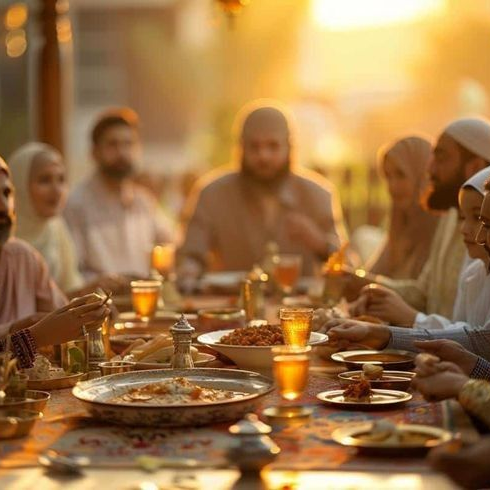
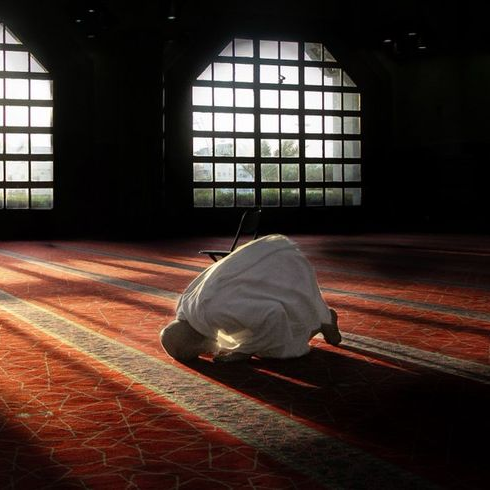
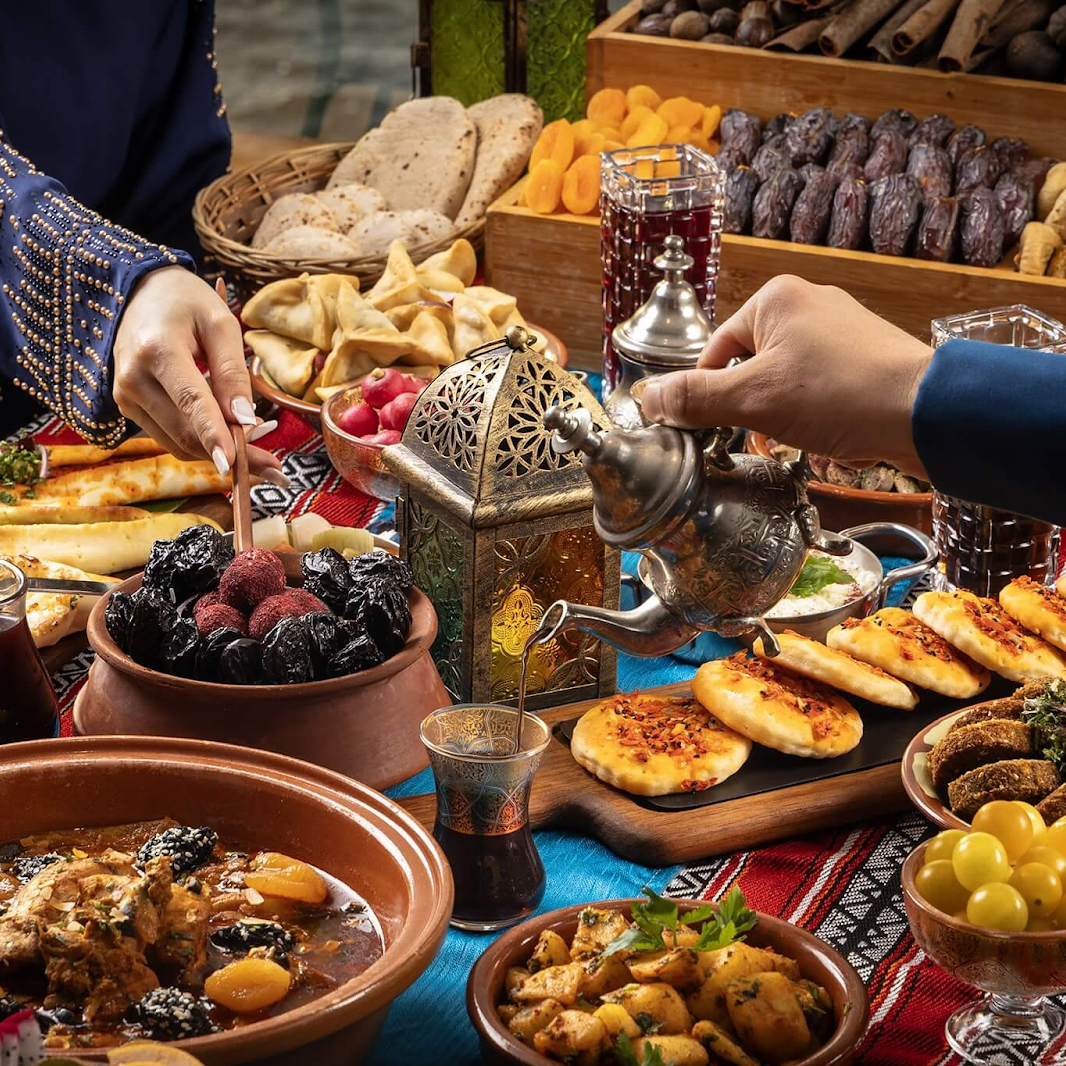
The turning point of every Ramadan day is Maghreb, the evening prayer that begins at sunset. When Maghreb time approaches, a noticeable calm settles in. Roads get quieter. People head home. Everyone is waiting for the same moment: the end of the day’s fast. That fast is broken with iftar, the meal eaten at sunset to end the day of fasting. Many Saudi households begin iftar simply, often with dates and water, a traditional way Muslims break their fast, then move into comfort dishes.
For someone visiting for the first time, the most striking detail is how shared this moment feels. It is not unusual for people to send plates to neighbors, invite relatives at the last minute, or make sure a worker nearby has something to eat. The atmosphere after sunset becomes lively, but it keeps a certain gentleness, because the spiritual center of the night is about to begin.
2) Right After Iftar, Taraweeh Begins
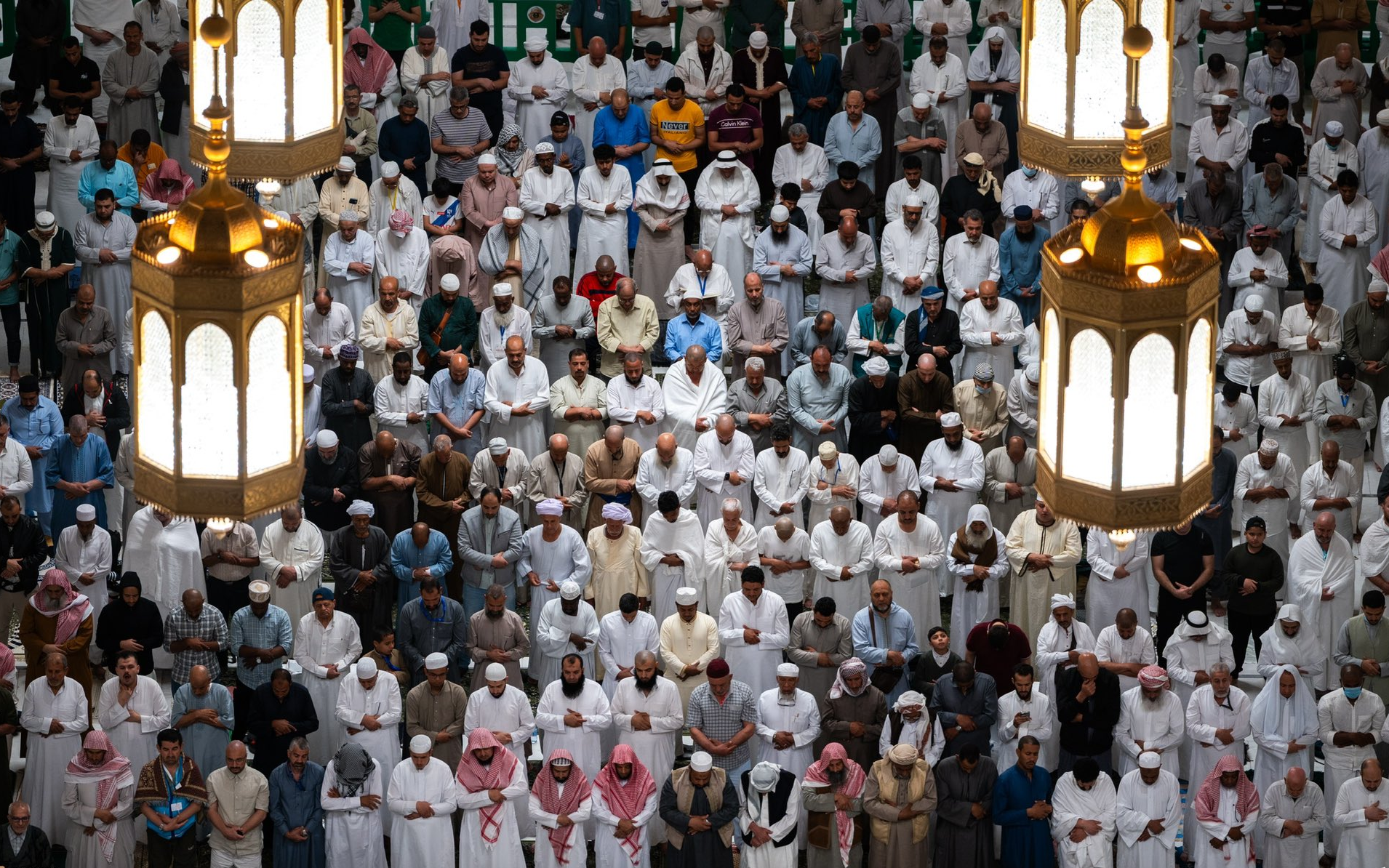
After iftar and the night prayer that follows, many Muslims attend Taraweeh, special prayers performed at night only during Ramadan. Taraweeh can last a while, and the experience is often described as peaceful and uplifting. In Saudi neighborhoods, mosques become the anchor of the night: families arrive together, rows form smoothly, Qur’an recitation fills the prayer hall, and the feeling is both devotional and communal. When Taraweeh ends, the night feels like a second day, the city shifting into its liveliest hours.
3) After Taraweeh, the Social Nightlife Starts
When Taraweeh ends, the streets don’t empty. Families step out for a walk. Friends drop in on one another. Cafés and late-night spots fill up. The night becomes the main social window, guided by prayer times and shaped by the same spirit that set the day’s pace.
Ghabgha, the Late-Night Gathering
Between Taraweeh and the pre-dawn hours, many Saudis gather for ghabgha, a late-night social tradition common across Gulf culture and warmly practiced in parts of Saudi Arabia as well. Ghabgha can be understood as a Ramadan night gathering. Conversation, coffee, tea, light food, and a long sitting that strengthens friendships and family ties.
Ghabgha often happens between Taraweeh and suhoor (the pre-dawn meal). It might take place at home, in large halls, or in chalets booked specifically for groups of friends and extended family. The mood is relaxed. Less like a formal dinner, more like a long, affectionate night visit. It is one of the ways Ramadan turns the night into a social space without losing the month’s respectful atmosphere.
4) Ramadan Night Markets Across Saudi Arabia
Because the day is quieter, the night becomes the main window for movement. After prayer, families head out to seasonal souqs and pop-up markets that feel made for Ramadan. Let's have a look at each region one by one.
I. Ramadan in the Western Region: Jeddah and Al-Balad
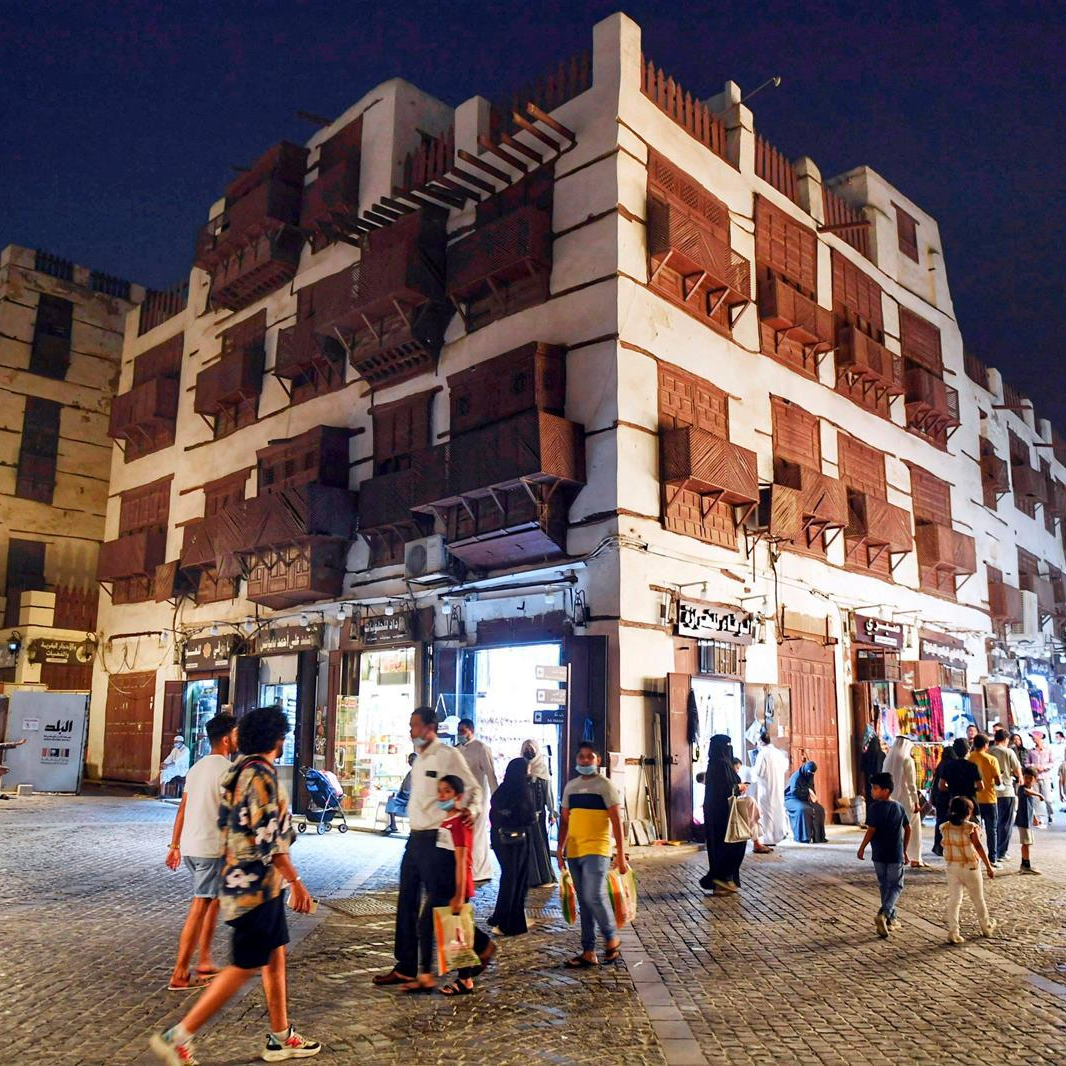
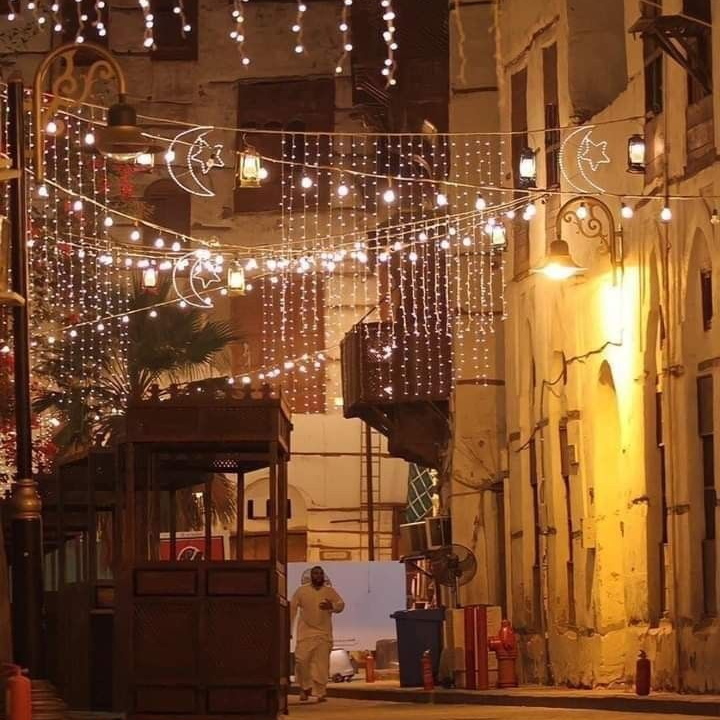
In Jeddah, Ramadan night markets stretch from heritage lanes to the sea. In Al-Balad (Historic Jeddah), seasonal kiosks called bastat fill the old streets beneath decorative rawashin and antique mashrabiyas, selling Ramadan dishes and a mix of classic and modern games. Vendors often wear traditional Jeddah dress and sing Shabi heritage songs, turning a simple stroll into a living display of local ritual and flavor.
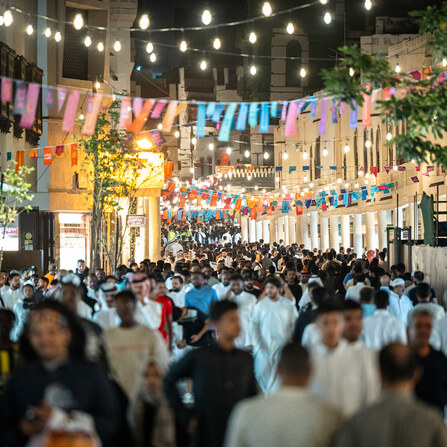
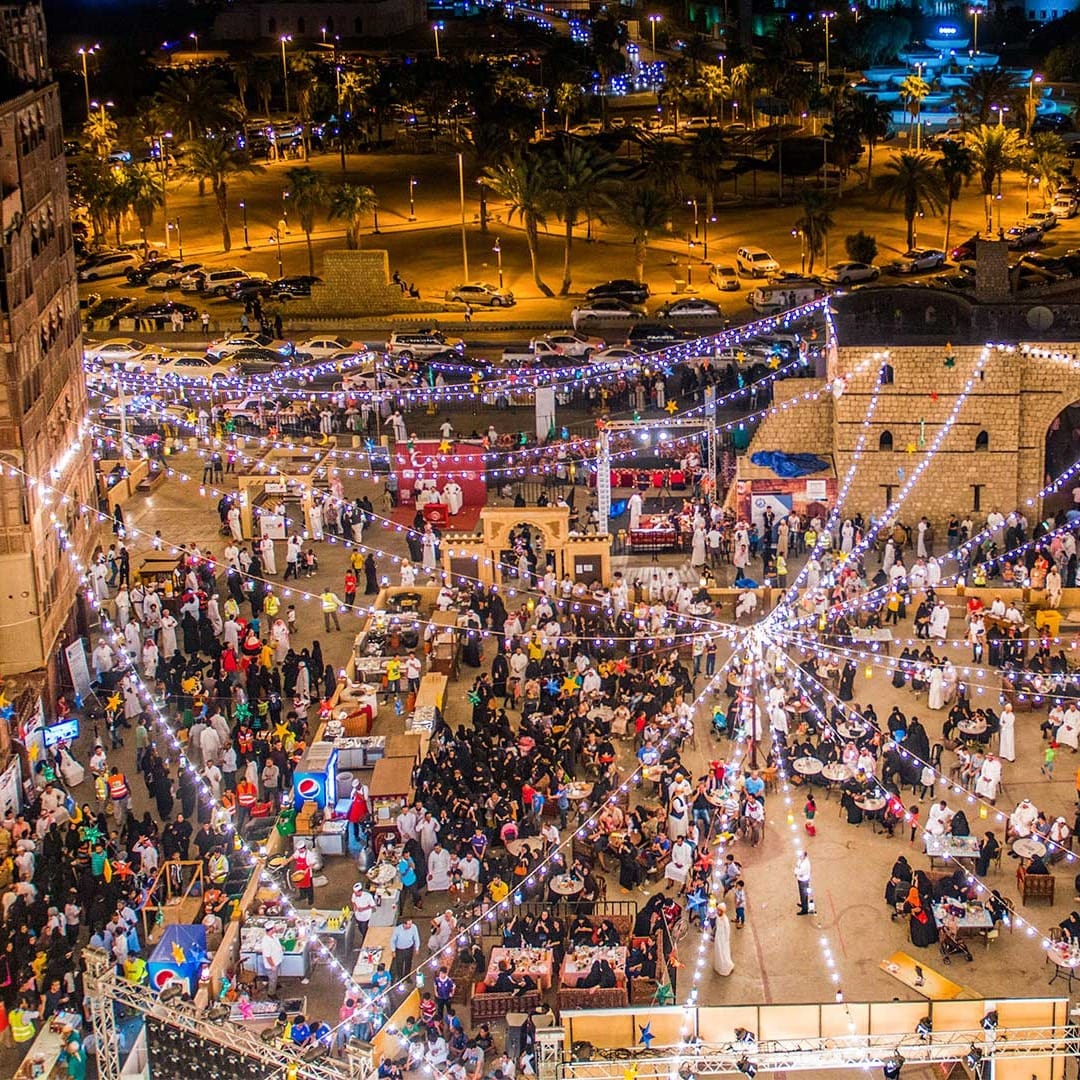
At sunset, many residents also break the fast by the water, heading to Jeddah Waterfront or nearby beaches, where seafront restaurants fill quickly. Through the month, the city adds bazaars and festival-style nights, including activities linked to the Historic Jeddah Festival, plus seasonal markets such as Ramadan Muse Bazaar and Jeddah Ramadan Nights at Al-Tayebat City (Museum of Abdul Raouf Khalil). Malls join in too, with lantern-and-crescent décor and Ramadan promotions, especially at Mall of Arabia, Red Sea Mall, Al Salam Mall, Al-Yasmine Mall, and Aziz Mall.
II. Ramadan in the Central Region: Riyadh’s Ramadan Promenades
In Riyadh, Ramadan markets often feel like curated evening promenades designed for families to move easily between coffee, food, browsing, and light entertainment, all paced around prayer times. Experiences like Layali Al-Mishraq at VIA Riyadh, KAFD Ramadan Nights, and Ramadan Nights at The Groves are promoted as immersive Ramadan nights, with dining alongside activations and a dedicated market element, giving the city a post-iftar space to gather, walk, and linger.
III. Ramadan in the Eastern Province: Dhahran, Dammam, and Al Khobar
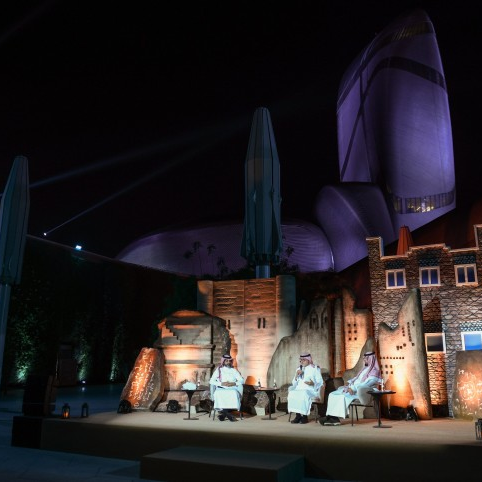
In Dhahran, King Abdulaziz Center for World Culture (Ithra) often carries Ramadan into the late hours with family programming, and it leans into a tradition the Eastern Province is especially known for: Gargee’an. Gargee’an is a mid-Ramadan children’s celebration where kids dress up, go door to door, and collect sweets and nuts while chanting folk verses, reviving a neighborhood spirit that feels both playful and deeply inherited.
Along the corniche, Al Khobar has hosted evening Ramadan gatherings at Al Khobar Square/Corniche Square, built around a stroll-friendly setup, food, and public atmosphere. And in Dammam, larger organized activations under Ramadan Season reflect how Ramadan “night market” energy is also being shaped into accessible city-wide experiences across the Kingdom.
IV. Ramadan in the Southern Regions: Aseer Region and Abha
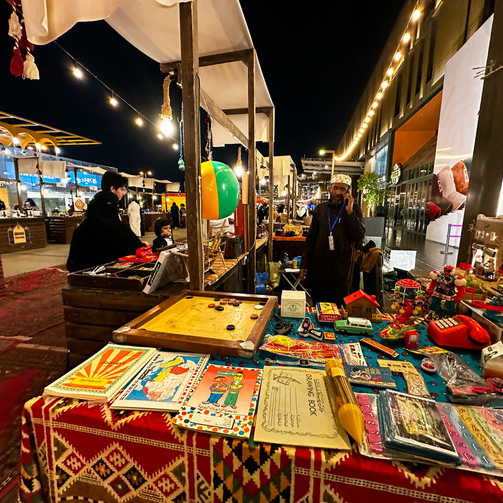
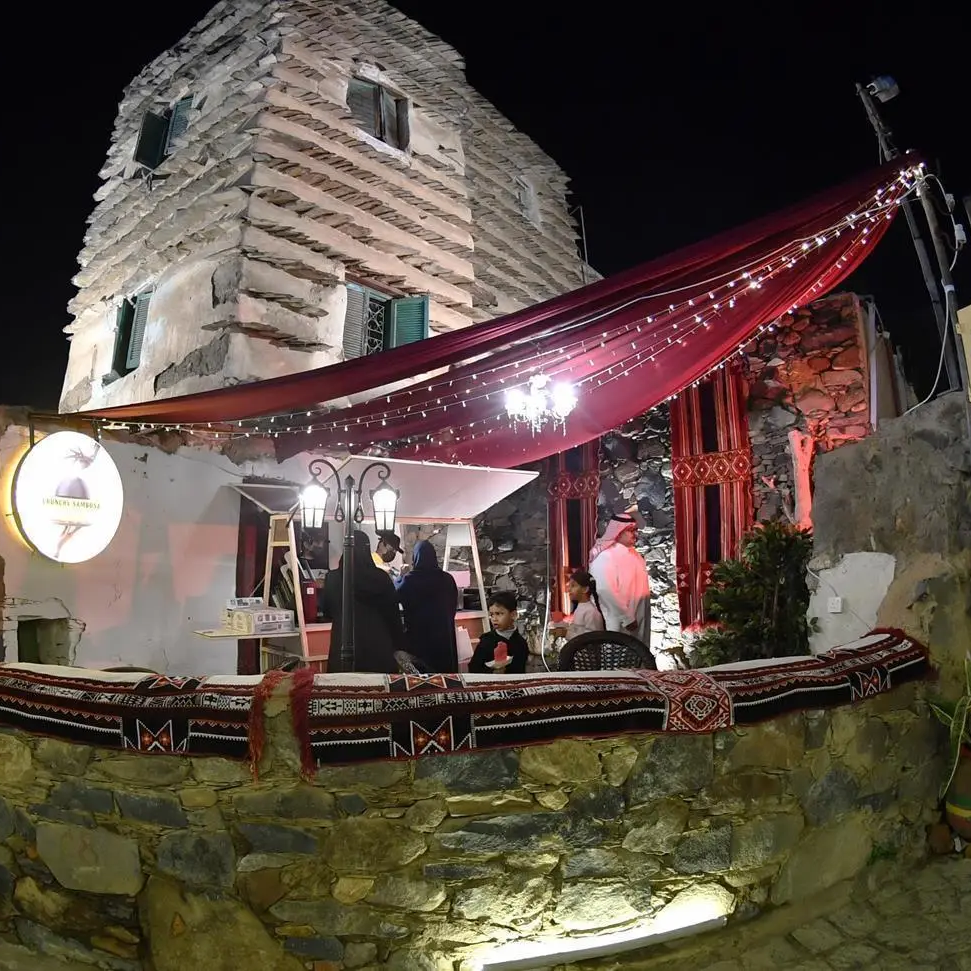
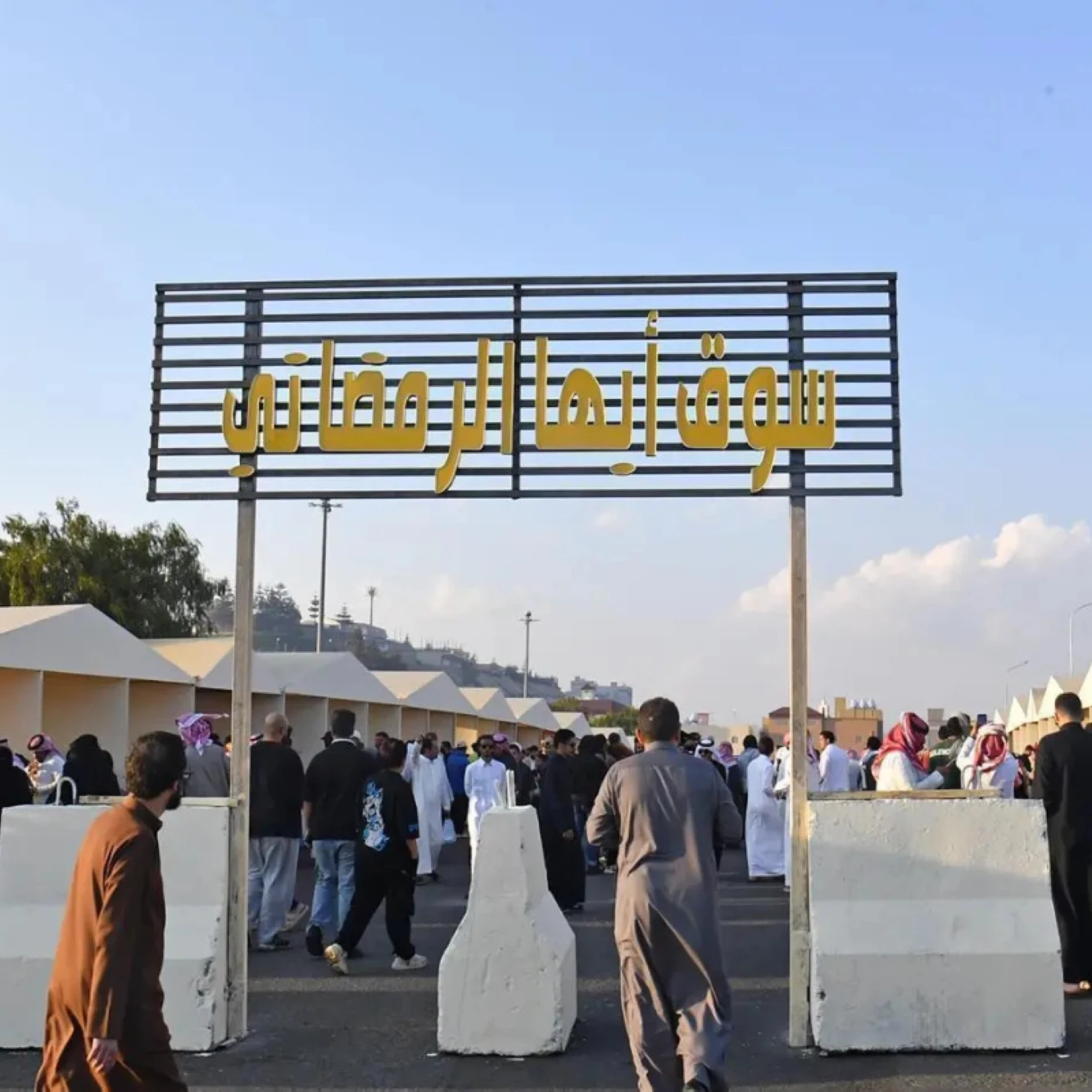
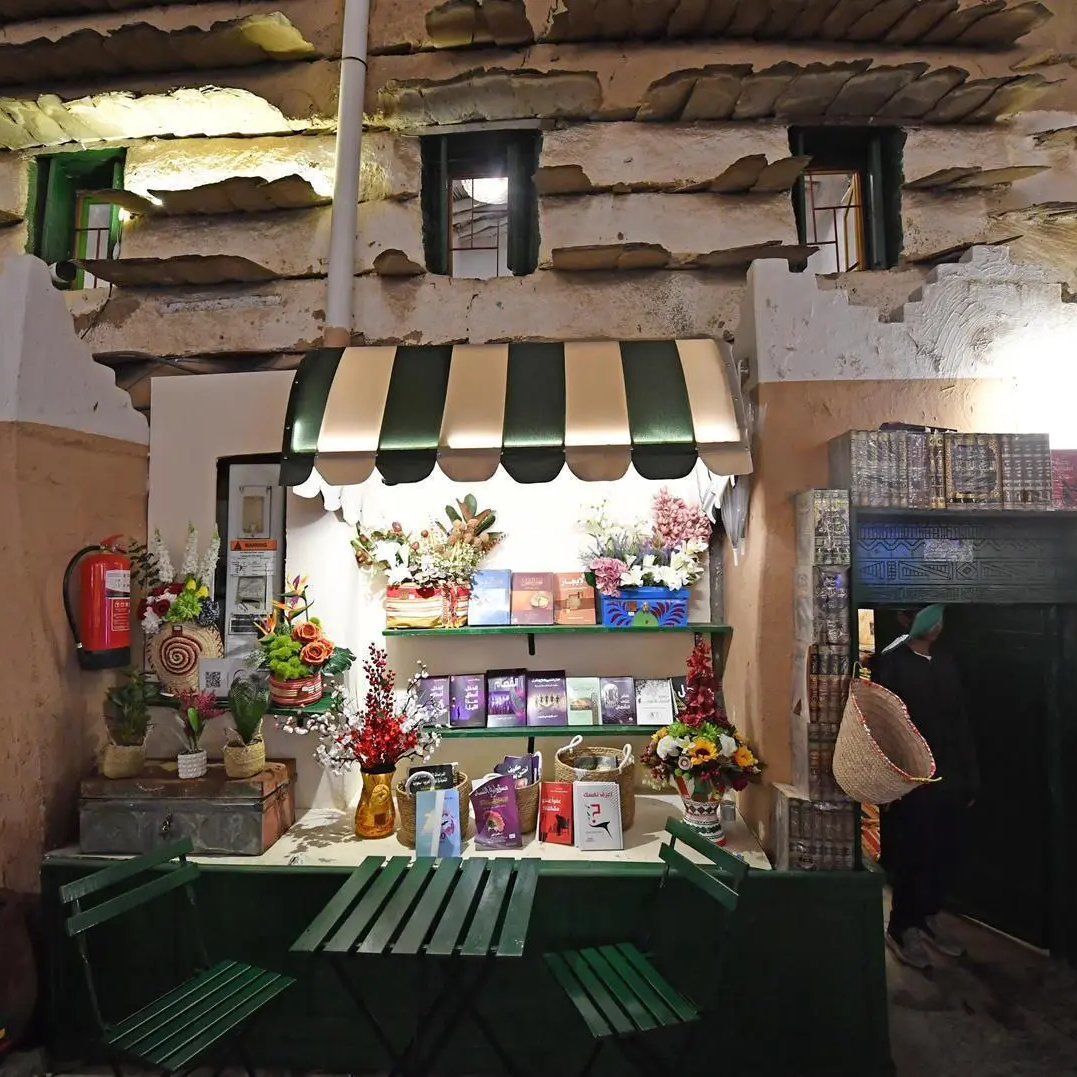
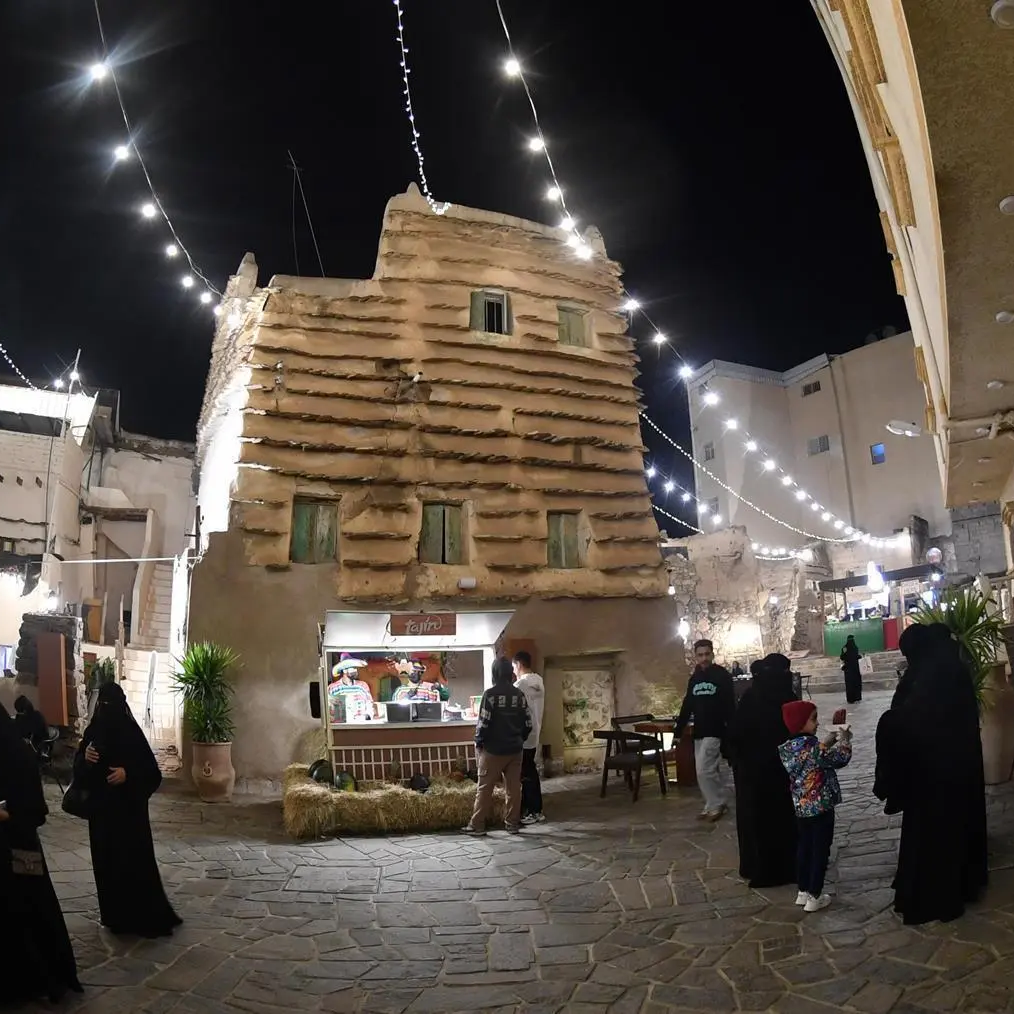
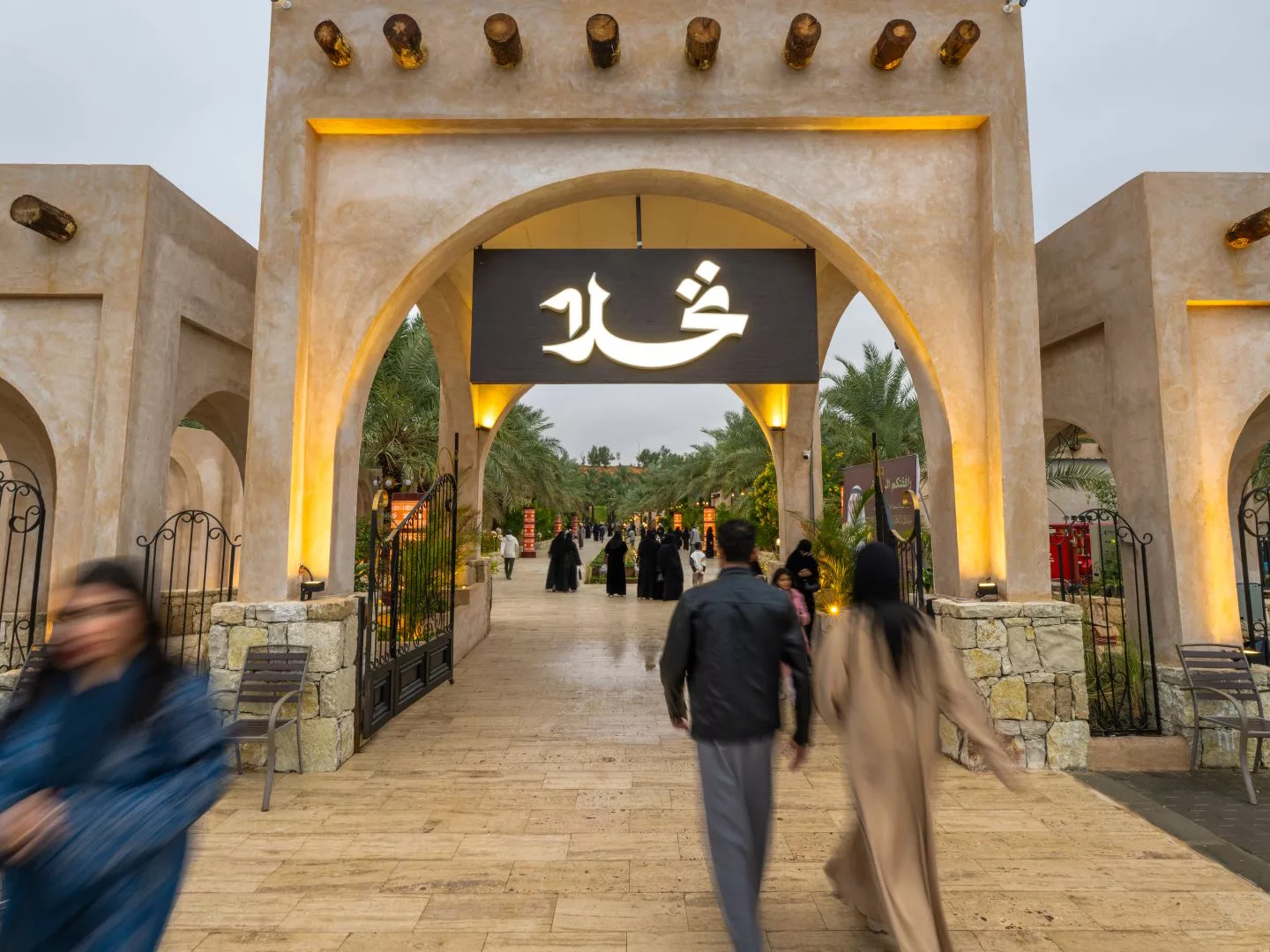
In Aseer Region, Ramadan nights often lean into heritage settings. Residents and visitors are drawn to heritage villages during Ramadan evenings where the night outing feels cultural as much as social. In Abha, Ramadan nights center on markets. Abha Ramadan Market draws families for traditional foods, local goods, and handmade crafts in a festive, decorated atmosphere. Al Muftaha District adds a heritage-and-arts night scene along Abha Valley, anchored by Souq Al Thulatha (Tuesday Market), one of Asir’s oldest souqs, known for open-air stalls and local handicrafts.
V. Ramadan in Makkah and Madinah
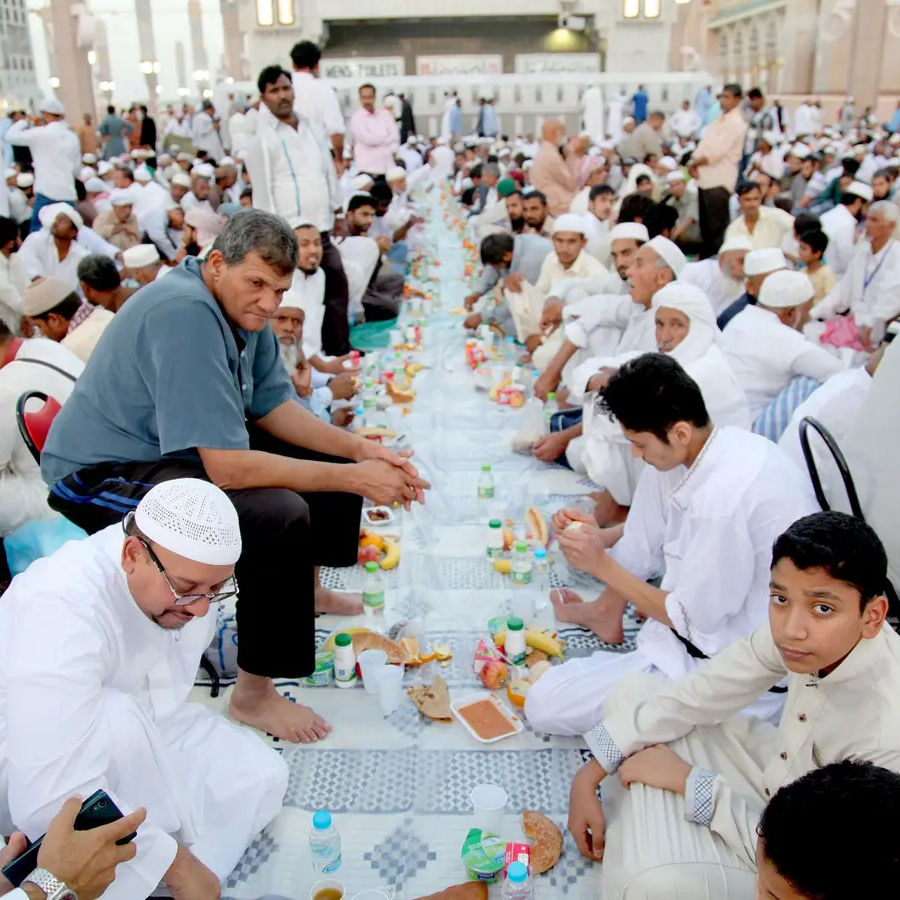
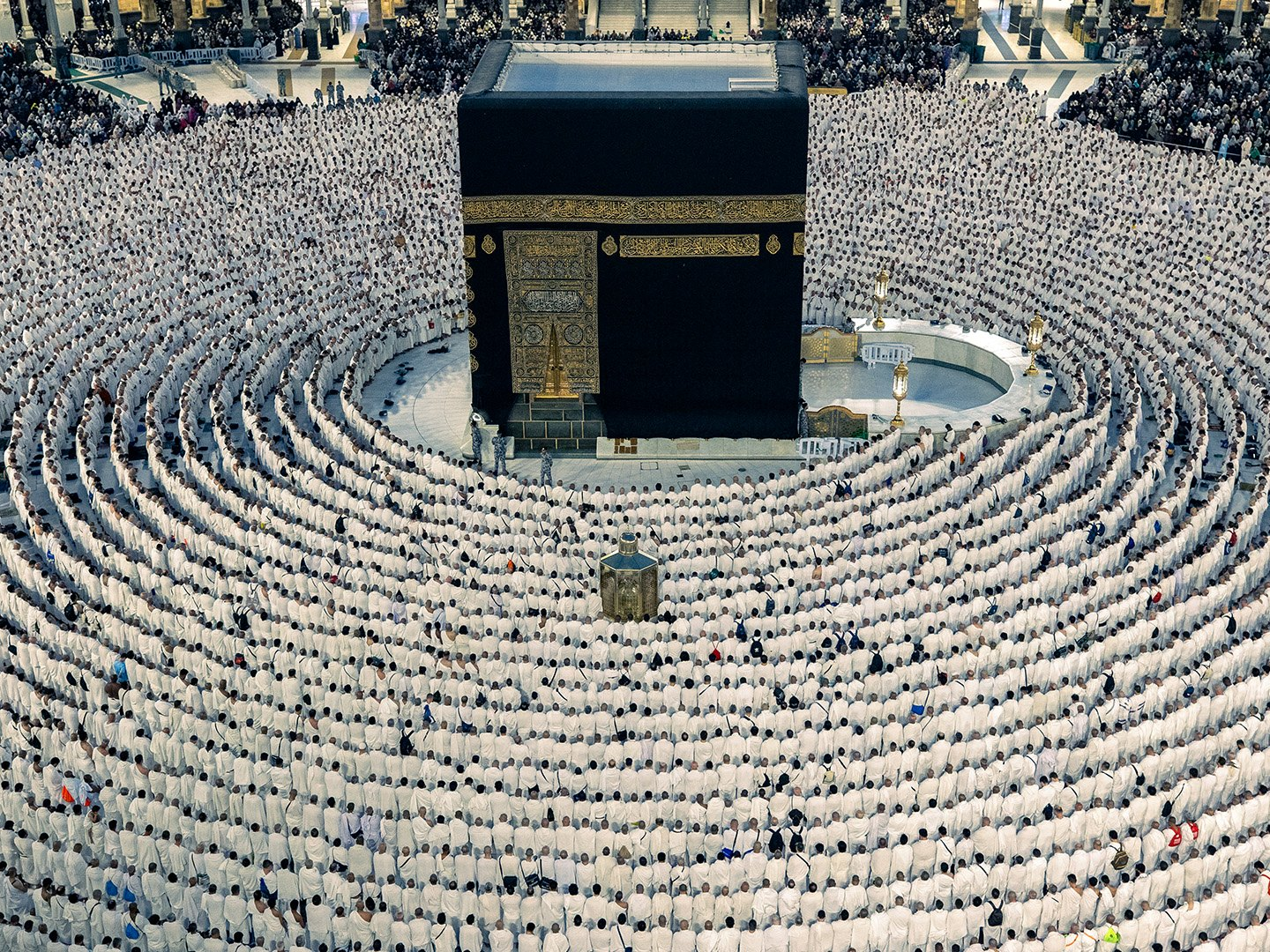
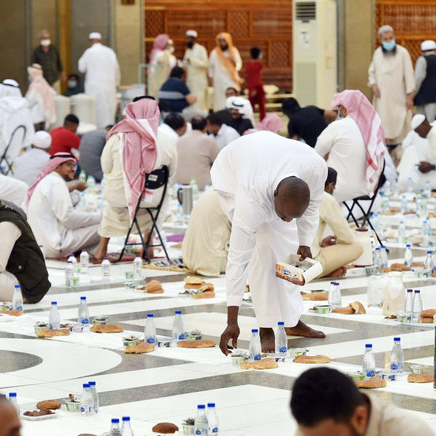
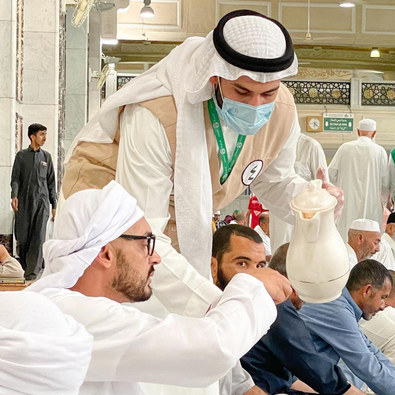
In Makkah and Madinah, Ramadan feels like worship on a grand scale. High-energy, crowded, and deeply reverent at the same time. In Masjid al-Haram, the atmosphere intensifies night after night, especially in the last ten nights, as pilgrims pack the mosque for Taraweeh and late-night prayers, and the courtyards fill with thousands breaking their fast together on dates and Zamzam water, often served by volunteers. The area around the Haram runs almost continuously through the night, with shops and streets staying busy as people move between prayer, rest, and simple meals.
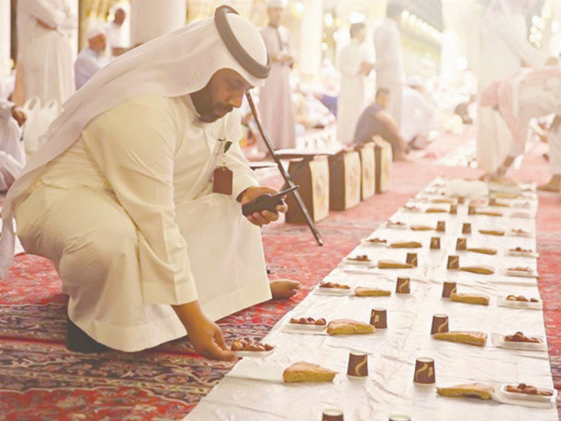
In Al-Masjid an-Nabawi, the pace is still busy but often feels calmer in spirit, more reflective and community-centered, yet the evenings still spill outward into the city. After prayer, many visitors head to Madinah’s souqs and shopping areas for gifts, abayas, perfumes, and late-night food, extending the Ramadan rhythm beyond the mosque while keeping the same respectful tone.
VI. Ramadan in AlUla: Old Town Nights and Torchlit Traditions
Ramadan in AlUla carries a quieter, heritage-first atmosphere—traditional, spiritual, and rooted in community memory. Evenings are the main stage: in the Old Town, the “Memories of Ramadan” experience brings torchlit walks and storytelling that revive how the month was lived in the past, while AlJadidah Arts District and the Old Town offer iftar and suhoor options ranging from upscale dining to casual traditional food carts. You may also catch Al Mesaharaty (the traditional drummer), join stargazing sessions, or explore workshops that celebrate local crafts and heritage. While some sites remain open during the day, AlUla’s Ramadan rhythm is designed to be felt after sunset, with select restaurants still offering daytime dining for visitors who need it.
VII. Ramadan in Al Qassim: Dates, Markets, and Peaceful Evenings
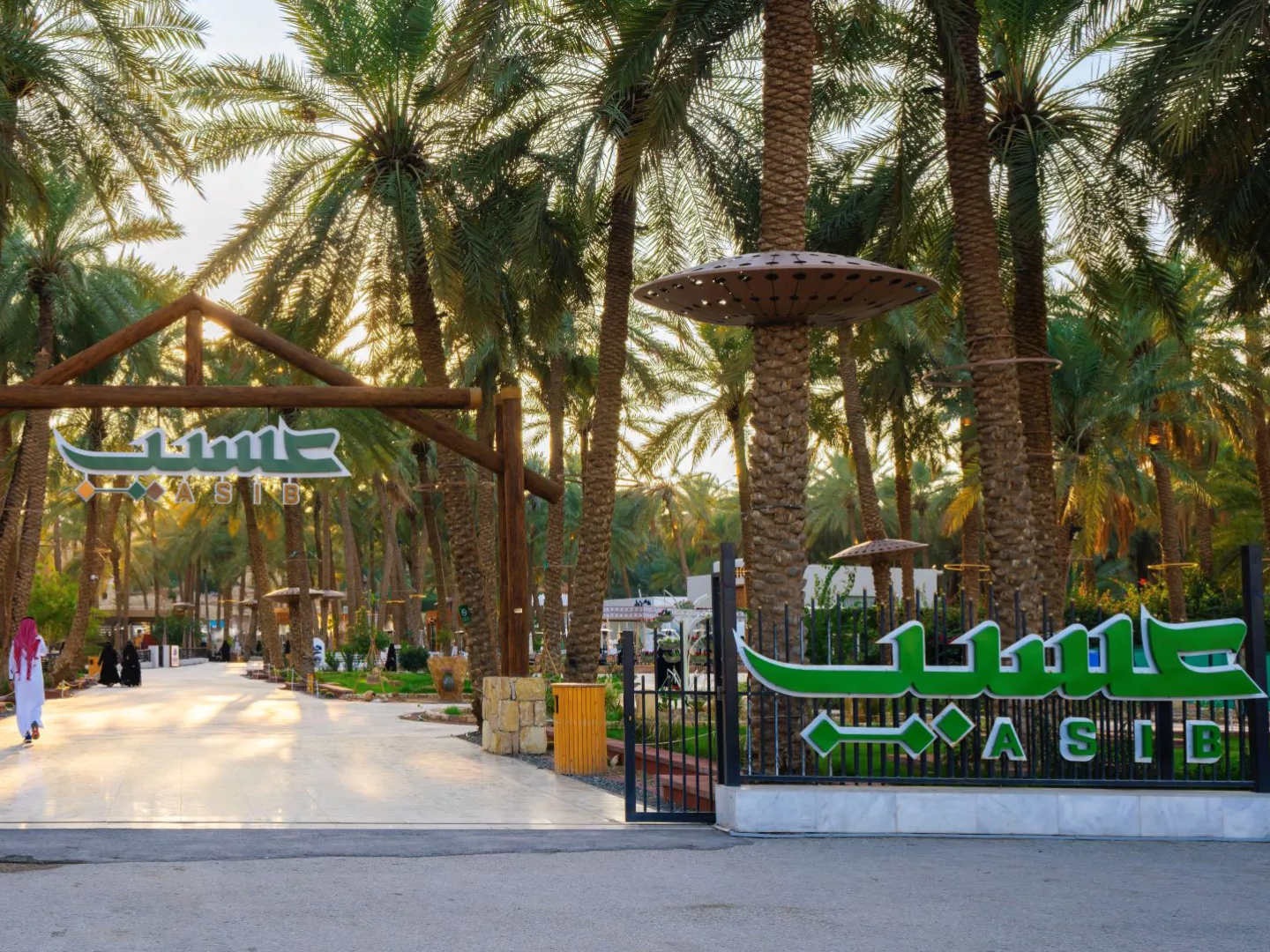
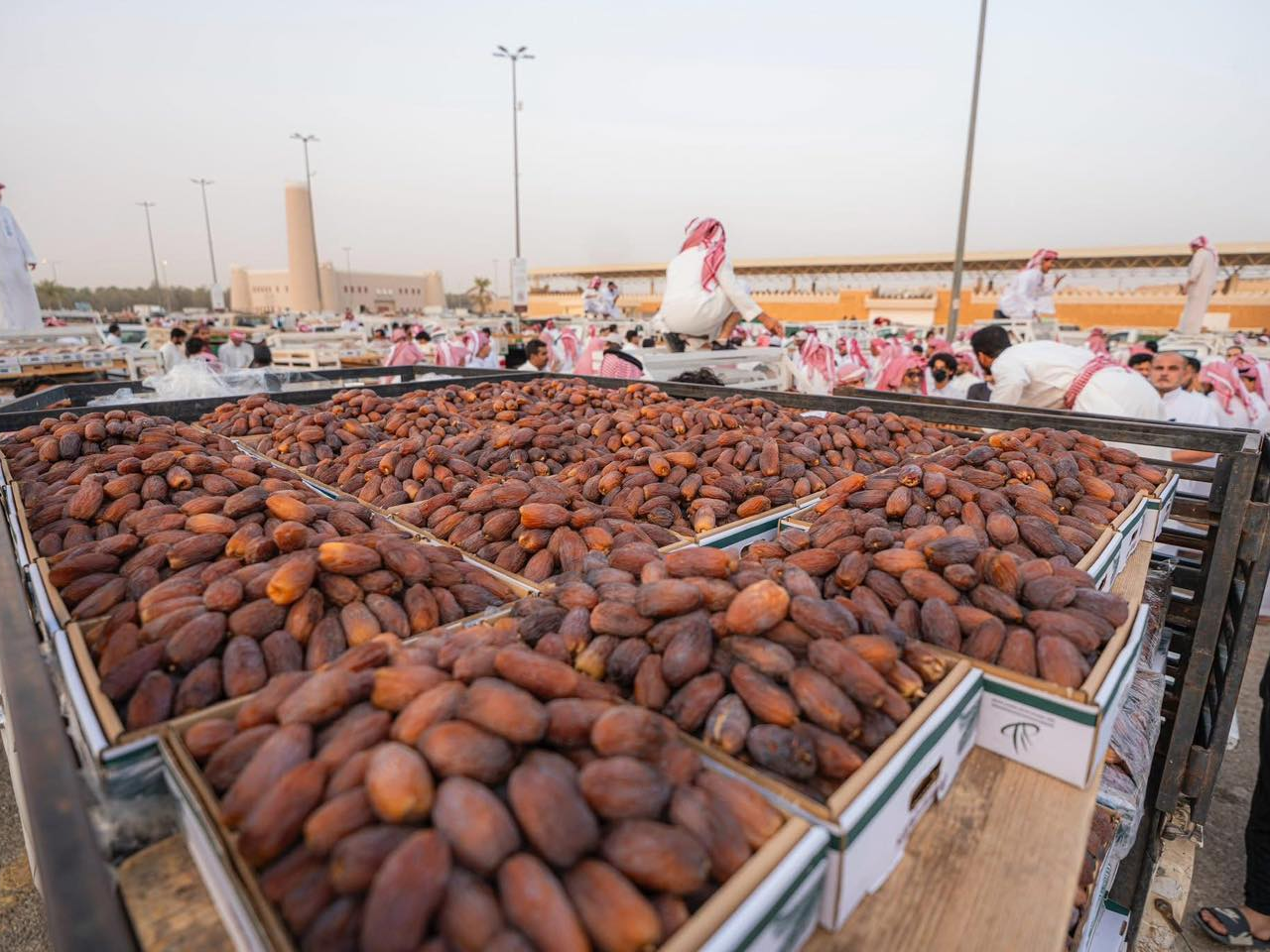
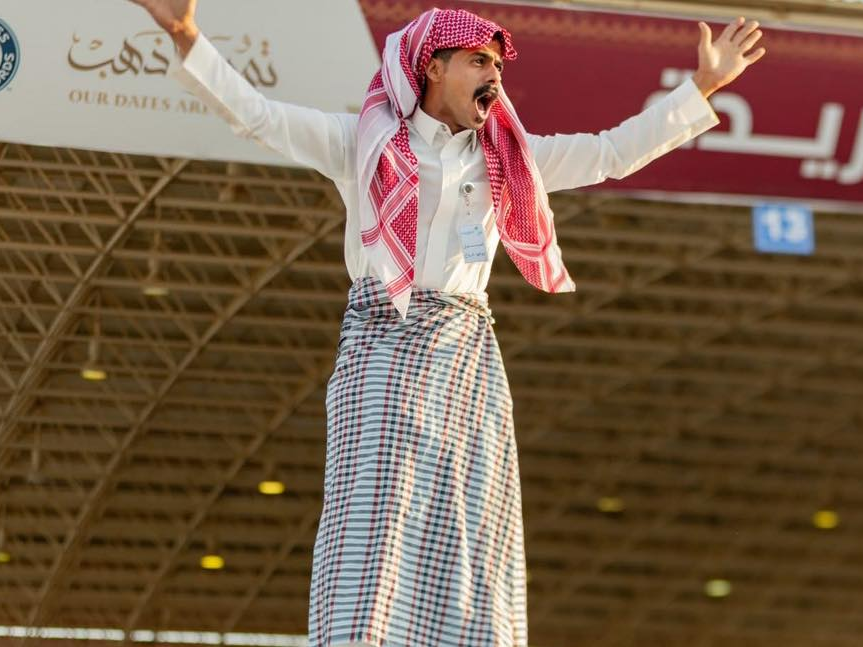
In Al Qassim, Ramadan often feels calmer and more intimate than in the big cities. Evenings carry a warm, local rhythm across the region, with Unayzah and Buraidah each hosting their own Ramadan atmosphere and localized events that reflect the community’s traditions. In Unayzah, Al Musawkaf Market comes alive at night, where traditional food stalls, handicrafts, and a lively crowd turn a simple outing into a cultural experience. As Saudi Arabia’s date heartland, Al Qassim also makes one tradition feel especially fitting: breaking the fast with premium local dates, fresh and proudly celebrated as part of everyday hospitality. Restaurants across both cities lean into the season too, with Ramadan décor, special set menus, and iftar deals that make the nights feel welcoming and easy to enjoy.
5) Then Comes Suhoor, and the Cycle Restarts
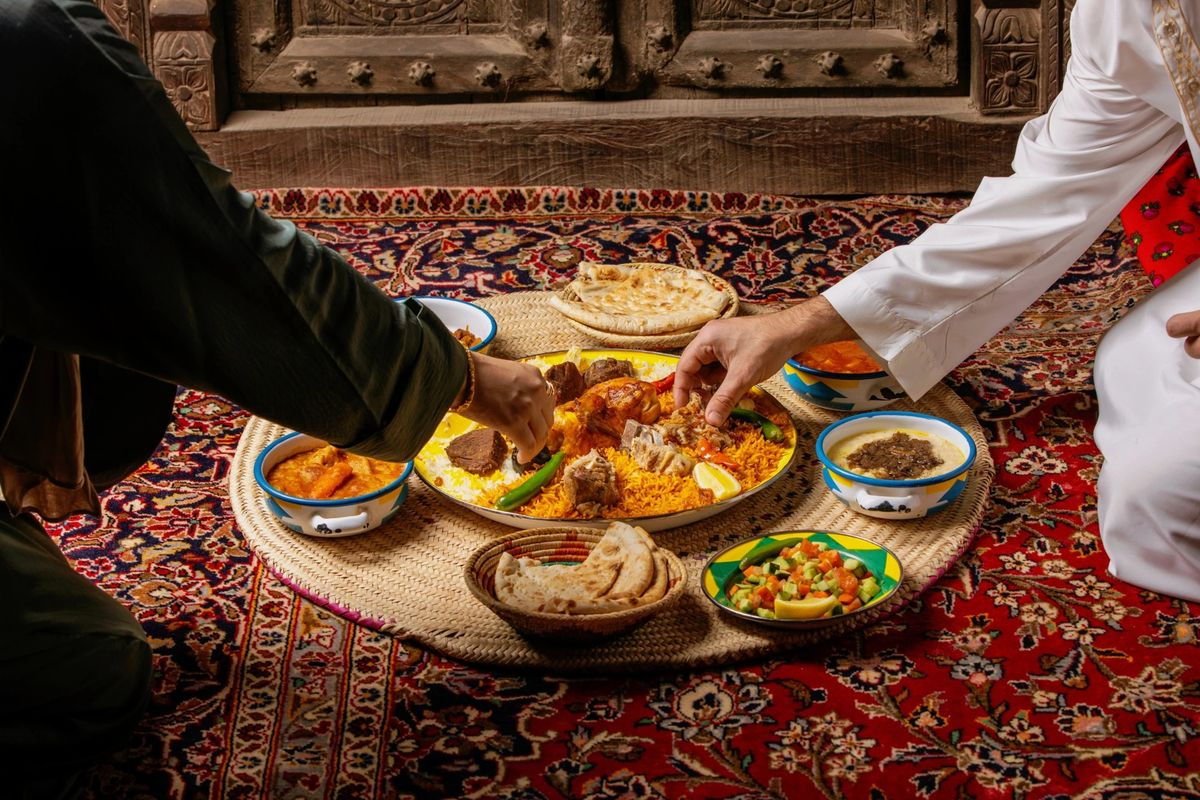
Before the fast begins again at dawn, Muslims eat suhoor, a pre-dawn meal meant to help them through the coming day of fasting. Suhoor is practical, but it also has a unique emotional tone. The world is quiet. Kitchens are softly lit. People speak in low voices. The meal often feels calmer than iftar. Less celebration, more steadiness. In Saudi Arabia, suhoor can be private in a home, but it can also be communal, especially when friends or extended families choose to eat together.
Other Parts of Ramadan Life in the Kingdom
Theres a Culture of Iftar Tents
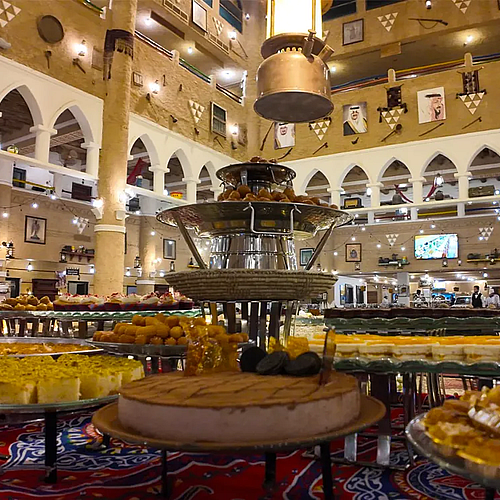
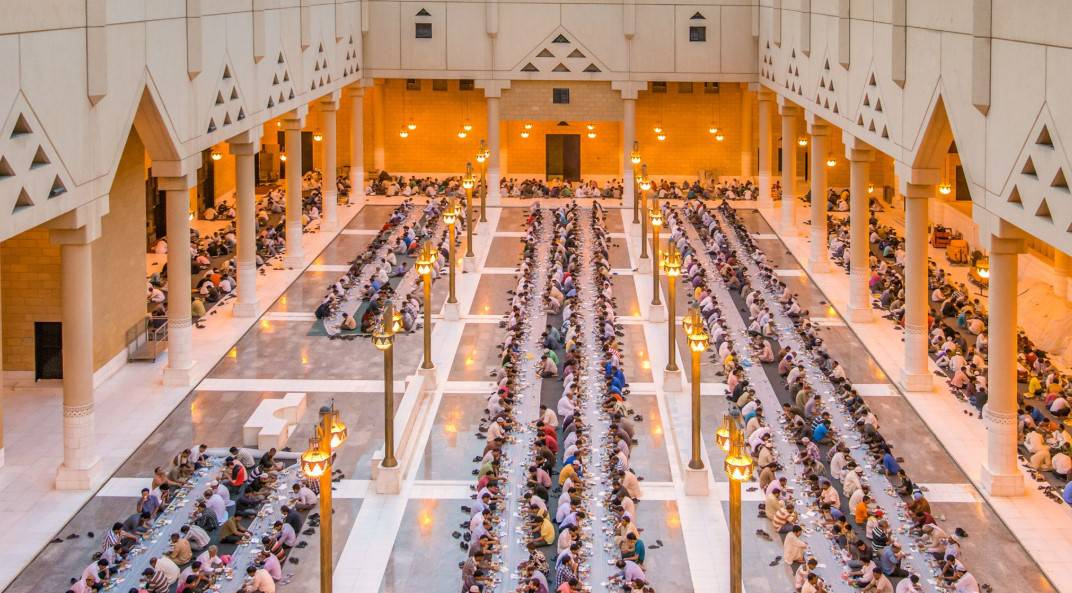
One of the clearest expressions of Ramadan culture in Saudi Arabia is the idea that no one should be left without iftar. This is why iftar is often available outside the home too. Across many cities, iftar tents appear as large community dining spaces where meals are offered, often organized by charities, local groups, or sponsors. Many operate buffet-style, designed to serve big crowds efficiently and respectfully. People sit side by side. Strangers, workers, travelers, all sharing the same simple act of breaking the fast.
The Country Feeds Together, Public Generosity
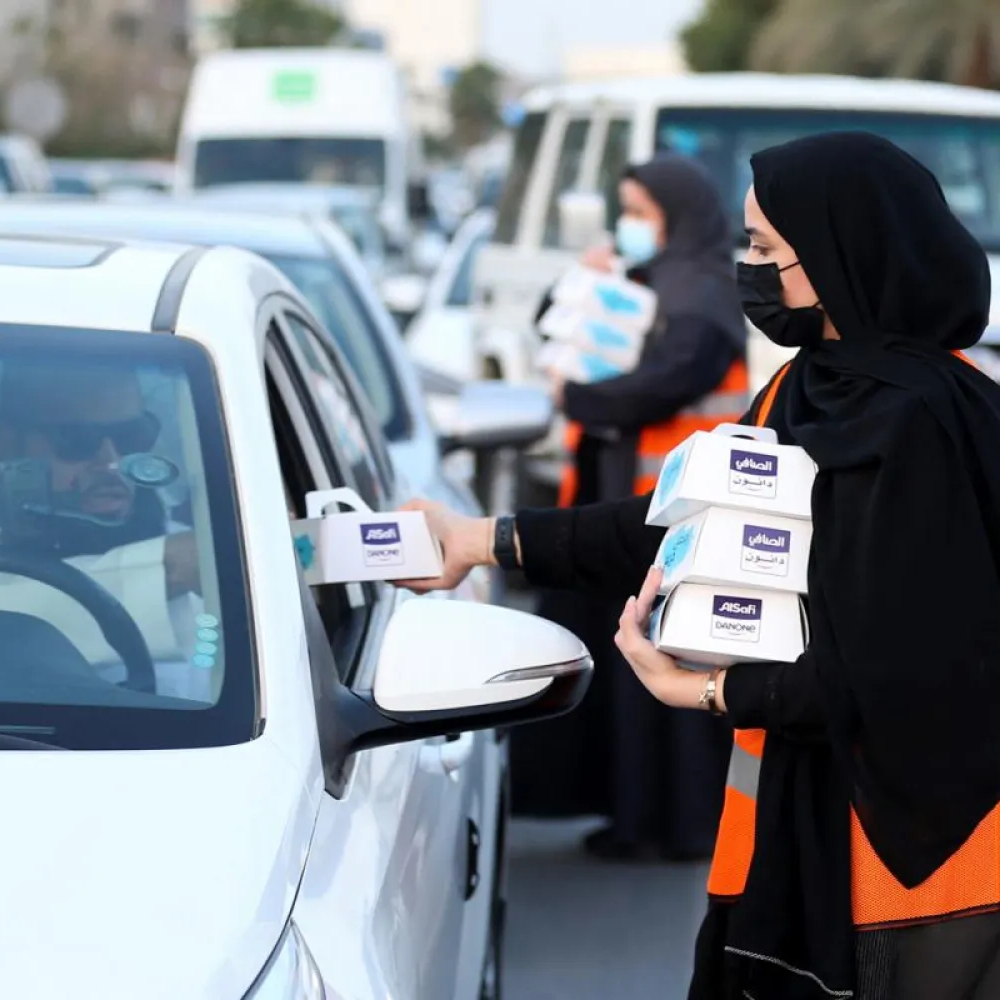
Mosques also play a major role. Many masjids offer free iftar meals, and it is common to see iftar boxes (packed meals) that can be handed quickly to someone arriving close to sunset or passing by on the road.
Food Boxes, Water, and Feeding Strangers
Charity during Ramadan is a religious value, but in Saudi Arabia it also becomes a public habit. You may see food boxes prepared for those in need, water distributed in busy areas, or people offering dates to someone they do not know, especially close to sunset.
What stands out is the tone: giving is often done quietly and quickly, without fanfare. The goal is to help without embarrassing anyone. Even small gestures like offering a bottle of water at the right moment carry the cultural message that generosity should feel natural in Ramadan, not staged.
A New Clock for Everyone
Saudi Ramadan life feels different partly because the “clock” changes. In the private sector, Saudi labor regulations reduce working hours for Muslim employees during Ramadan to a maximum of six hours per day (36 hours per week). The shift supports fasting, worship, and the late-night rhythm the month creates.
Schools adjust too. The Ministry of Education has approved revised Ramadan school schedules, including later start windows and shorter class periods, which reshapes the daytime pace for students and families alike. The result is a daylight atmosphere that feels calmer and more reserved, while evenings naturally become the main social window when people have the energy to gather, shop, and move around after sunset.
Light Everywhere
Décor, Lanterns, and the Mood of the Streets
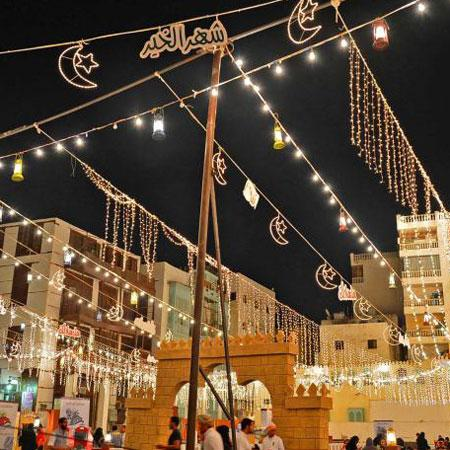
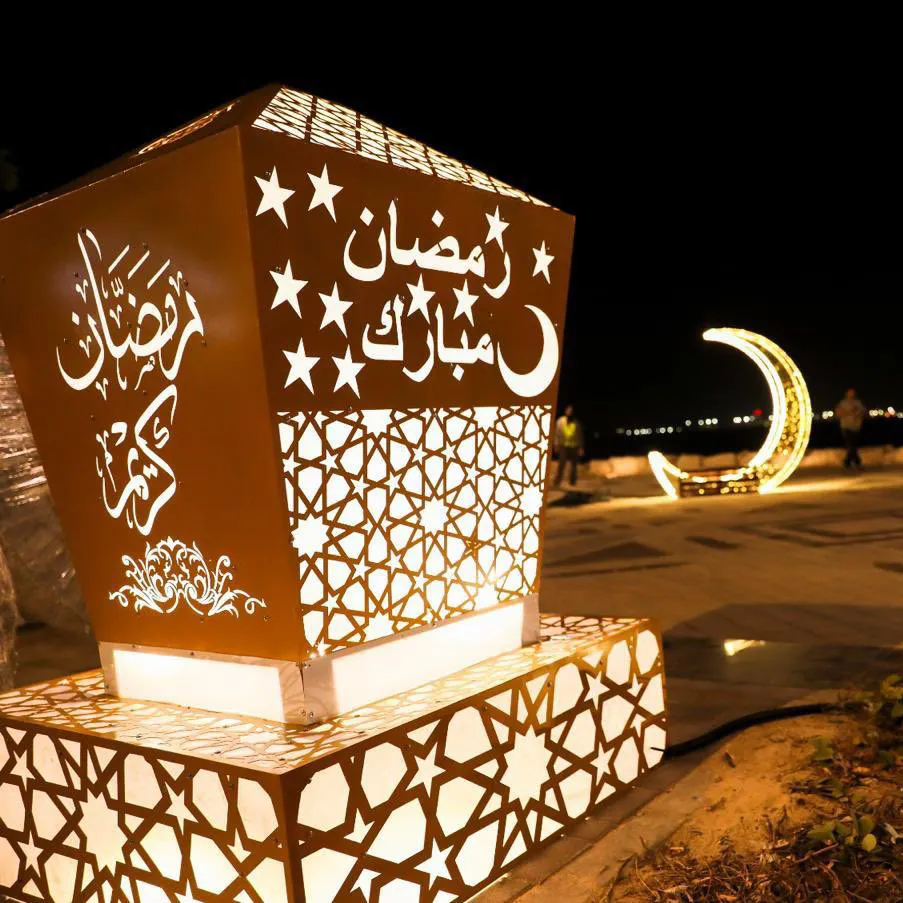
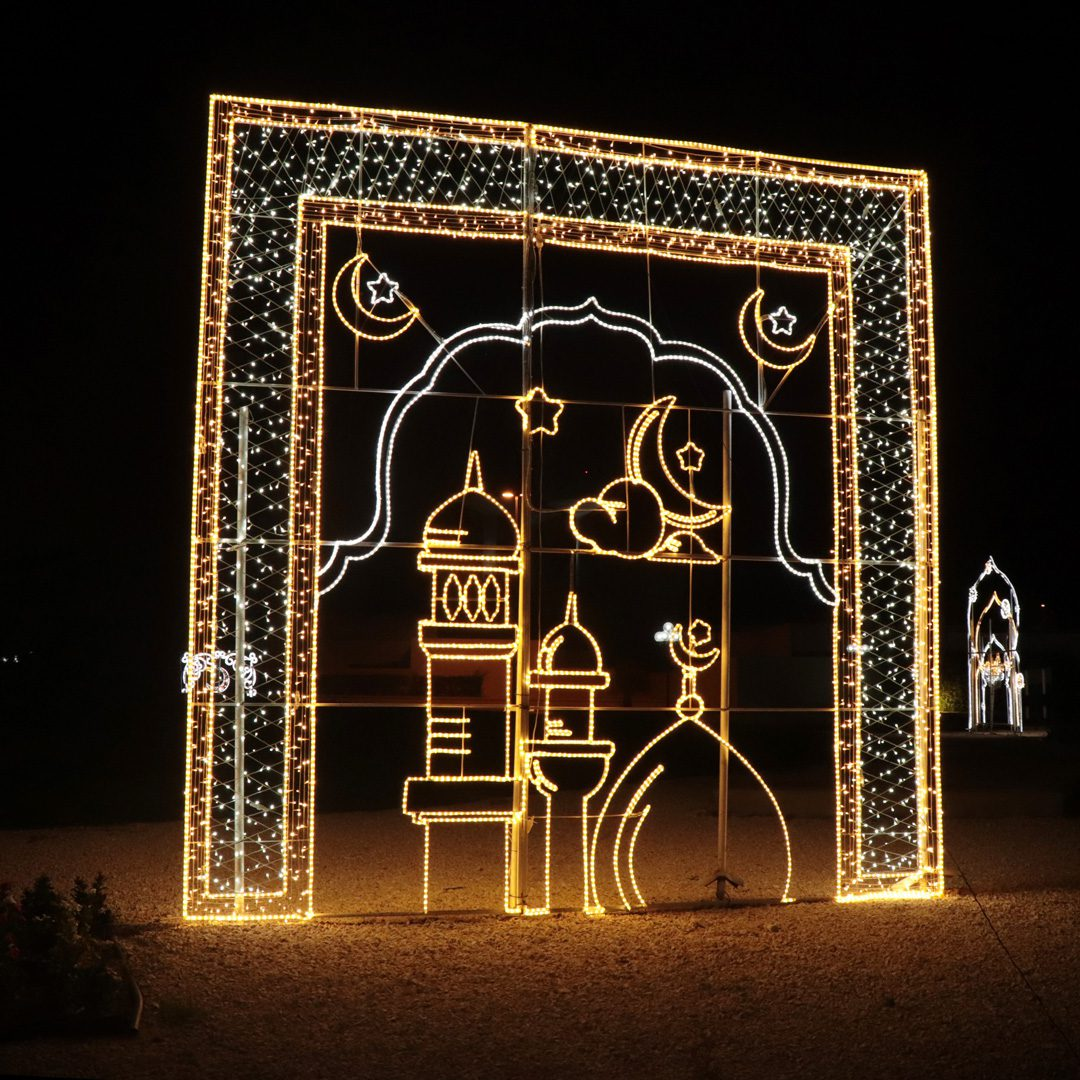
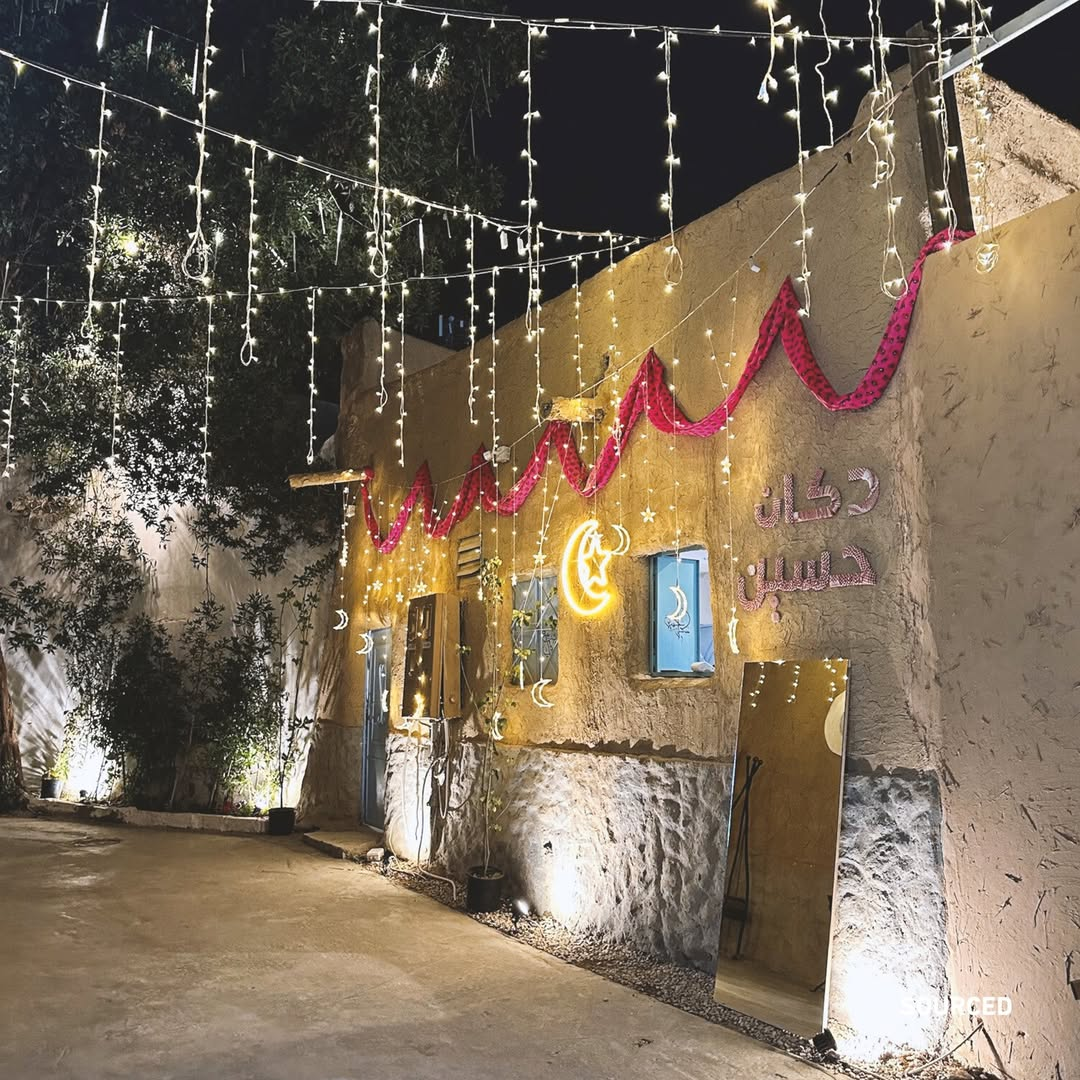
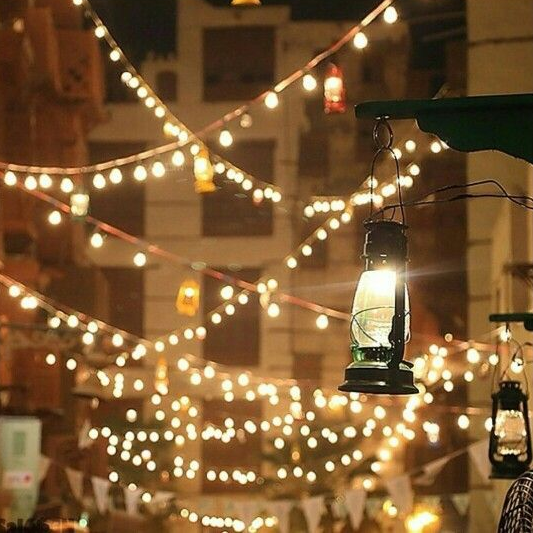
Ramadan décor is one of the month’s most visible languages. Lights appear on streets and shopfronts. Homes are decorated with lanterns and banners. Neighborhoods feel softer and warmer after sunset. These decorations do more than look festive. They create mood. They signal welcome. They make children feel the season. They help families experience the month as something shared, something that belongs to the whole city.
The Last Ten Nights of Ramadan
A Deeper Quiet, a Stronger Devotion
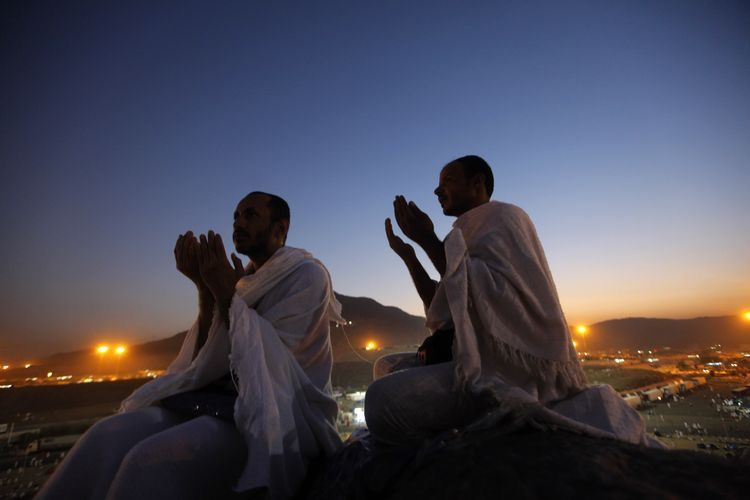
The final ten nights of Ramadan hold special spiritual significance for Muslims, so the atmosphere often shifts again. Many people reduce social outings to focus on worship and reflection. Mosques feel fuller. Nights feel more inward. This is also when many choose to perform Umrah (a pilgrimage Muslims can do at various times of the year) and naturally, Makkah and Madinah become noticeably more crowded.
Because of that, Eid shopping typically happens earlier, before these final nights. Families often prepare clothing and gifts in advance so the last stretch of Ramadan can stay spiritually focused.
Eid After Ramadan
When Gratitude Turns into Celebration
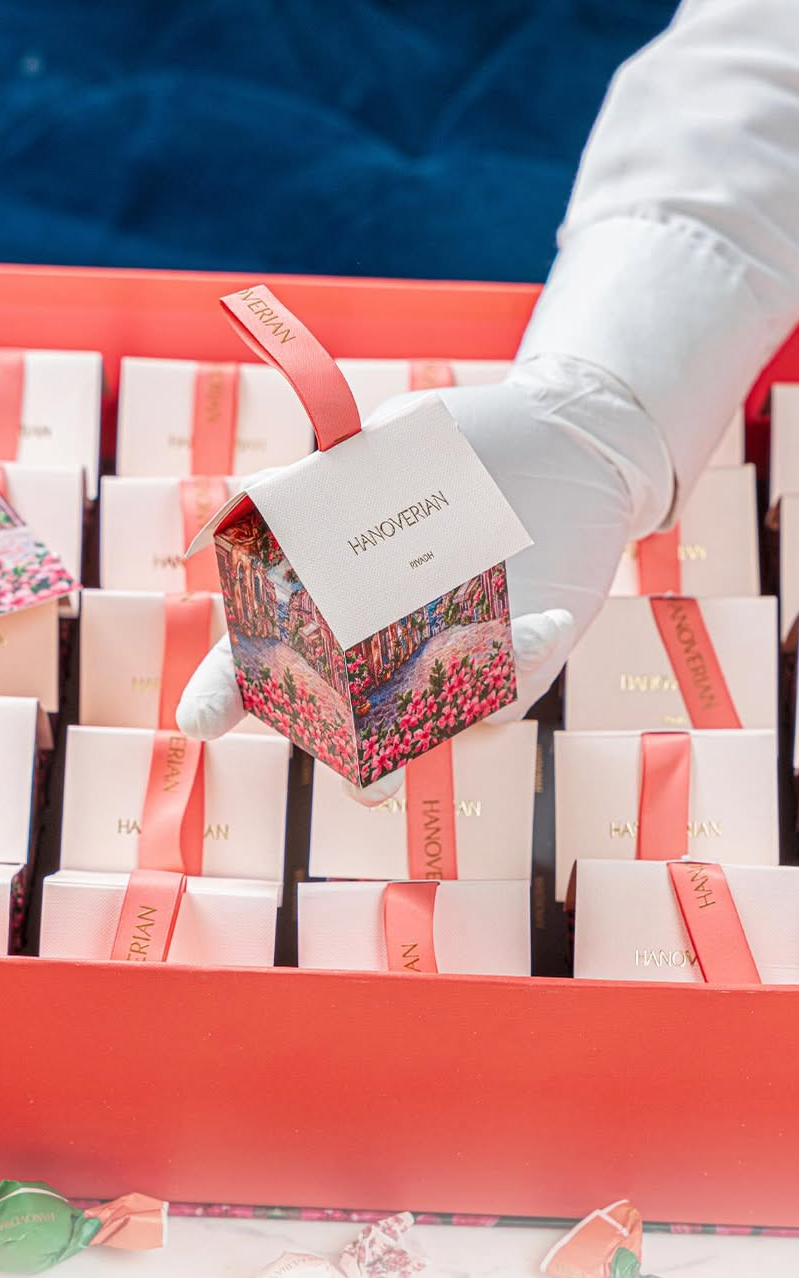
Ramadan ends with Eid al-Fitr, a major Islamic celebration that begins with a special morning prayer and continues with visits, meals, and shared joy. After a month of discipline, Eid feels like a collective exhale. In homes, the mood becomes more festive. Dress and presentation often change, especially indoors: even if women wear abayas outside, many families create a celebratory atmosphere at home through clothing, scent, and careful hosting.
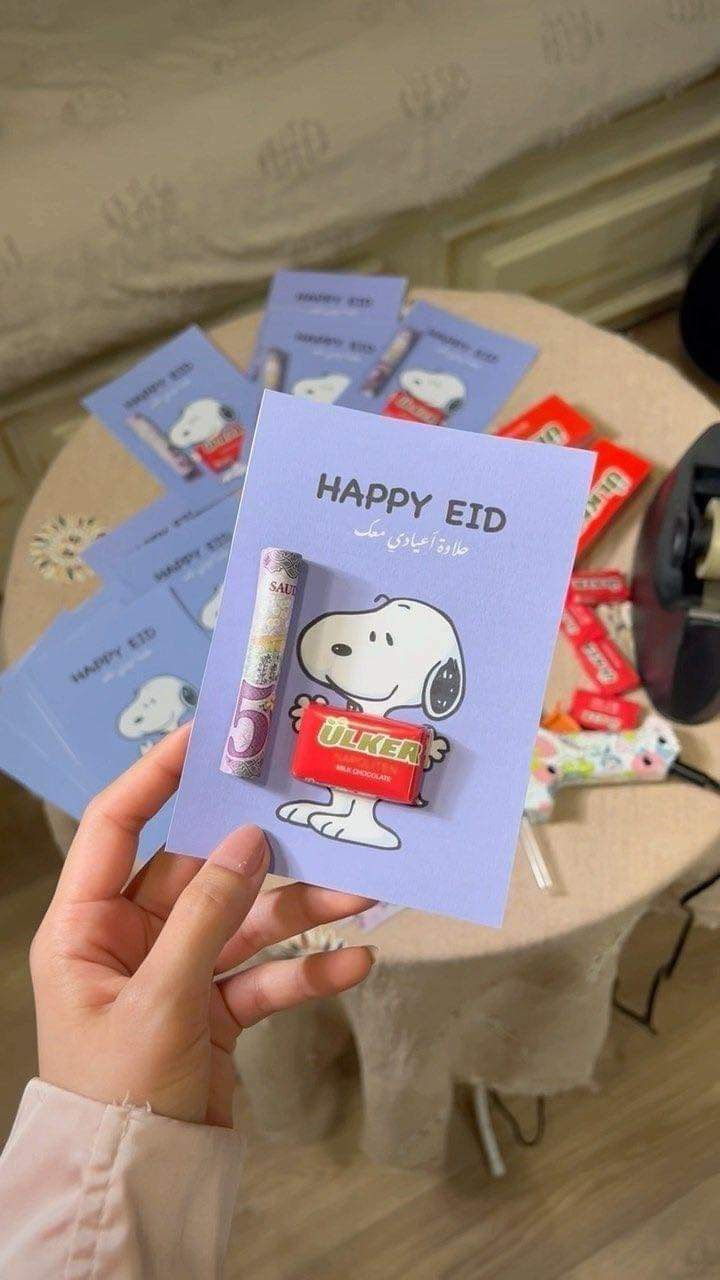
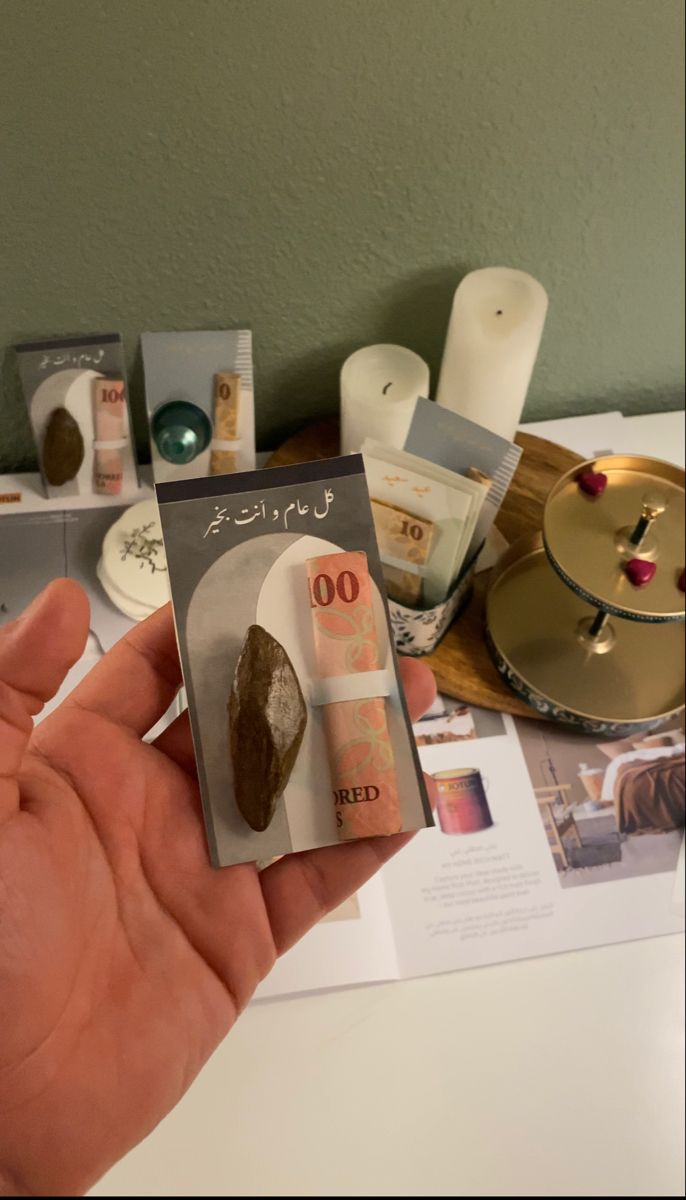
One of the most loved Eid traditions is Eidiyya, money or gifts given as a joyful Eid gesture. It is often given by elders to the younger ones. Parents and grandparents may give it to grown children, and siblings or friends may give eidiyya to one another as a sign of affection, closeness, and goodwill. It is a simple tradition, but it carries a big message: Eid joy is meant to be shared.
A Month That Returns, and a Country That Responds
Ramadan in Saudi Arabia shows a country where tradition is lived, not stored. And because each region carries its own heritage, the month never looks exactly the same from one city to another. The spirit continues through the year, until Ramadan returns again, eagerly awaited long before it arrives.
Curious for More Cultural Gems Like This?
Subscribe to Saudi Cultures for deep dives into traditions, regional stories, and voices from across the Kingdom.