
In Al Ahsa, some places do not preserve history by standing still. They preserve it by remaining useful, familiar, and full of life. Qaisariya Souq in Hofuf is one of those places. Its alleyways still pull people inward, its wooden doors still frame the old grammar of trade, and its evenings still gather families under warm light. In a region shaped by palms, water, craft, and exchange, the souq remains one of the clearest places where Al Ahsa can still be felt in its own language.
What is Qaisariya Souq?
Qaisariya Souq is one of the most important historic markets in Saudi Arabia’s Eastern Province. Located in Al-Hofuf, it was built in 1822, then later restored and improved around 1916 during the reign of King Abdulaziz. The market includes more than 422 shops and 14 gates, a scale that reflects its long-standing role as one of the central commercial spaces of Al Ahsa.
Its name carries a sense of stature. “Qaisariya” is linked to the idea of an imperial or prestigious market, which suits the place well. For generations, this was not a minor neighborhood souq. It was a market of weight, reputation, and daily necessity, where ordinary commerce and local identity met in the same space.
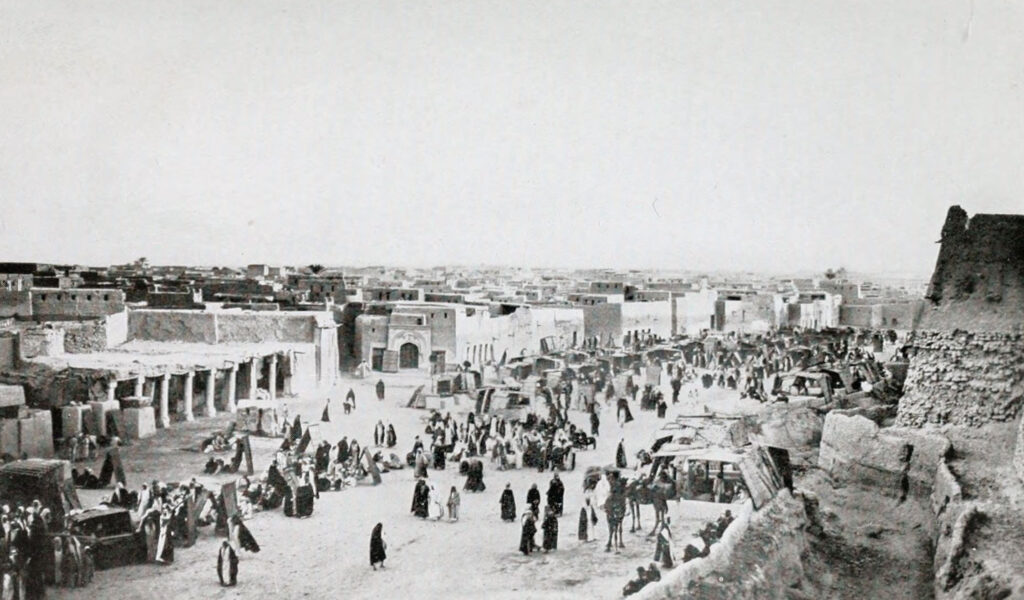
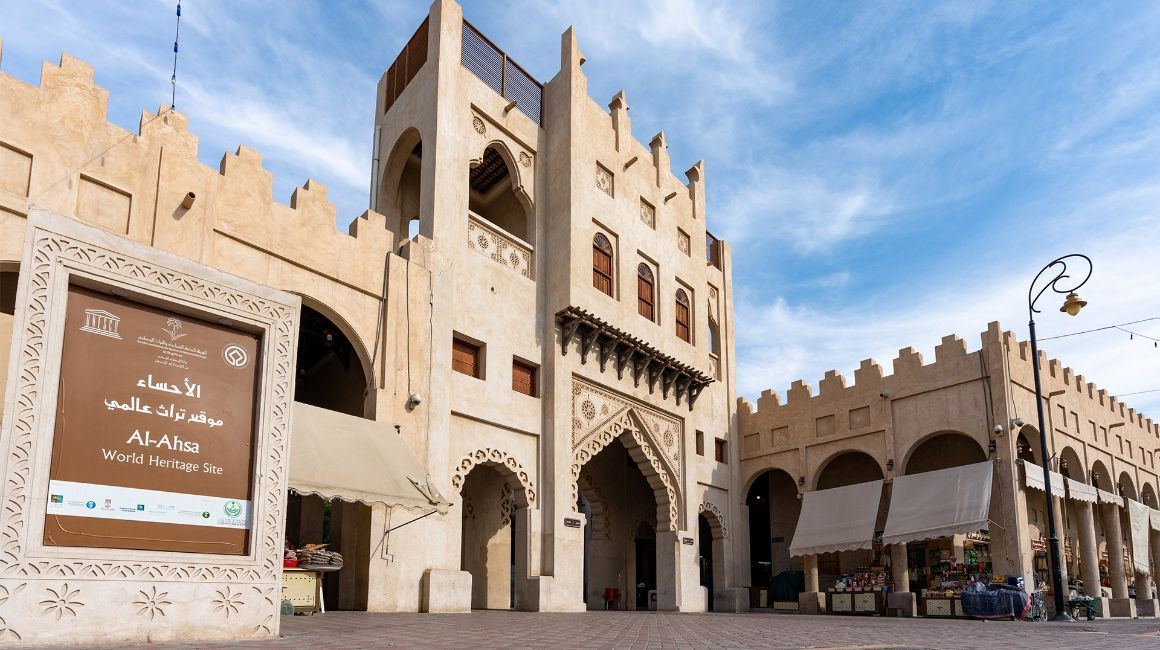
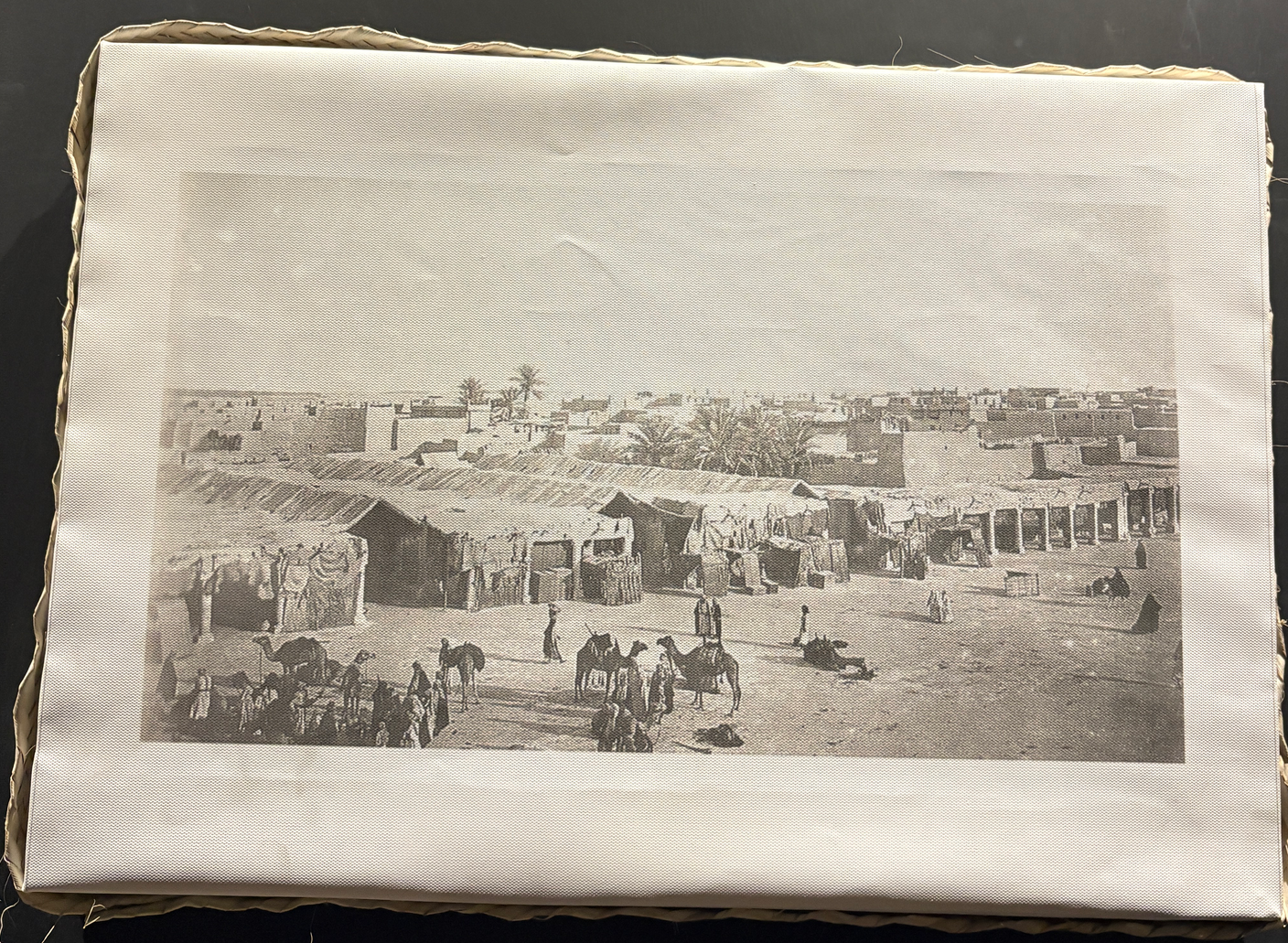
Qaisariya Souq in Al Ahsa, shown in a historic 1927 view alongside its restored present-day appearance.
A Market Born from the Oasis
Why Al Ahsa Needed a Souq Like This
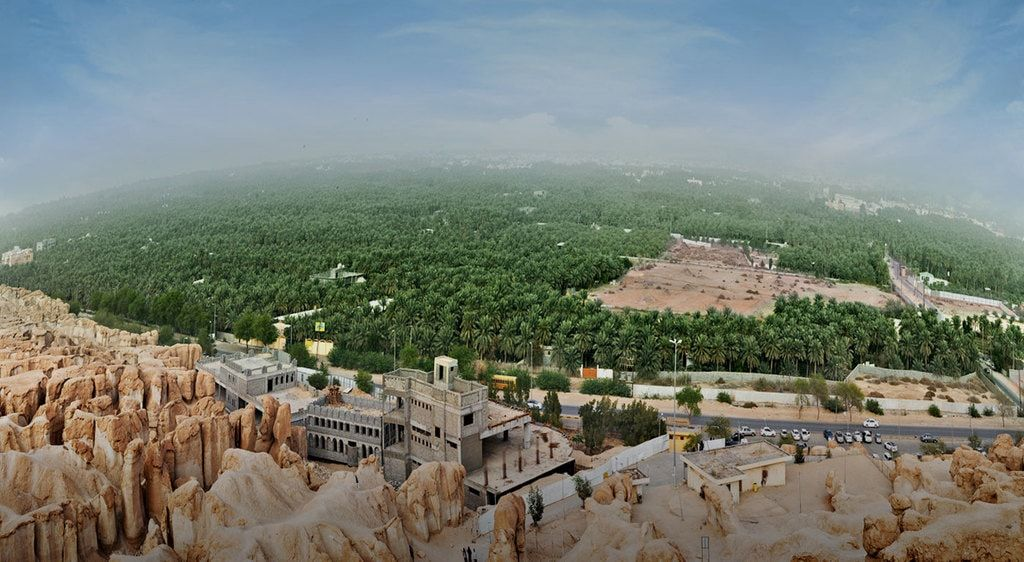
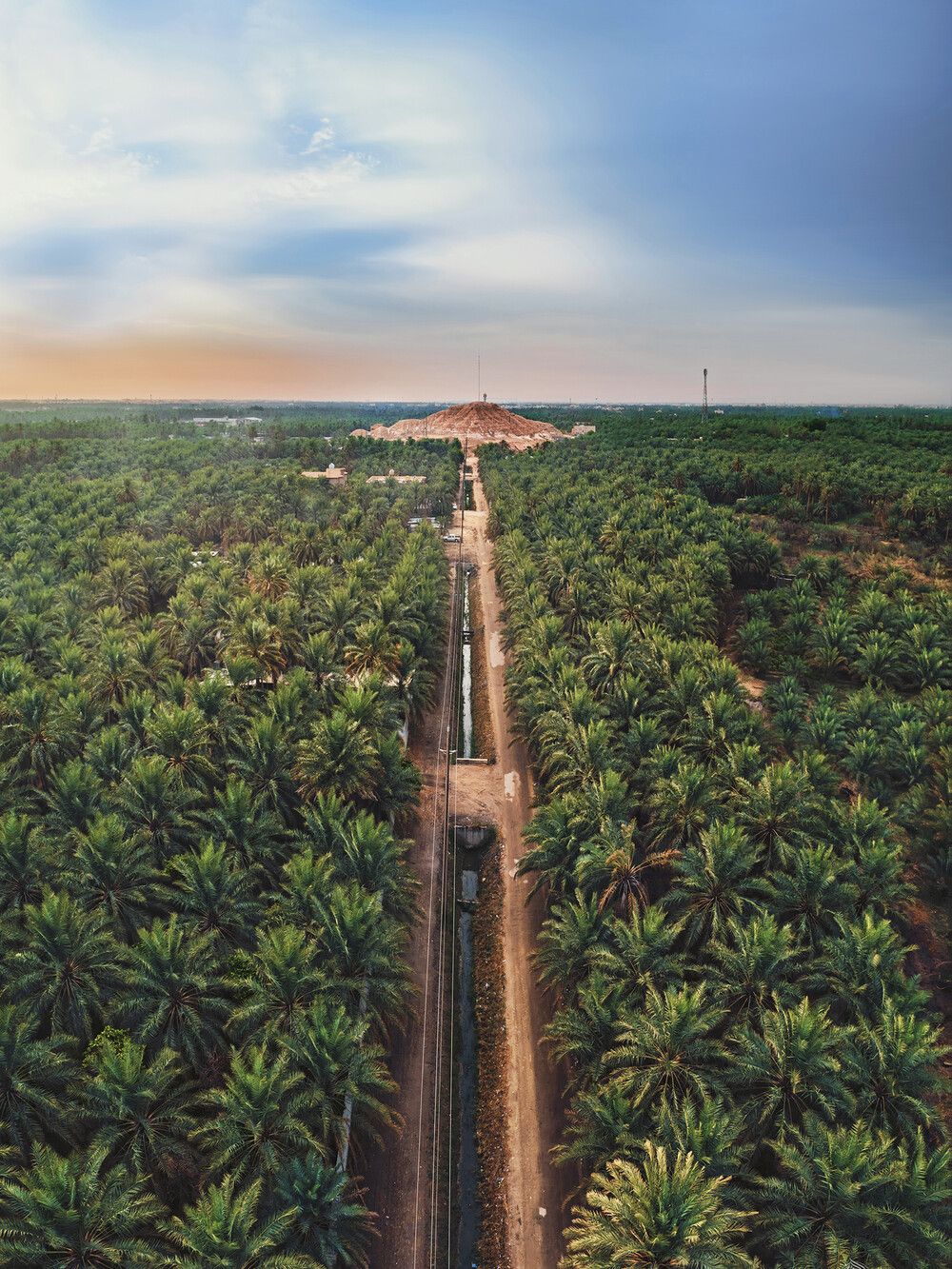
Qaisariya can only be fully understood through Al Ahsa itself. This is an oasis region whose history was shaped by water, cultivation, and continuity. Springs, canals, wells, palm groves, and settled neighborhoods created the conditions for a stable society to grow. In a place like this, a major market was not simply convenient. It was essential. It gave shape to the movement of food, textiles, tools, household goods, and craftwork within a settled and productive landscape.
Trade in Al Ahsa Was Never Only Economic
In Al Ahsa, trade was tied to the character of the oasis. Dates from the groves, woven goods, leather items, garments, coffee, spices, and tools all belonged to a wider system of life rooted in land and labor. Qaisariya grew from that system. It reflected a society where commerce was practical, but also social. Buying and selling were part of how people met, trusted, and recognized one another in public life. The market was not built over the life of Al Ahsa. It grew from it.
Fire, Loss, and the Souq’s Return
In October 2001, Qaisariya Souq faced one of the hardest moments in its long history. A major fire broke out in the early morning inside one of the shops and quickly spread across the market, consuming around 200 shops and sparing only a few. The speed of the fire was made worse by the souq’s wooden roofing and the nature of the goods inside many stores, including cotton, perfumes, and other flammable items. Because the fire began at an hour when few workers were present, it was not reported immediately, and by the time help arrived, much of the market was already in danger.
Its restoration, then, was never simply a construction project. It was an act of cultural return. The aim was not to replace the souq with a modern commercial alternative, but to bring back its traditional spirit, its architectural language, and its place in the life of the community. That choice reflects something essential in Saudi Arabia’s approach to heritage today: places like Qaisariya are not preserved only because they are old, but because they continue to carry the identity of the people who belong to them. When the souq reopened, it did not come back as an imitation of what had been lost. It came back as Al Ahsa recognizing part of itself again.
The Small Shops and the Human Scale of the Souq
Why the Shops Were Built So Close Together
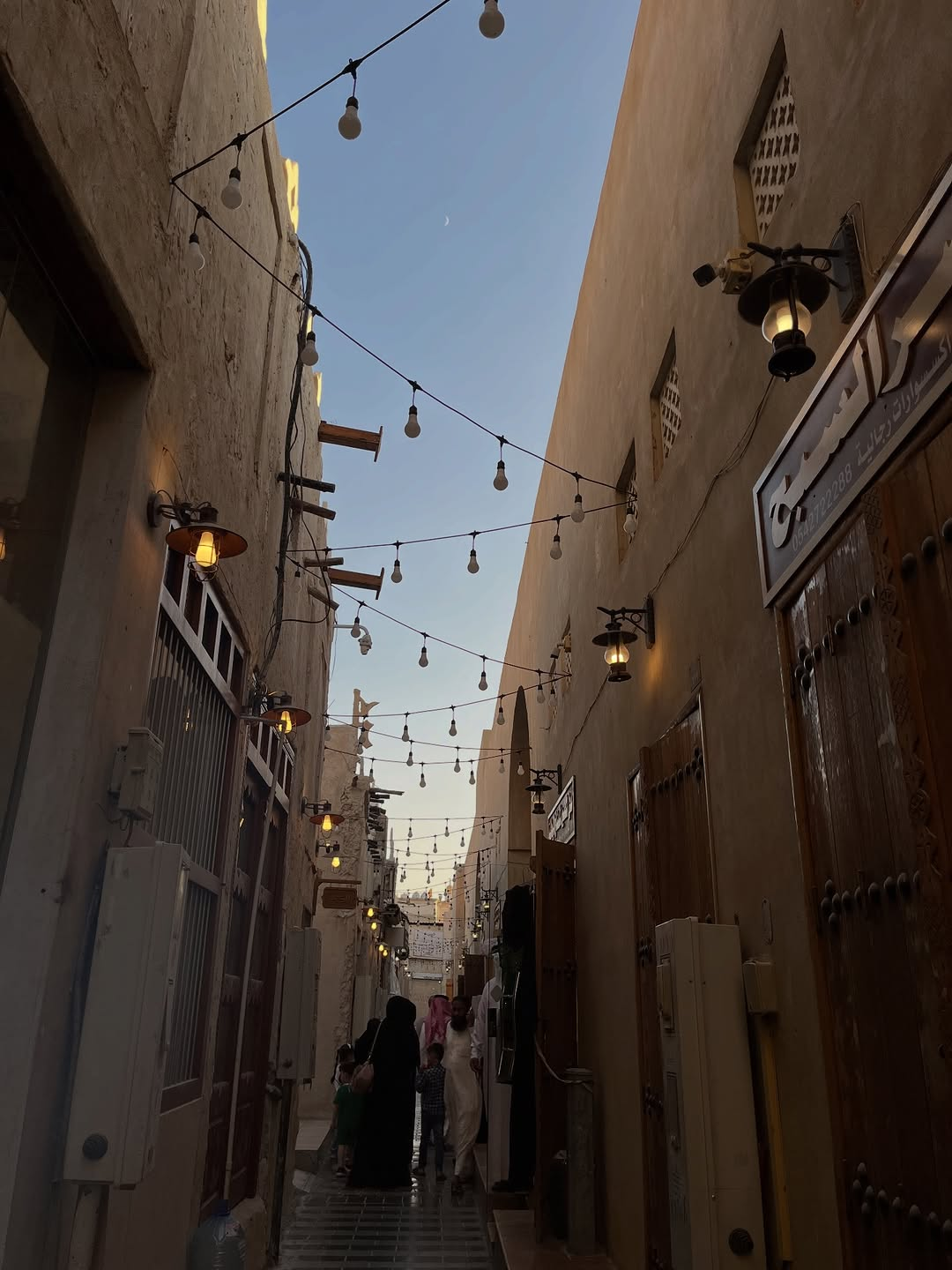
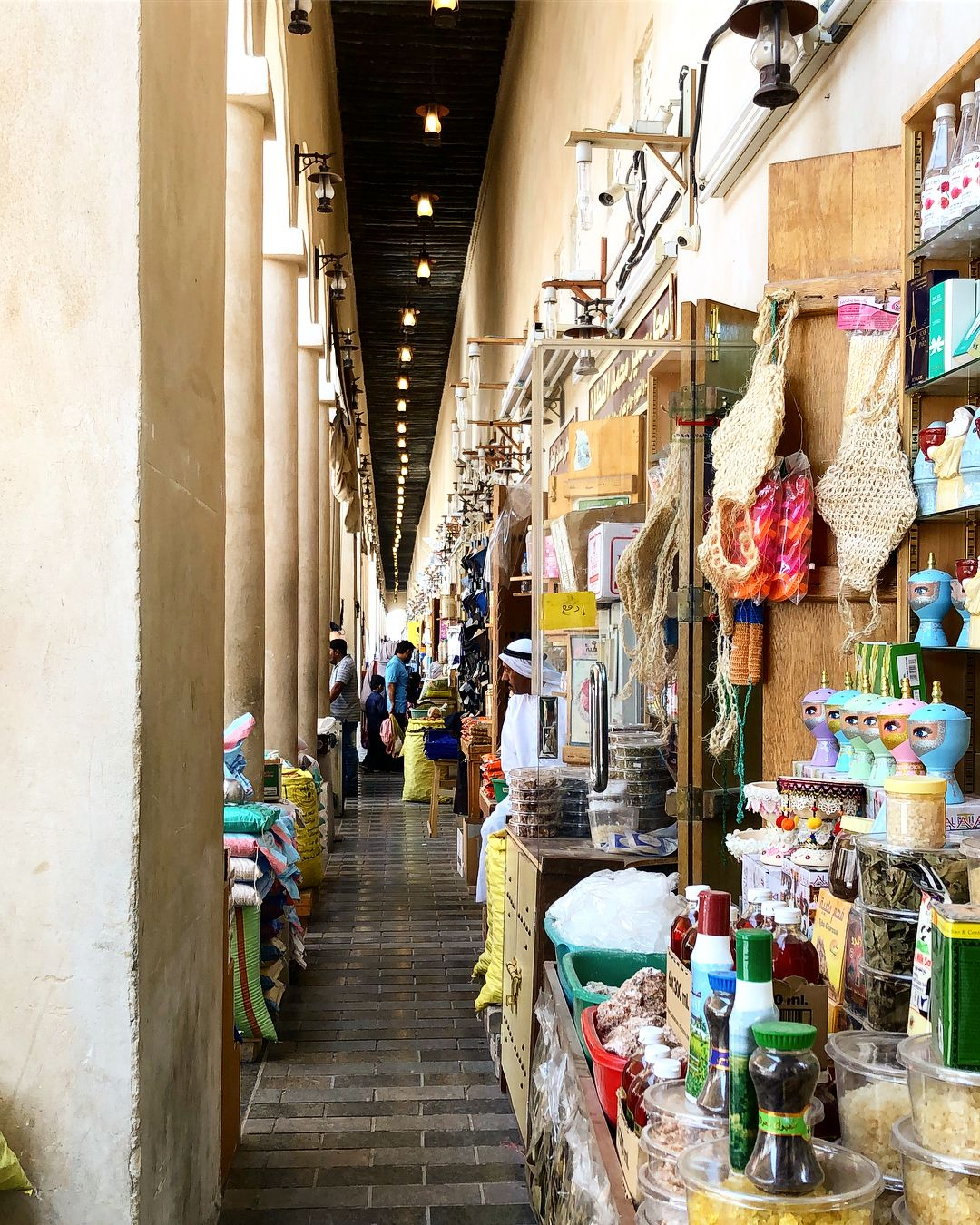
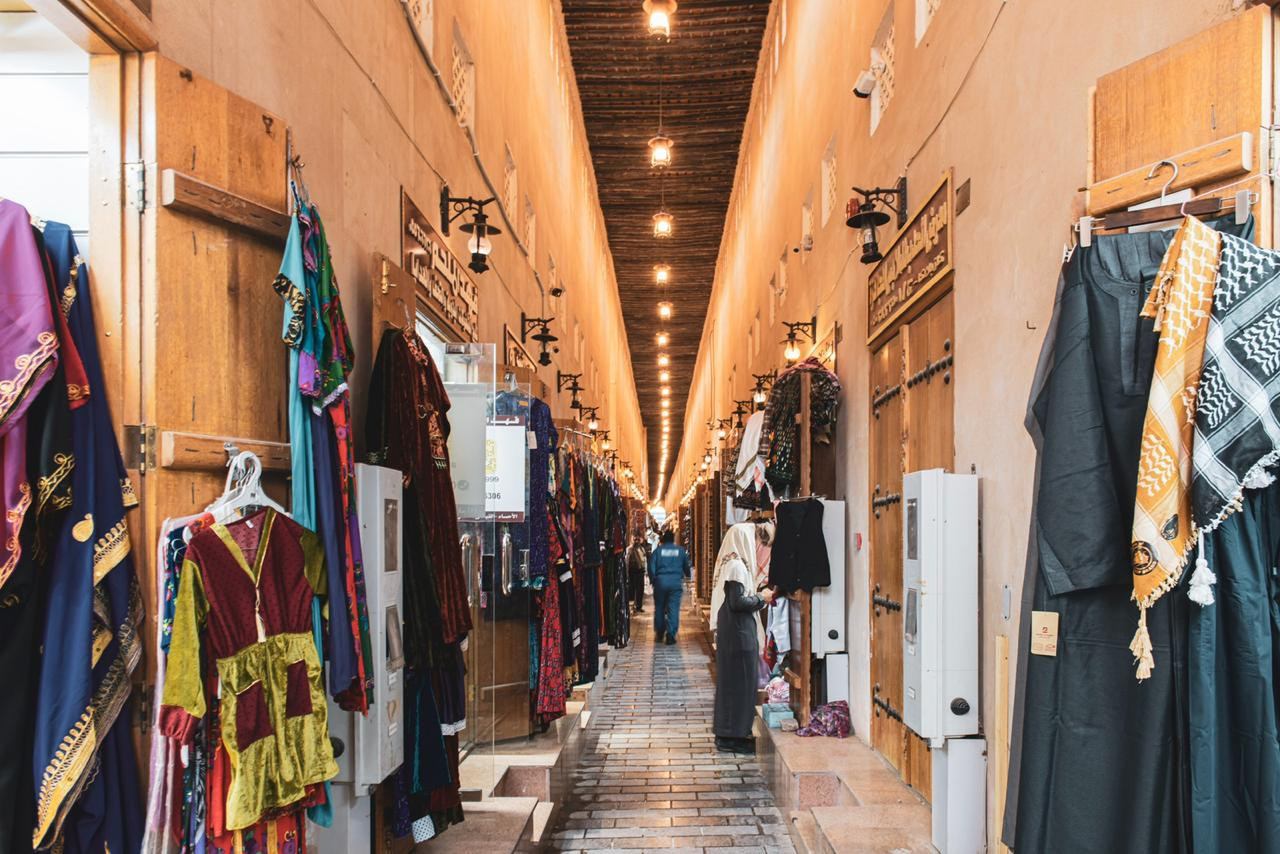
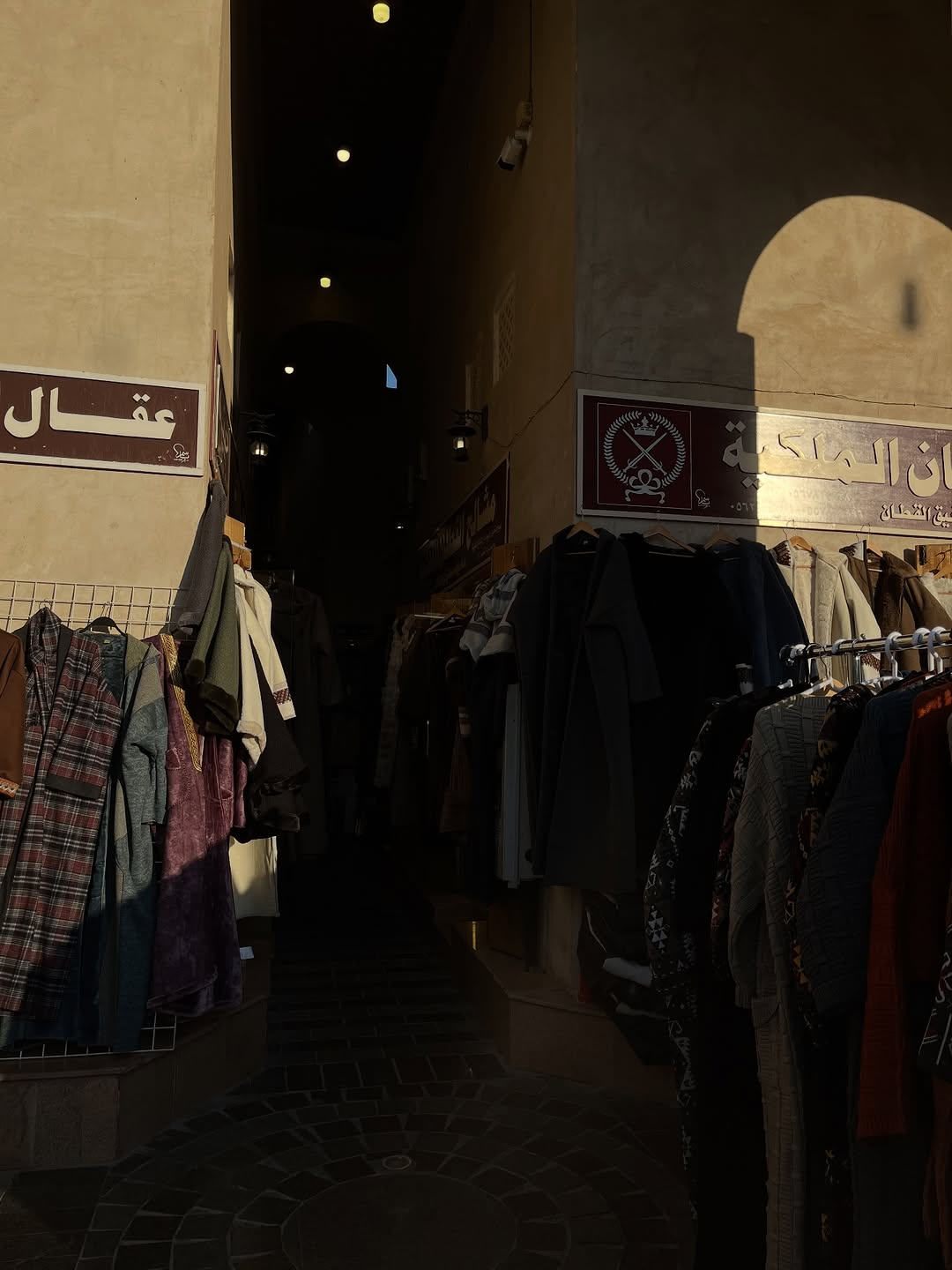
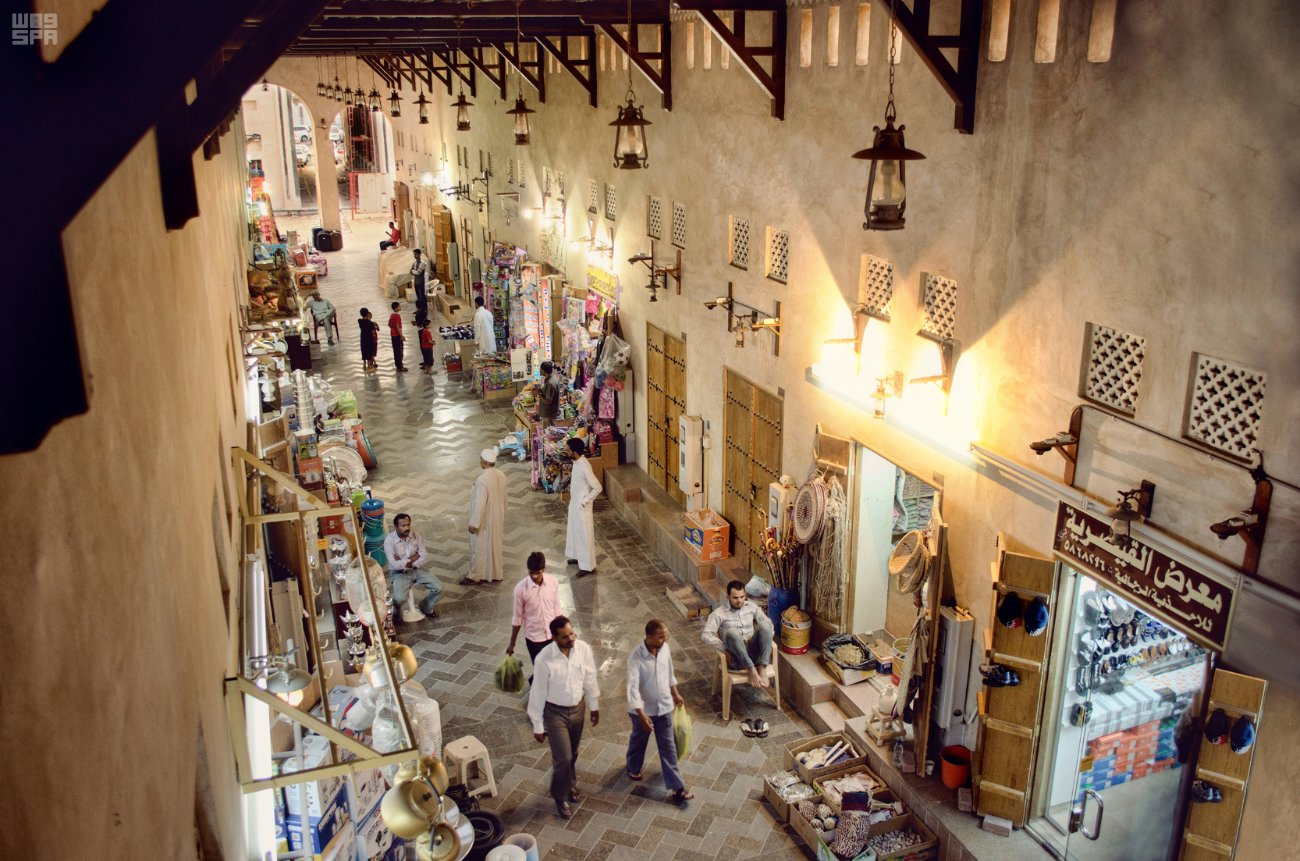
Qaisariya’s shops are compact and closely arranged, which reflects an older commercial model built around specialization and constant foot traffic. Each small unit faces directly into the life of the alley. There is little separation between merchant and passerby. This kept the market dense, active, and easy to navigate by trade and habit. The smallness of the shops is part of what gives the souq its human scale.
The Shopfront as a Social Space
The old shopfront was not only a place to display goods. It was a place to inhabit. One of Qaisariya’s distinctive features is the kabnak, a built-in wooden furnishing fixed around the shop entrance. It usually consists of three parts: two lower pieces set at floor level, which the shopkeeper used for sitting and for storing items such as rice and coffee in small drawers, and a third upper piece fixed to the wall above. In practical terms, the kabnak turned the entrance into a working station. It allowed the merchant to sit at the threshold, keep daily goods close at hand, and remain directly connected to the movement of the alley. This is what made the shopfront more than a boundary. It was part of the social life of the souq itself.
Another revealing feature of Qaisariya is the daka, the raised terrace in front of the shops. These platforms helped protect the stores from rainwater in the streets, but they also gave visitors a place to sit and examine merchandise.
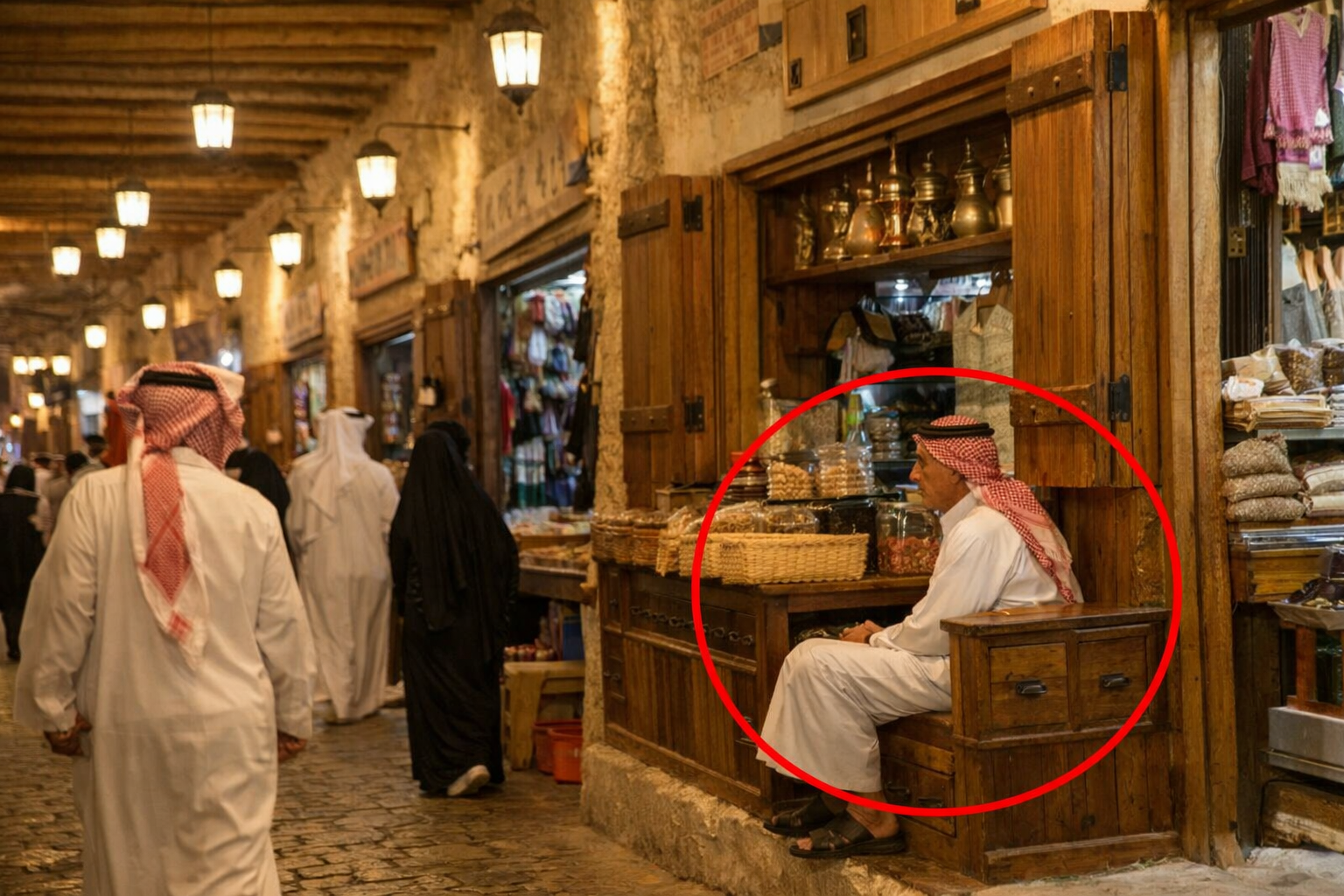
Visualization of a traditional kabnak, a wooden shopfront feature used for seating, storage, and tiered display.
Why Wood Defines the Beauty of Qaisariya
Doors, Windows, and the Warmth of Craft
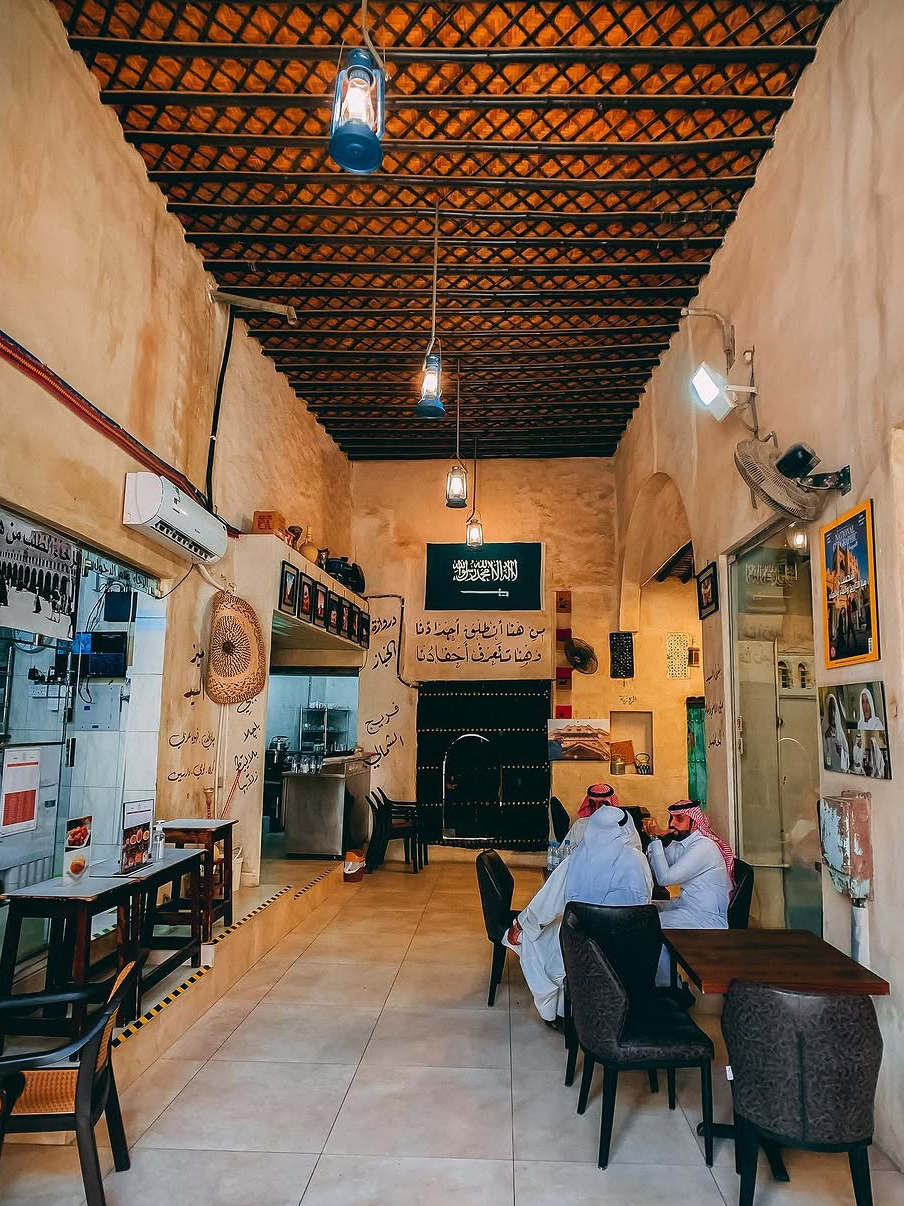
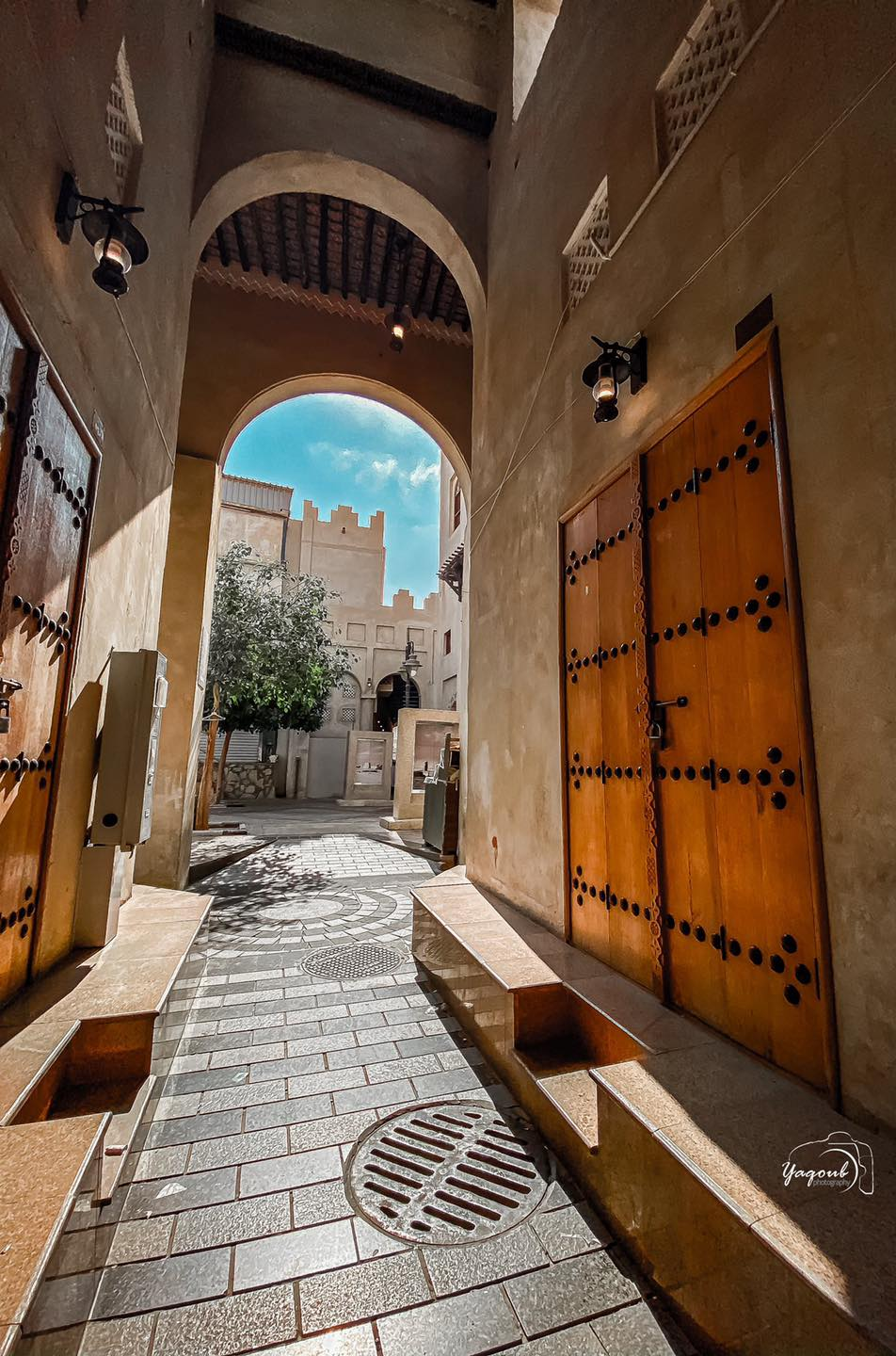
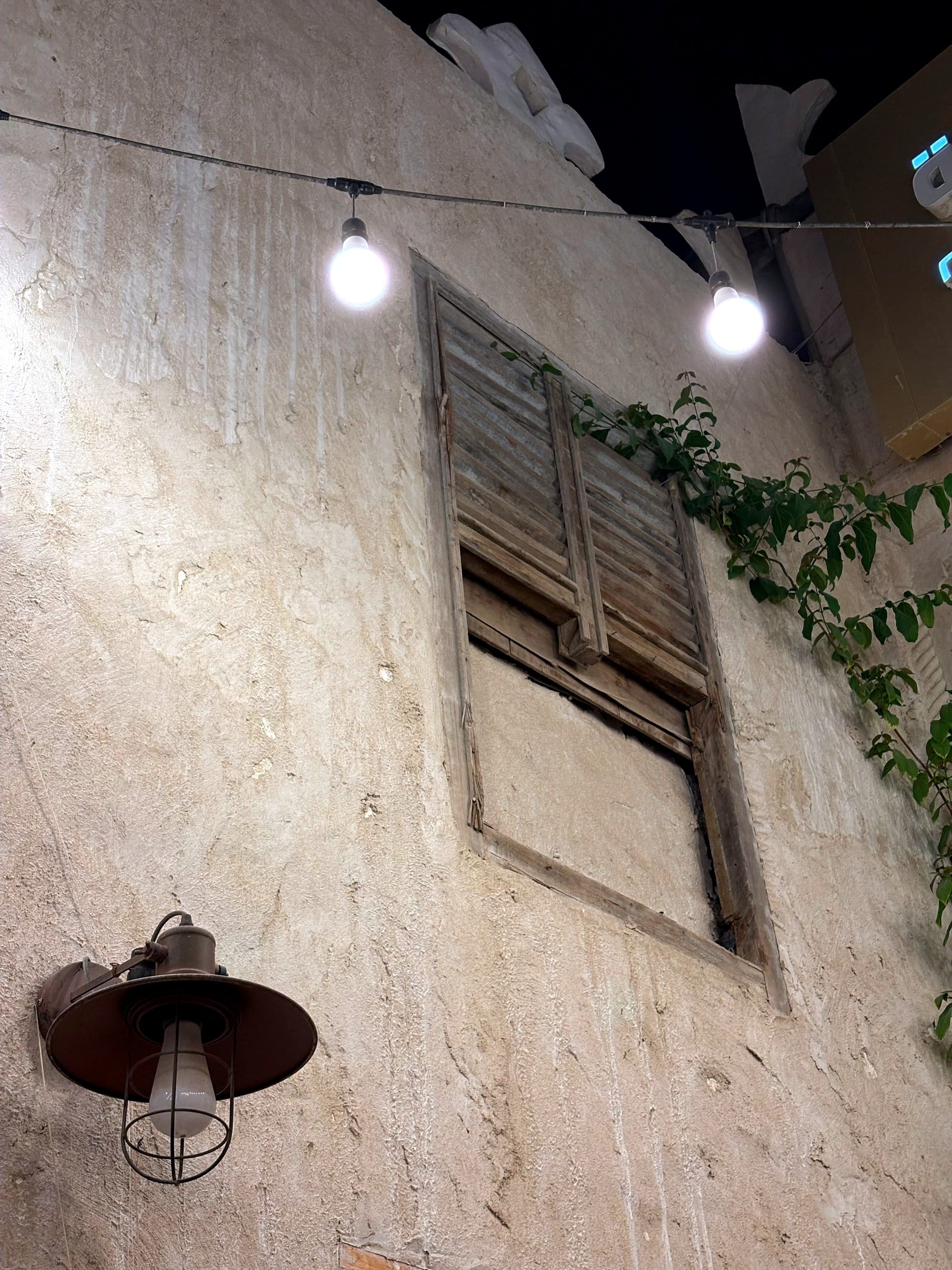
Much of Qaisariya’s beauty comes from wood. Its doors, windows, and shop details carry a warmth that softens the market’s density and gives it a handmade character. Wood has long held an important place in the traditional building language of Al Ahsa, especially in doors, gates, and openings. Against pale walls, it creates contrast, depth, and texture.
Carving, Thresholds, and the Hand of the Craftsman
In Qaisariya, woodwork is not an afterthought. It is where craftsmanship becomes visible. Carved doors and fitted openings make the threshold expressive. They show the hand of the craftsman in the places where people enter, pause, and look. This is one reason the souq feels rich without feeling excessive. Its beauty does not depend on grand scale. It depends on detail.
Colored Glass, Lanterns, and the Atmosphere of the Souq
Light as Part of the Experience
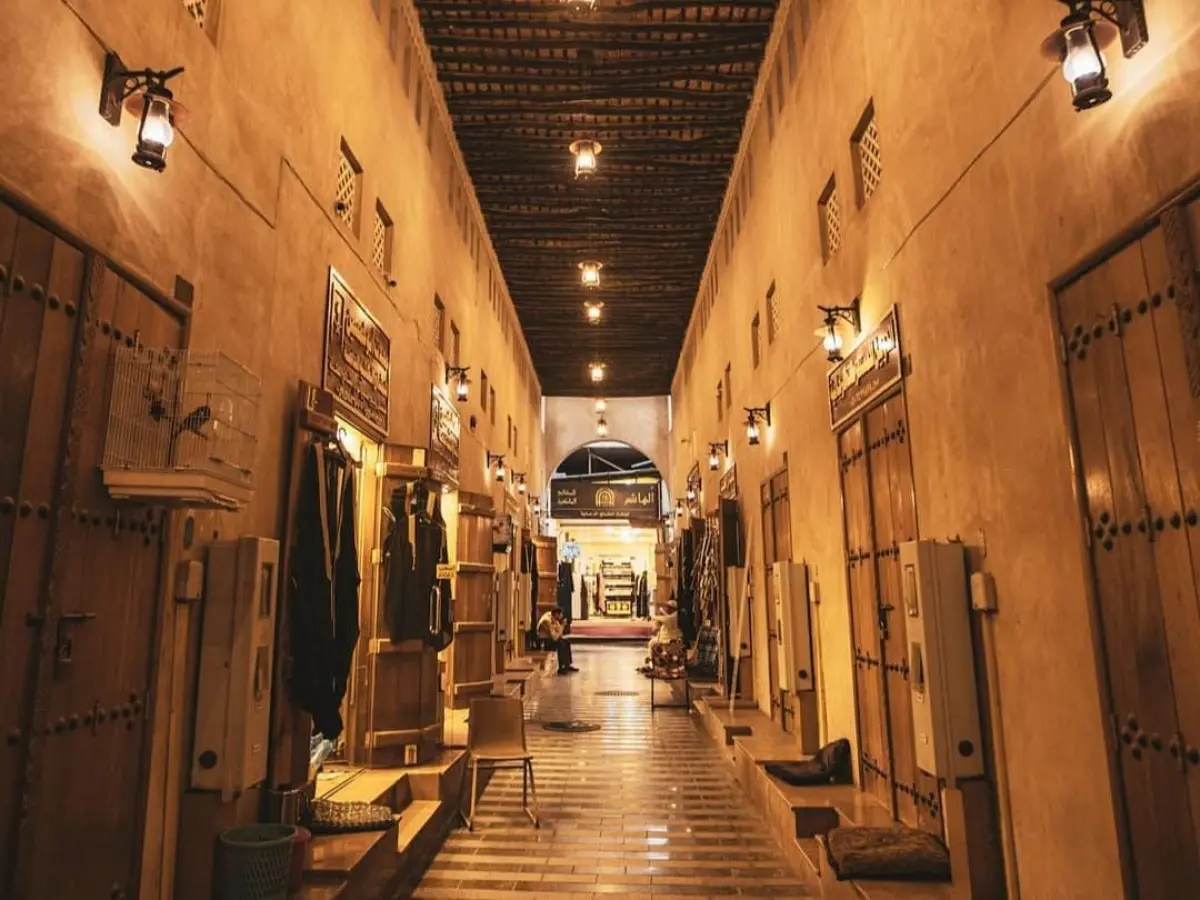
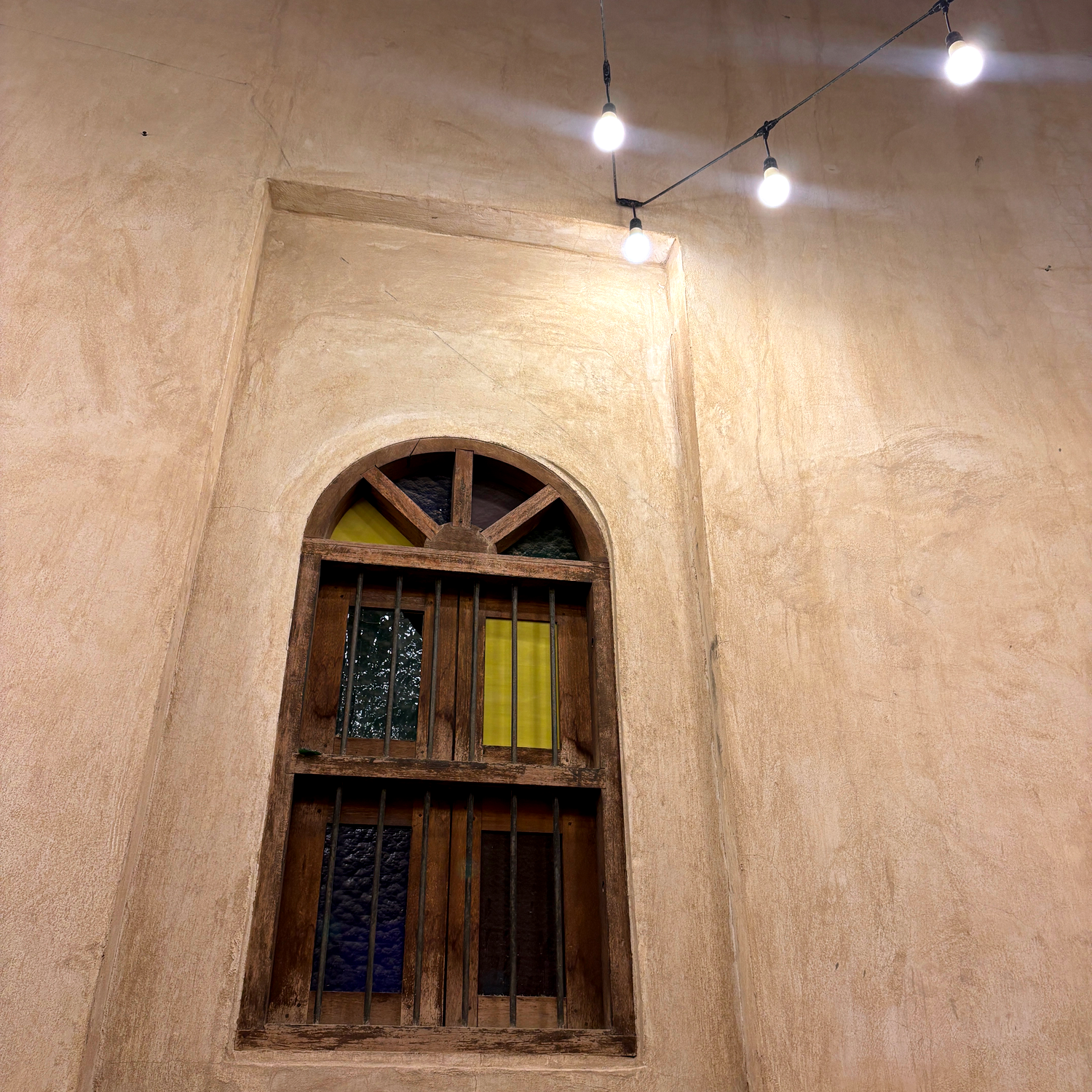
Colored window panes contribute to the mood of the market by softening and tinting the light that enters the space. Even when their exact historical purpose is not always documented in detail, they clearly belong to the market’s visual language of wood, shade, and filtered brightness. They deepen the sense that Qaisariya is meant to be experienced slowly, through atmosphere as much as through trade.
The White Entrance and the Meaning of Arrival
A Gateway That Announces Heritage Without Excess
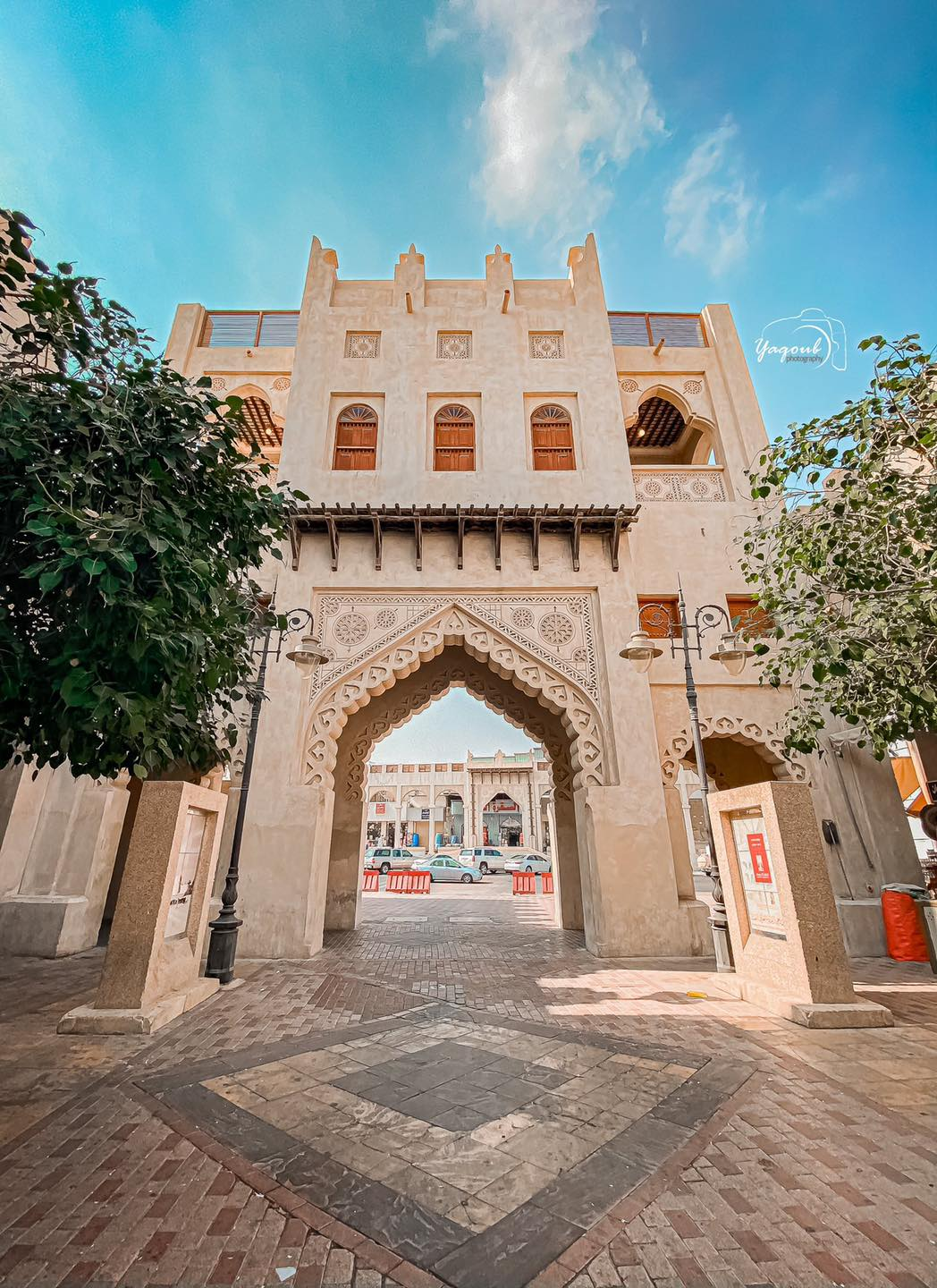
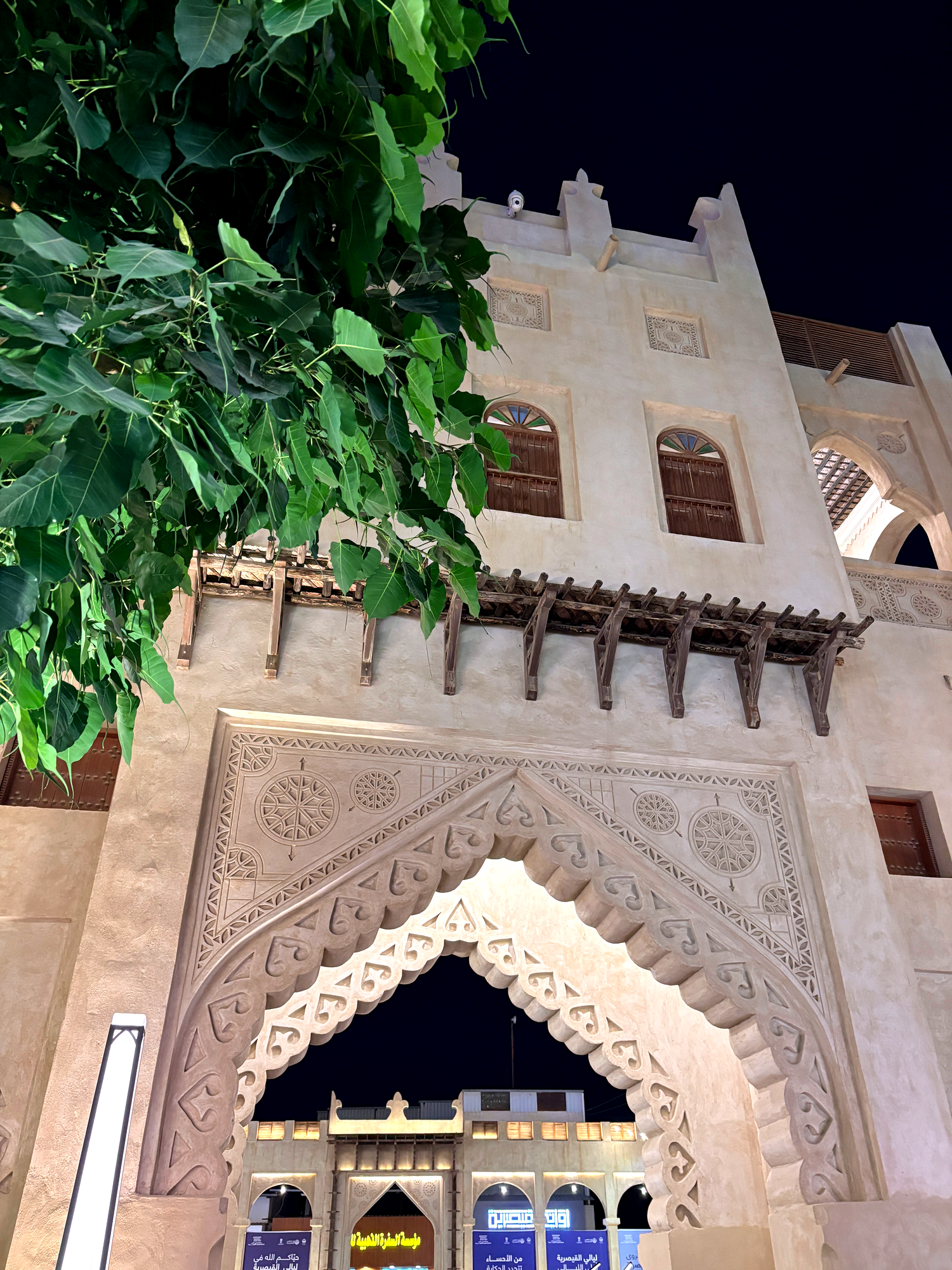
The white entrance of Qaisariya gives the market a calm but ceremonial threshold. Its pale surface reflects the traditional architecture of the region, where earth-built structures were often coated with white lime plaster. This finish was not only aesthetic. It helped protect the buildings from weather, improved resistance to rain, and reflected harsh sunlight in the hot climate. The bright façade seen today also reflects restoration efforts that preserved the souq’s historic character and visual identity.
Rather than relying on heaviness or grandeur, the gateway announces importance through restraint. That fits the character of the souq itself. Qaisariya does not impress through spectacle. It draws people in through proportion, texture, and the quiet authority of a place that has belonged to public life for generations.
What Qaisariya Sold, and What That Says About Al Ahsa
A Market of the Oasis, Not Just of Commerce
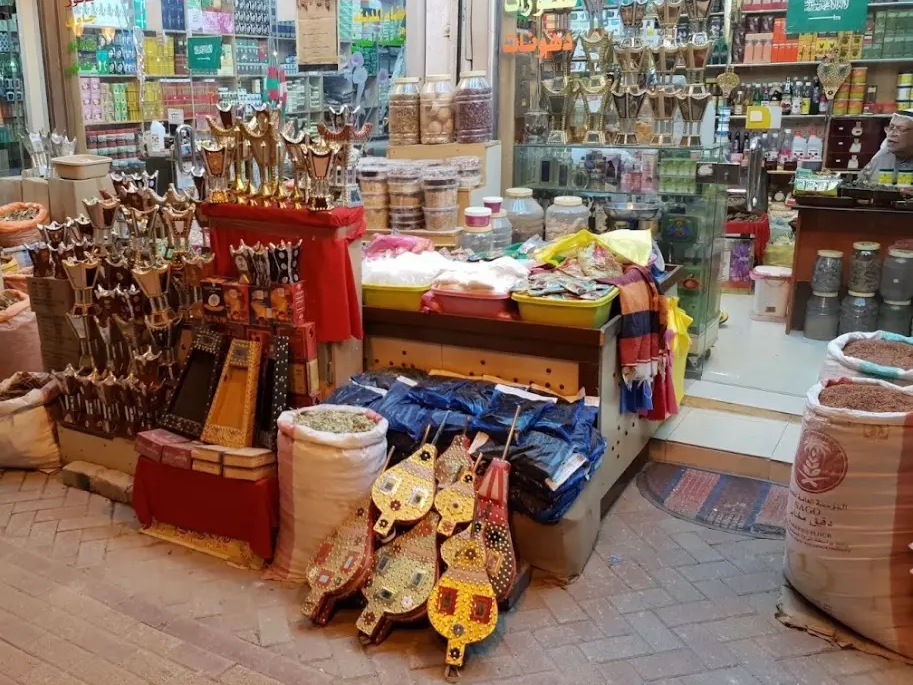
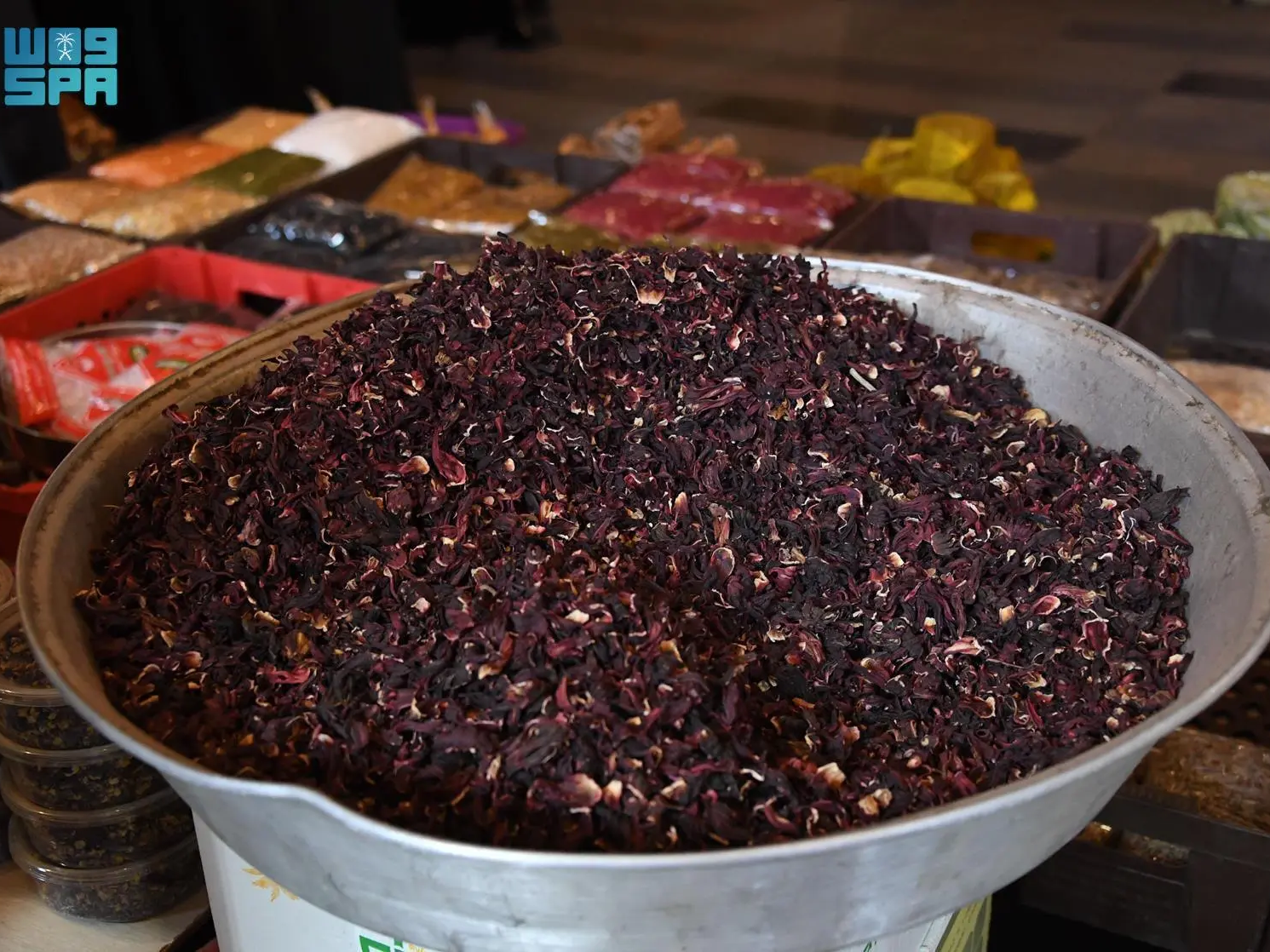
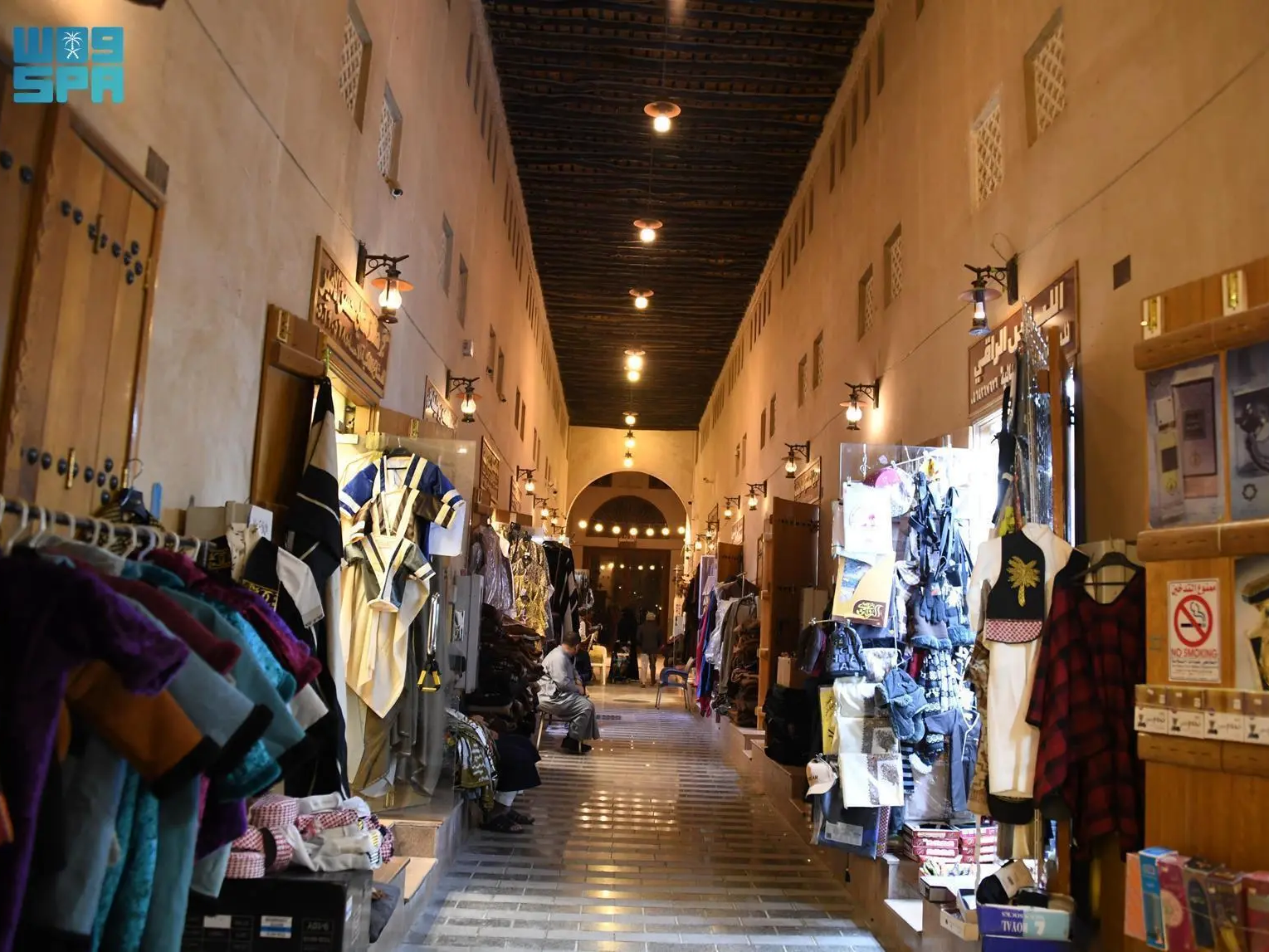
Qaisariya has long been associated with goods that reflect the life of Al Ahsa: dates, spices, herbs, shoemaking, weaving, leatherwork, agal-making, mishlah tailoring, metalwork, and foods tied to daily life. These are not random products. They reflect the material culture of the oasis itself. They connect the market to agriculture, dress, domestic life, and local skill.
From Daily Need to Cultural Memory
What was once sold for necessity now also carries cultural meaning. Dates speak to the palms and cultivation of Al Ahsa. Textiles and garments speak to household practice and regional style. Leather goods and crafted accessories reflect daily habits that were both practical and expressive. In this way, the merchandise of Qaisariya tells the story of the people who built it.
Layali Al-Qaisariyah and the Souq in Its Best Form
When the Market Becomes a Cultural Stage
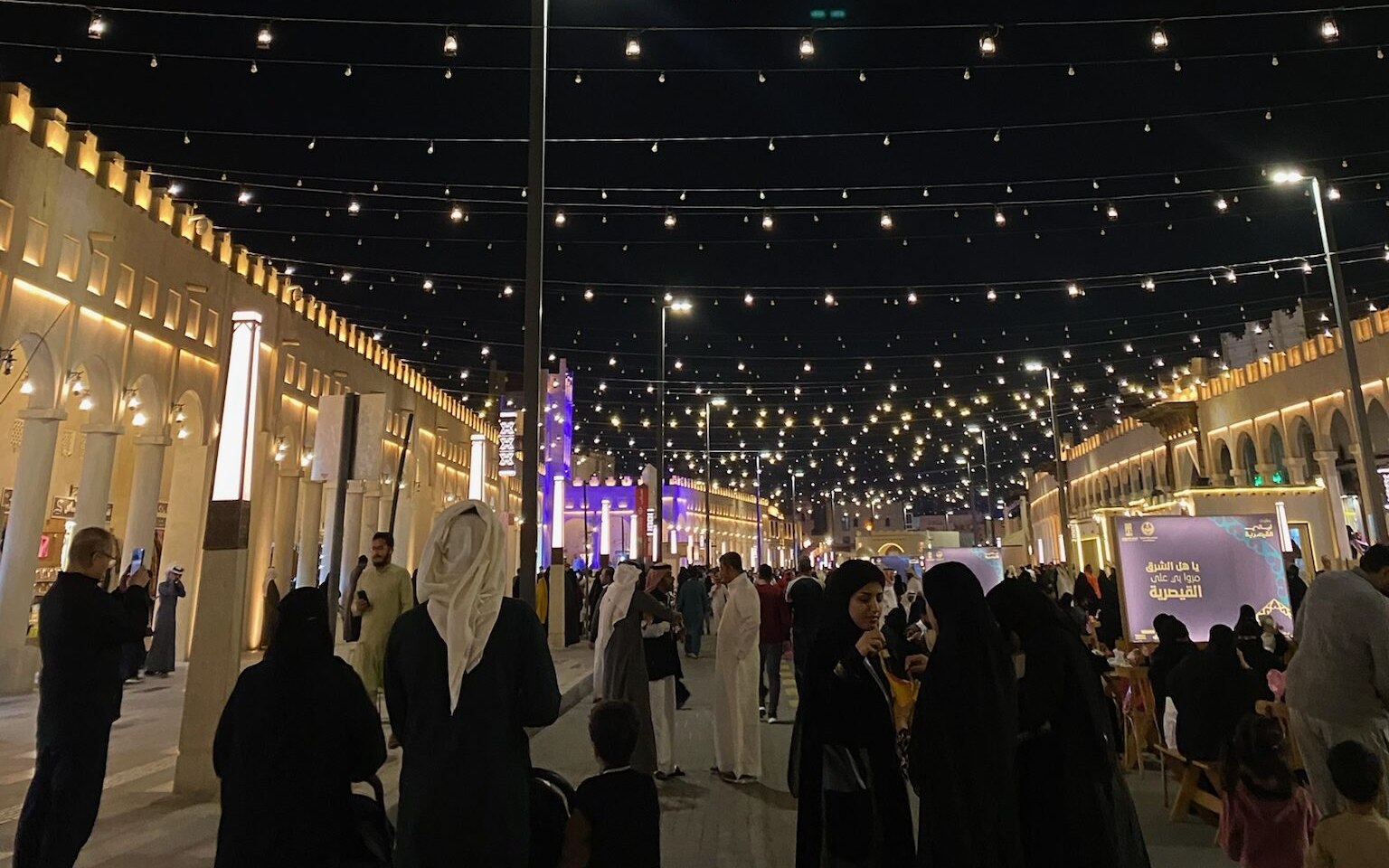
Today, one of the most vivid ways to experience Qaisariya is through Layali Al-Qaisariyah, the festival that fills the souq’s central square with string lights, color, music, and movement over the course of two months. At this time, the market becomes more than a place of shopping. It becomes a cultural stage where heritage returns in sound and gathering.
Sound, Movement, and Family Life in the Heart of the Souq
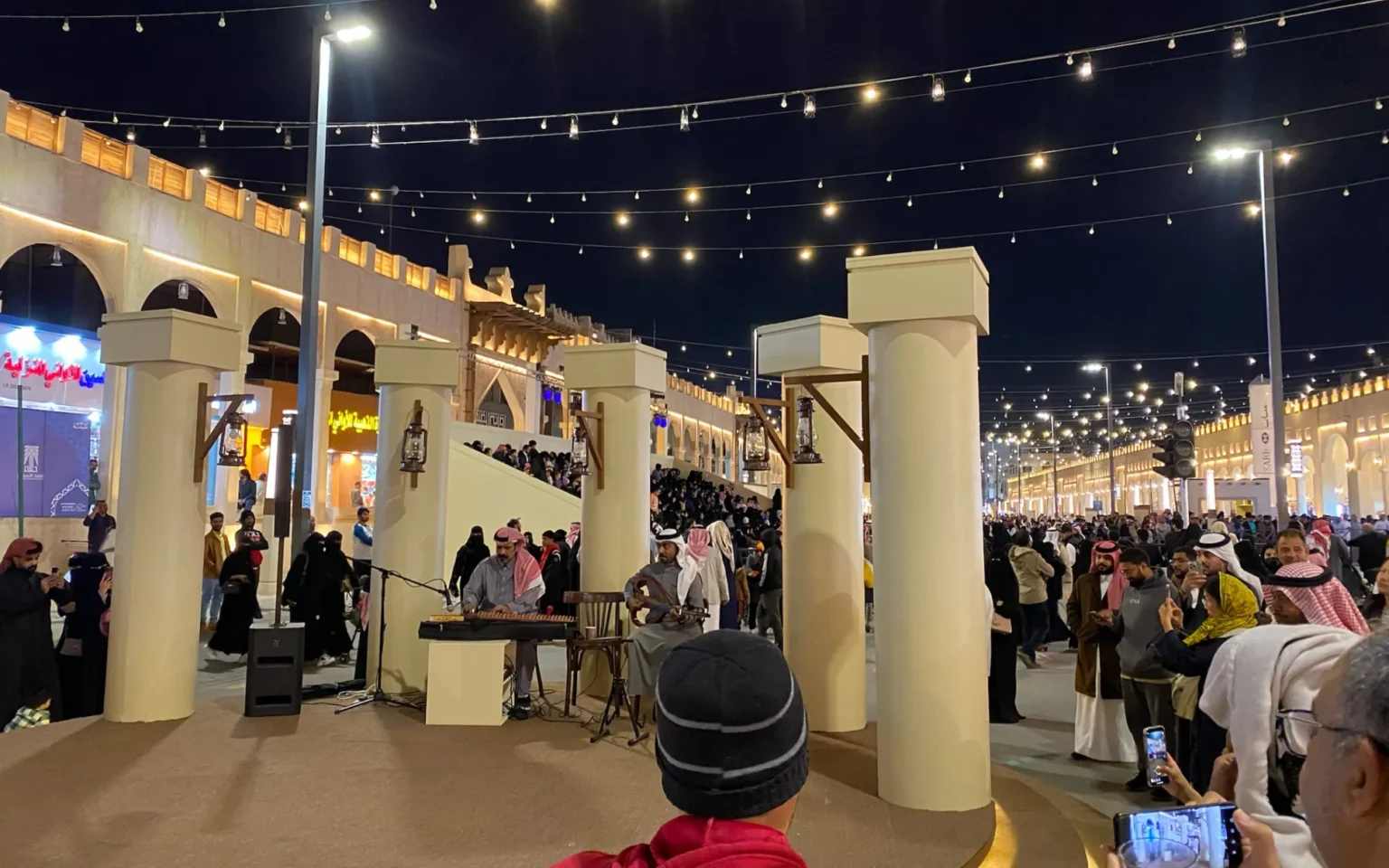
Families move through the square from one performance to the next. Children gather around games. Drums set the rhythm for regional dances. Musicians play oud and qanun, and familiar songs invite people to sing along. Harvest-themed movement, folk performance, and communal presence turn the space into a living picture of Al Ahsa’s cultural energy. This is when the souq feels especially complete.
Why the Festival Matters to the Story of the Souq
Layali Al-Qaisariyah shows that the market is not preserved only in stone, wood, and memory. It is preserved in use. The festival does not borrow heritage as decoration. It activates the souq in the way such places were always meant to live: through gathering, performance, conversation, and shared experience. This is Qaisariya in its best form, not because it looks old, but because it feels fully alive.
A Heritage Site That Still Lives
What endures in Qaisariya is not only the form of an old market, but the character of Al Ahsa itself: patience, craft, hospitality, and rootedness. Its alleys still hold closeness. Its shopfronts still carry the etiquette of direct exchange. Its wood, lanterns, and pale gateway still speak in the language of place. In Qaisariya, the oasis has not stopped speaking. It still does so through doors, light, trade, and return.
Curious for More Cultural Gems Like This?
Subscribe to Saudi Cultures for weekly updates on events, heritage, and voices across the Kingdom.