
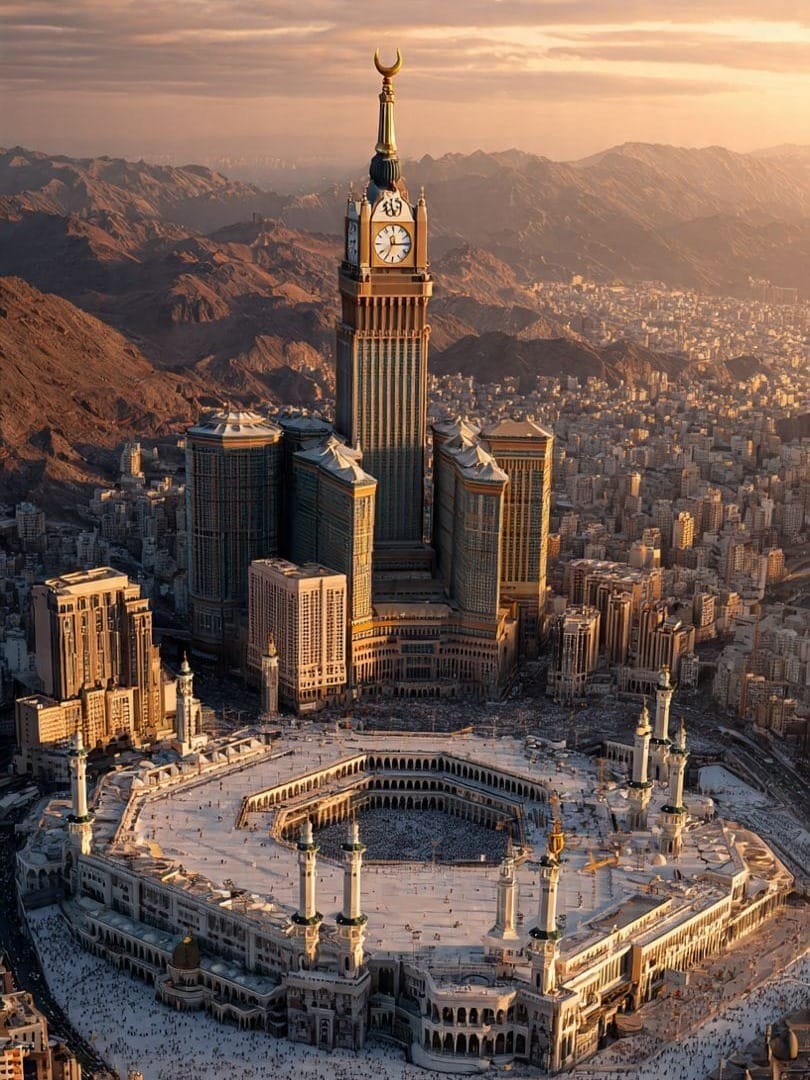
The Makkah Clock Tower is one of the most recognizable buildings in Saudi Arabia, but its story is richer than most people realize. Seen from afar, it appears as a monumental clock above the Holy City. Up close, it reveals a deeper narrative of pilgrimage, design, Islamic symbolism, and spaces hidden behind glass, mosaic, and gold. It is not simply a tower overlooking Makkah. It is part of how modern Makkah presents itself to the world.
What Is the Makkah Clock Tower?
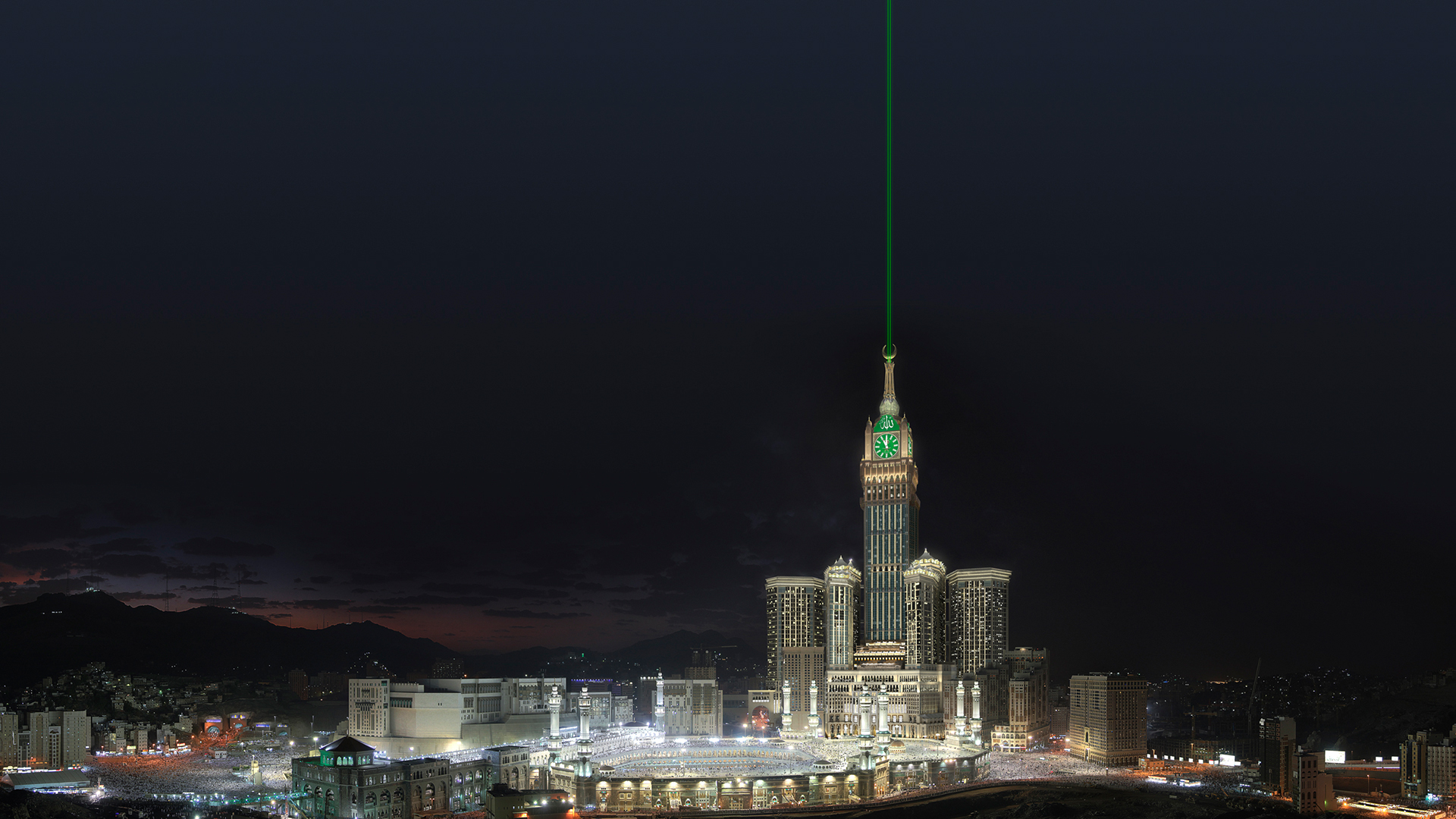
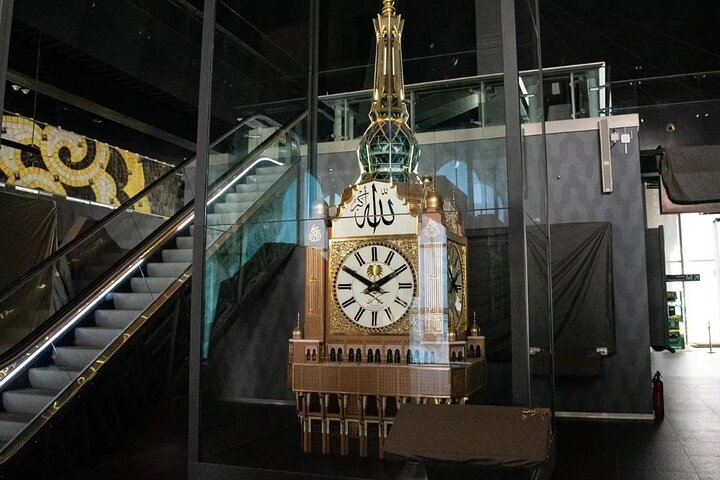
Officially, the landmark is called the Makkah Royal Clock Tower. It sits within a seven-tower complex adjacent to the Haram, and it remains the tallest building in Makkah and one of the tallest completed buildings in the world. The tower is also widely recognized as the world’s biggest tower clock, a title reflected in the architect’s own project description and in Saudi endowment materials.
Its presence in the skyline is immediate, but its symbolism is just as strong. A giant clock above the sacred center of Islam, crowned by a spire and crescent, turns the tower into more than a hotel structure. It becomes part of the visual language of Makkah itself: a modern landmark shaped by faith, time, and place. This balance between utility and meaning is one of the reasons the tower continues to fascinate both visitors and those who study the city from afar.
Why Was It Built Beside the Haram?
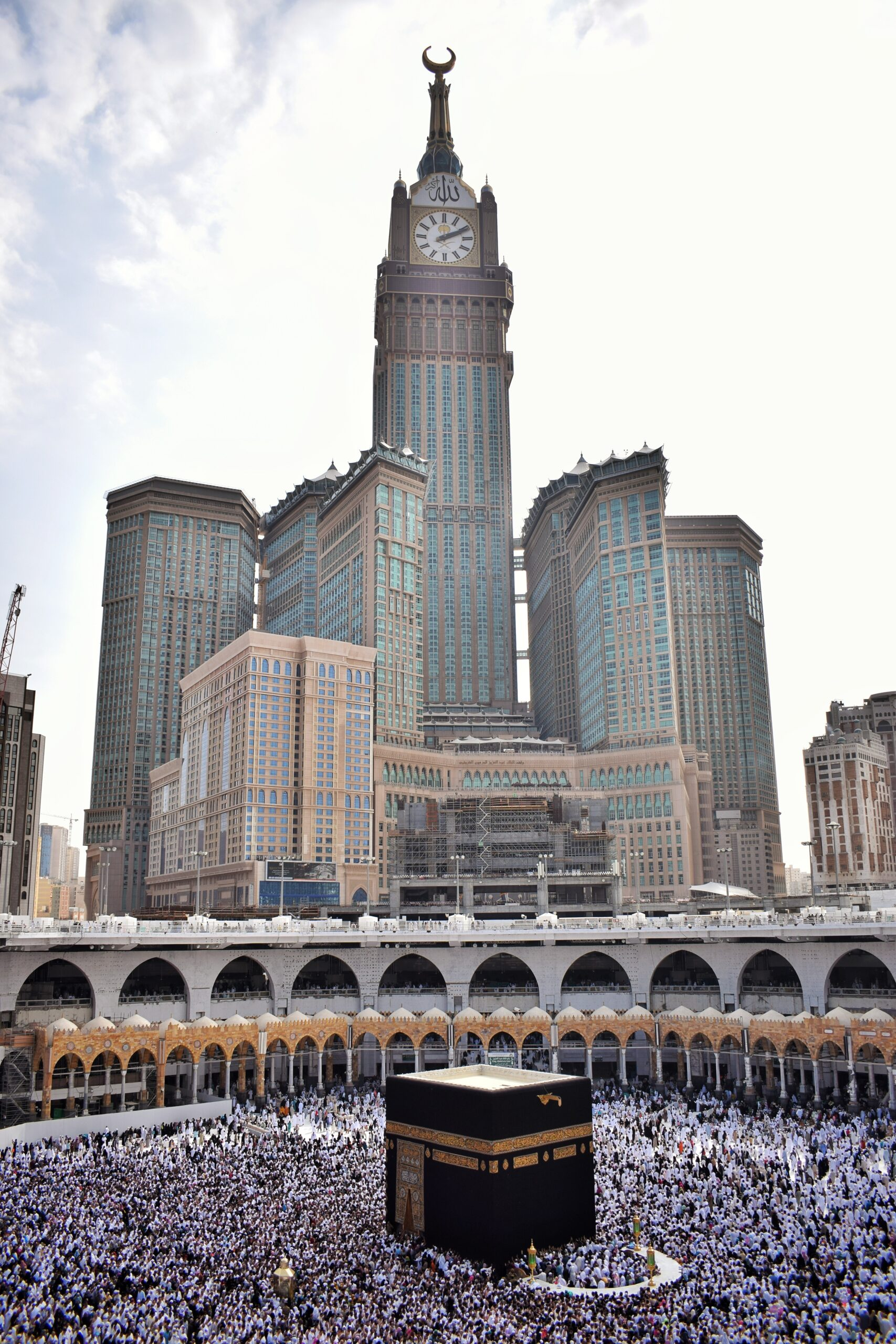
The story of the tower begins with a practical question. How does Makkah continue to host growing numbers of pilgrims while remaining centered on its sacred role? The King Abdulaziz Endowment Project was one answer. It created a large complex of towers, hotels, services, and facilities beside the Grand Mosque, giving pilgrims accommodation and support infrastructure within one of the most important urban settings in the Muslim world.
The Makkah Clock Tower was built in a city where architecture is never only visual. Buildings near the Haram are measured by how well they serve worshippers, movement, and the life of the city. That is why the central tower could not remain a simple commercial structure. Its site demanded greater symbolic weight, and the final design answered that demand with a clock, a monumental crown, and a form that could be read from far across Makkah.
How the Project Changed During Construction
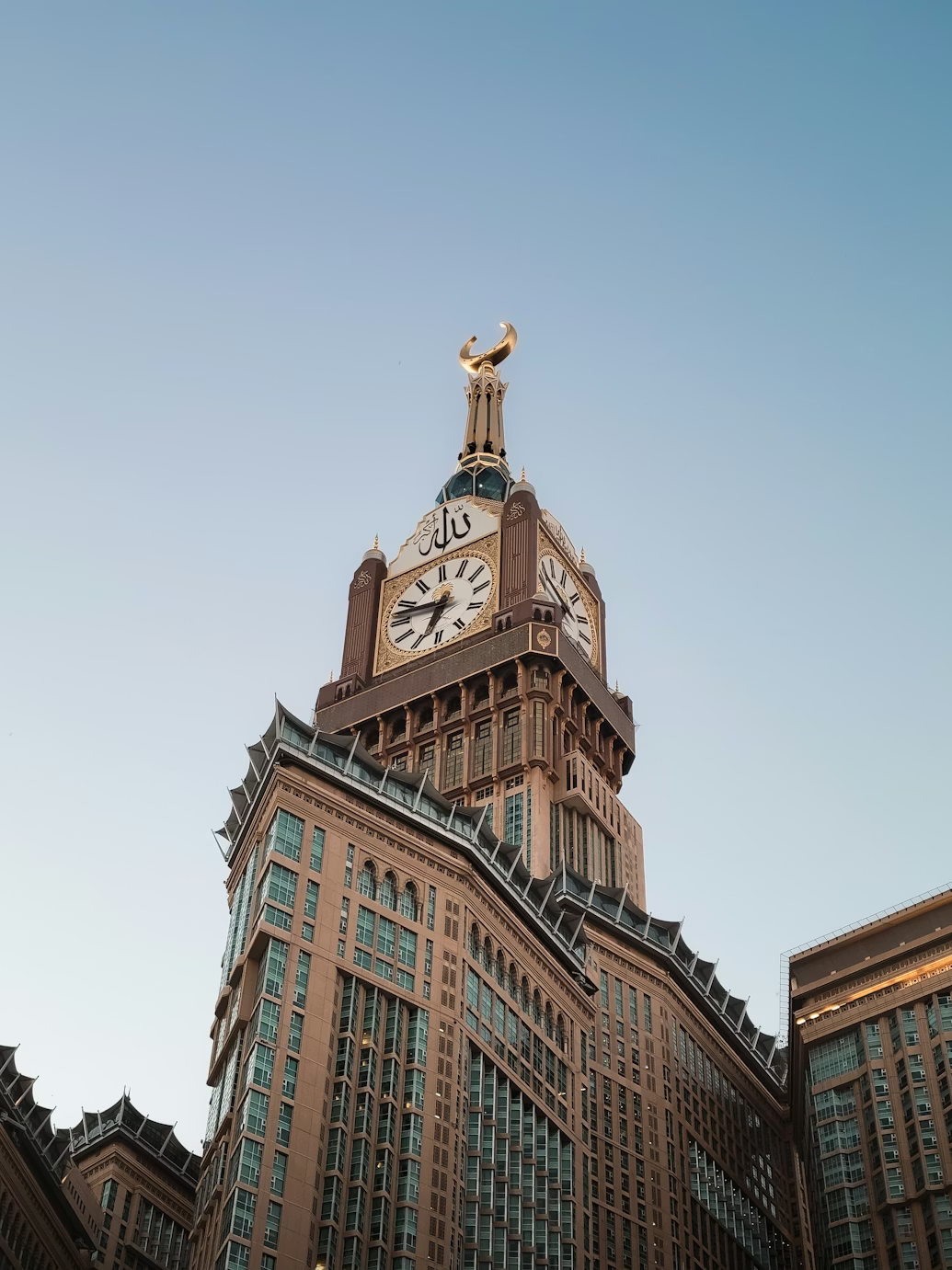
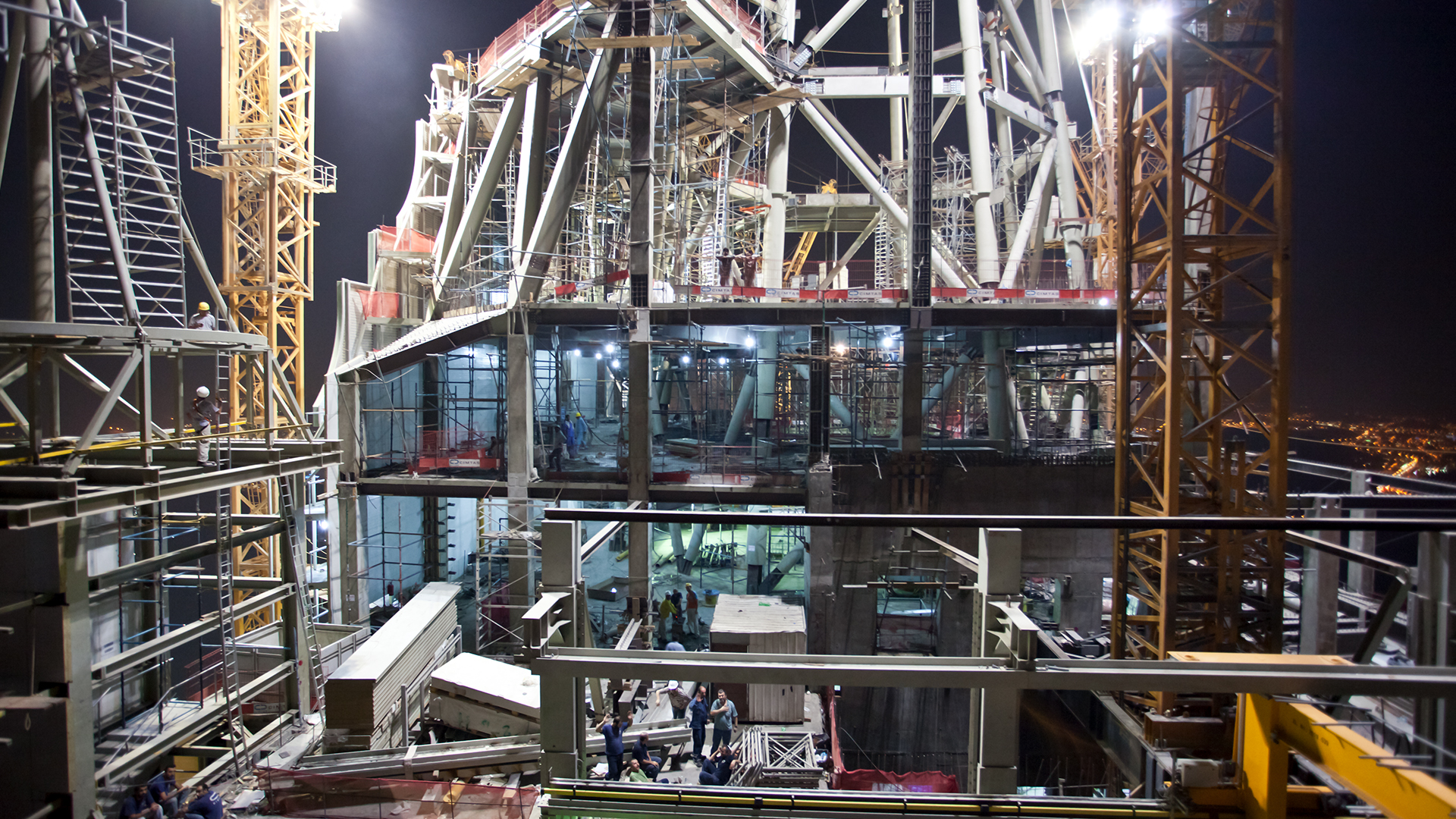
One of the most striking parts of the tower’s story is that the famous clock crown was not there from the very beginning of the structural planning. The idea of turning the central skyscraper into the tallest clock tower in the world emerged while the seven-tower project was already underway. The firm says it was brought in during late 2006 to design the vast clock addition after the tower calculations had already been completed, making the new upper structure a complex challenge in weight, engineering, and form.
That design shift gave the building its identity. Rather than ending as a straightforward tall tower, it became a hybrid of megastructure, urban marker, and symbolic form. The architect describes a solution that combined contemporary composite materials with elements rooted in Islamic art. This is one of the reasons the building feels so distinctive. It does not read like an imported skyscraper dropped into Makkah. It reads as a tower that was deliberately reshaped for its setting.
Designing the World’s Biggest Tower Clock
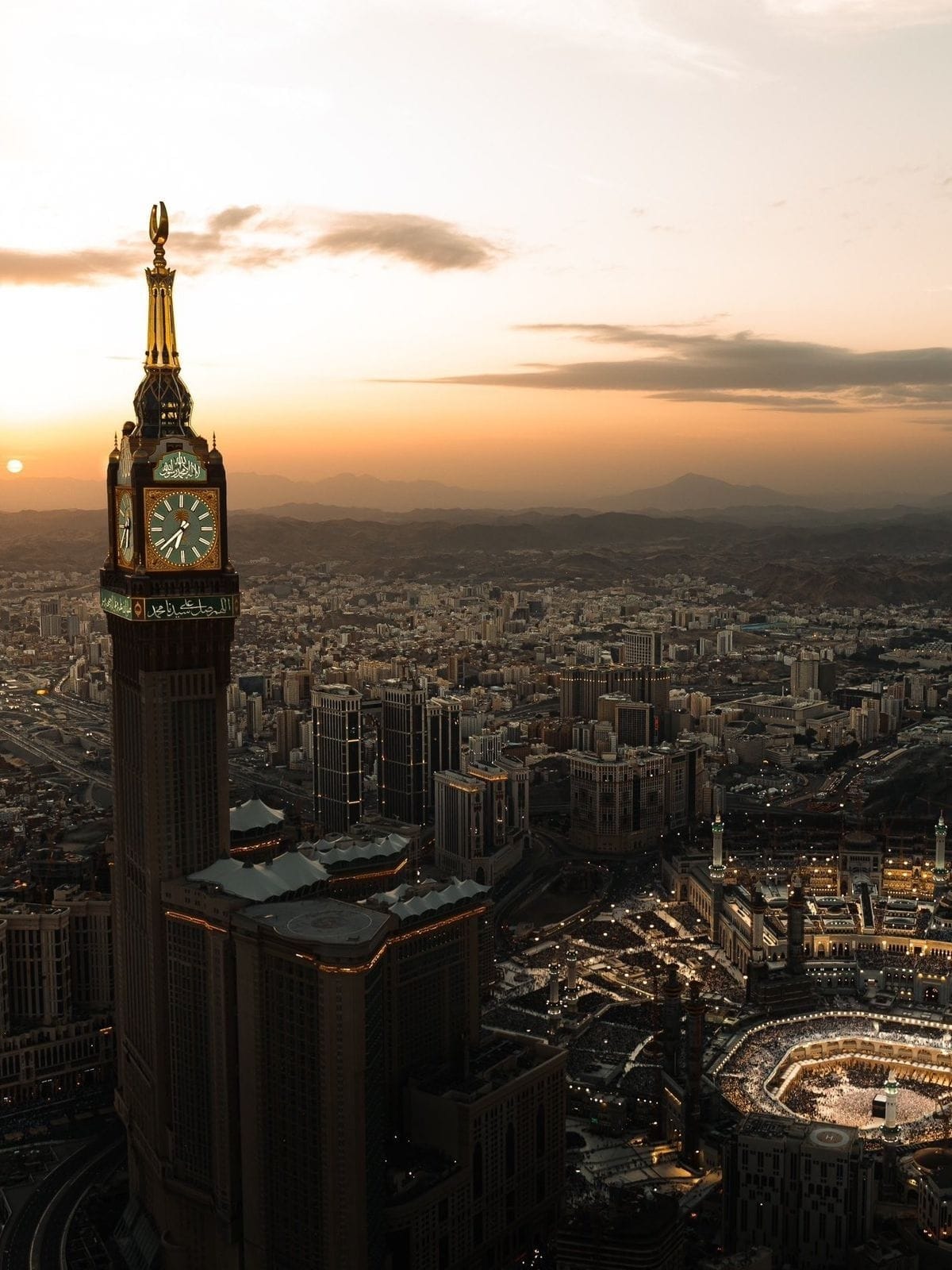
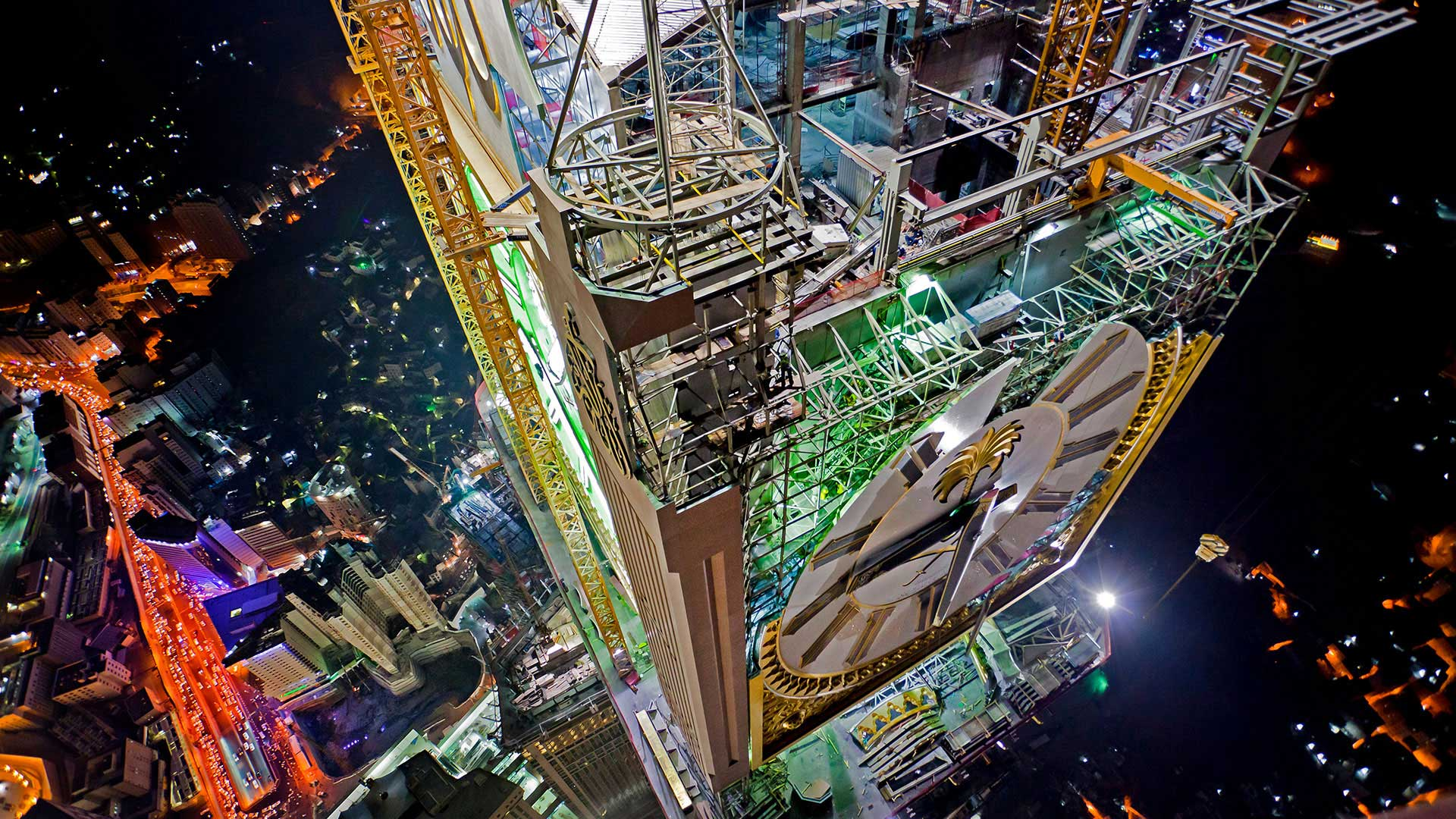
The clock itself is the feature that turned the building into an icon. The clock faces use 600 glass-fibre-reinforced panels, and that the faces sit around 450 meters above the ground. The larger faces at 43 by 43 meters, with the east and west faces measuring 37 by 43 meters. At that scale, the tower does not merely display time. It announces itself across the city.
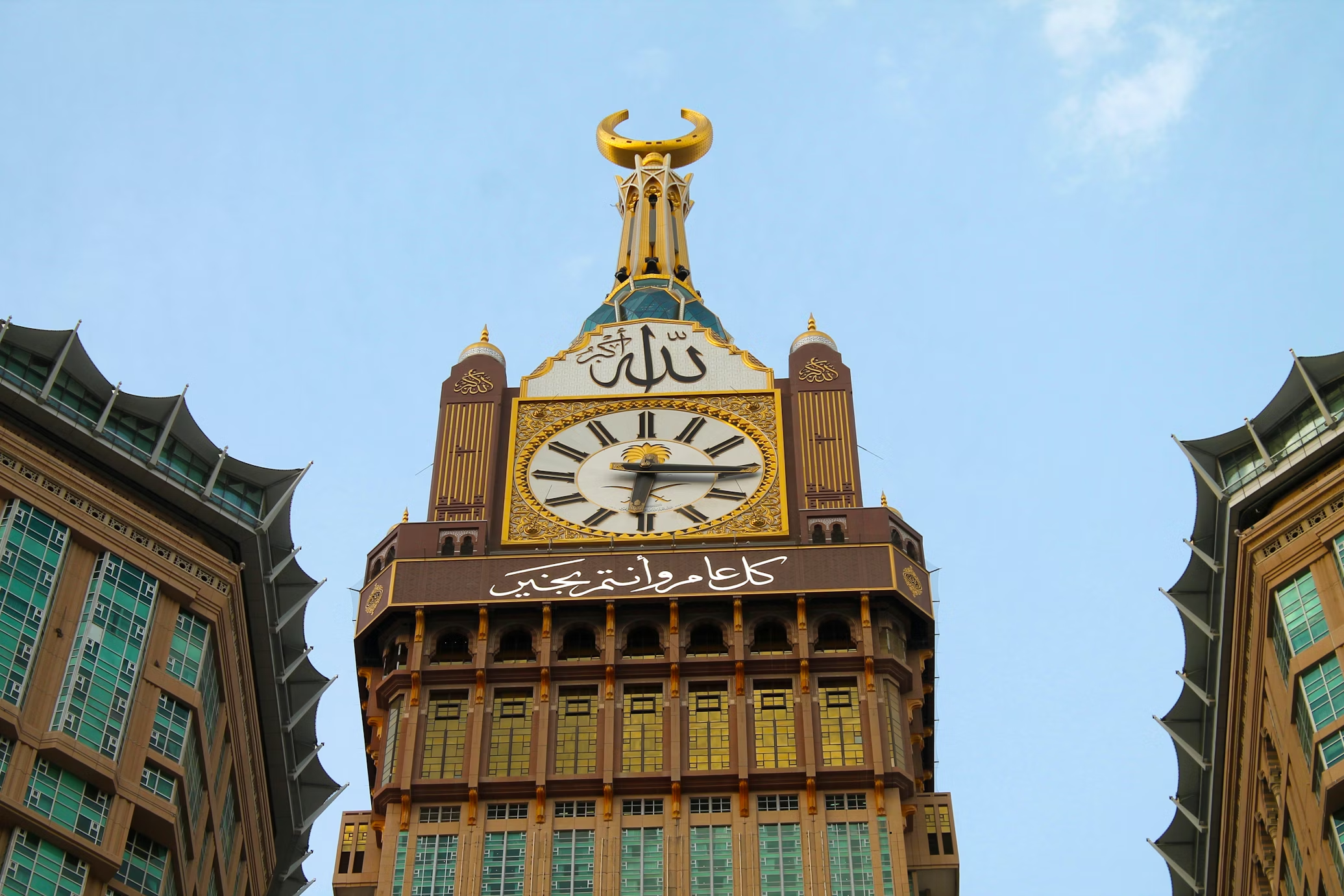
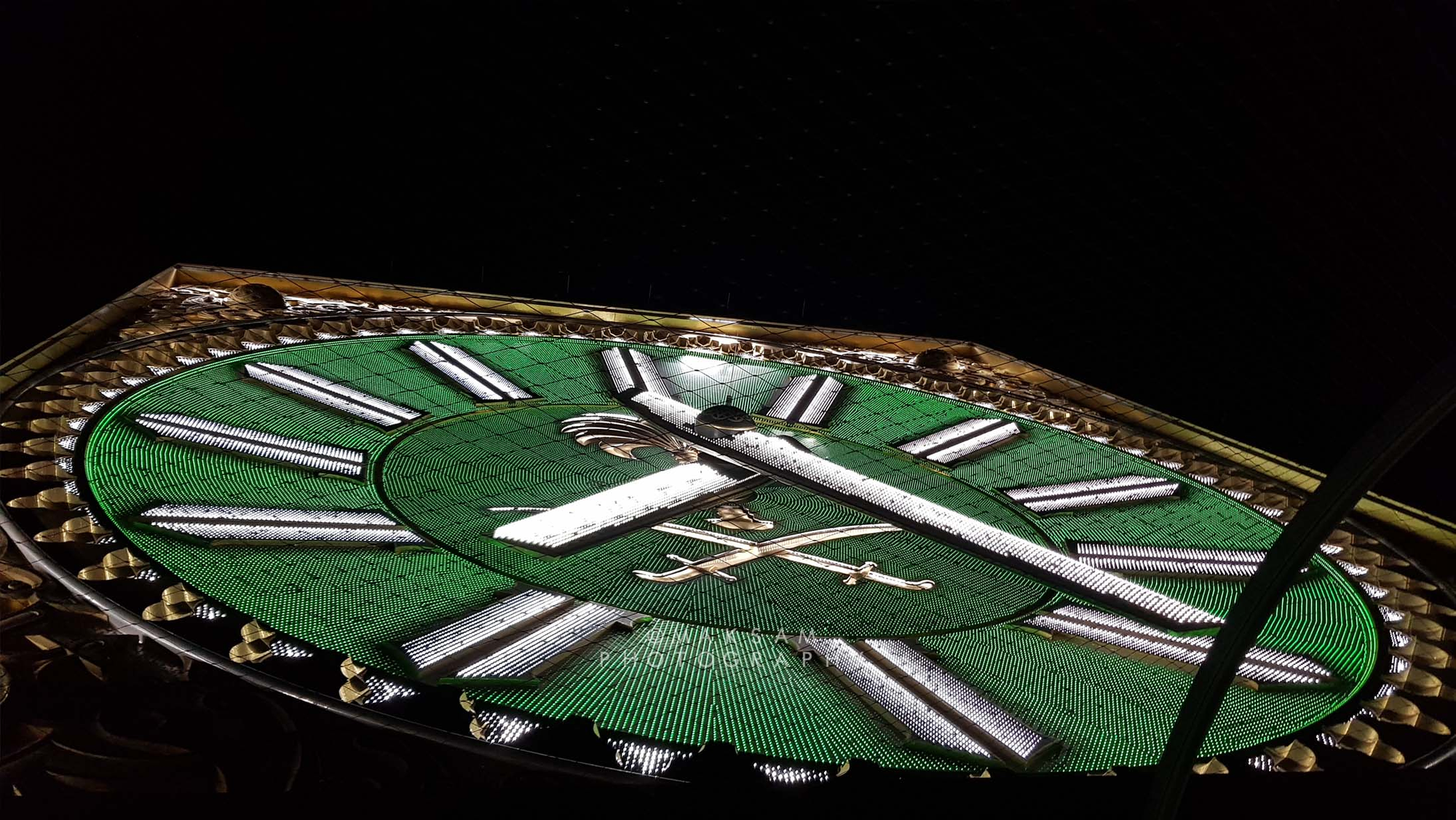
The clock mechanism also required specialist expertise. The clock was implemented by Perrot, the German tower-clock manufacturer, and that the hands were built as hollow carbon-fibre structures with no internal load-bearing frame. In some parts, they consist of up to 150 layers of carbon-fibre laminate. The movement is described as the heaviest clock movement in the world, weighing 21 tonnes, while the hands themselves weigh a combined 12 tonnes. These details show how the tower’s grandeur depended on extremely precise engineering rather than scale alone.
A Facade of Glass, Gold, and Mosaic
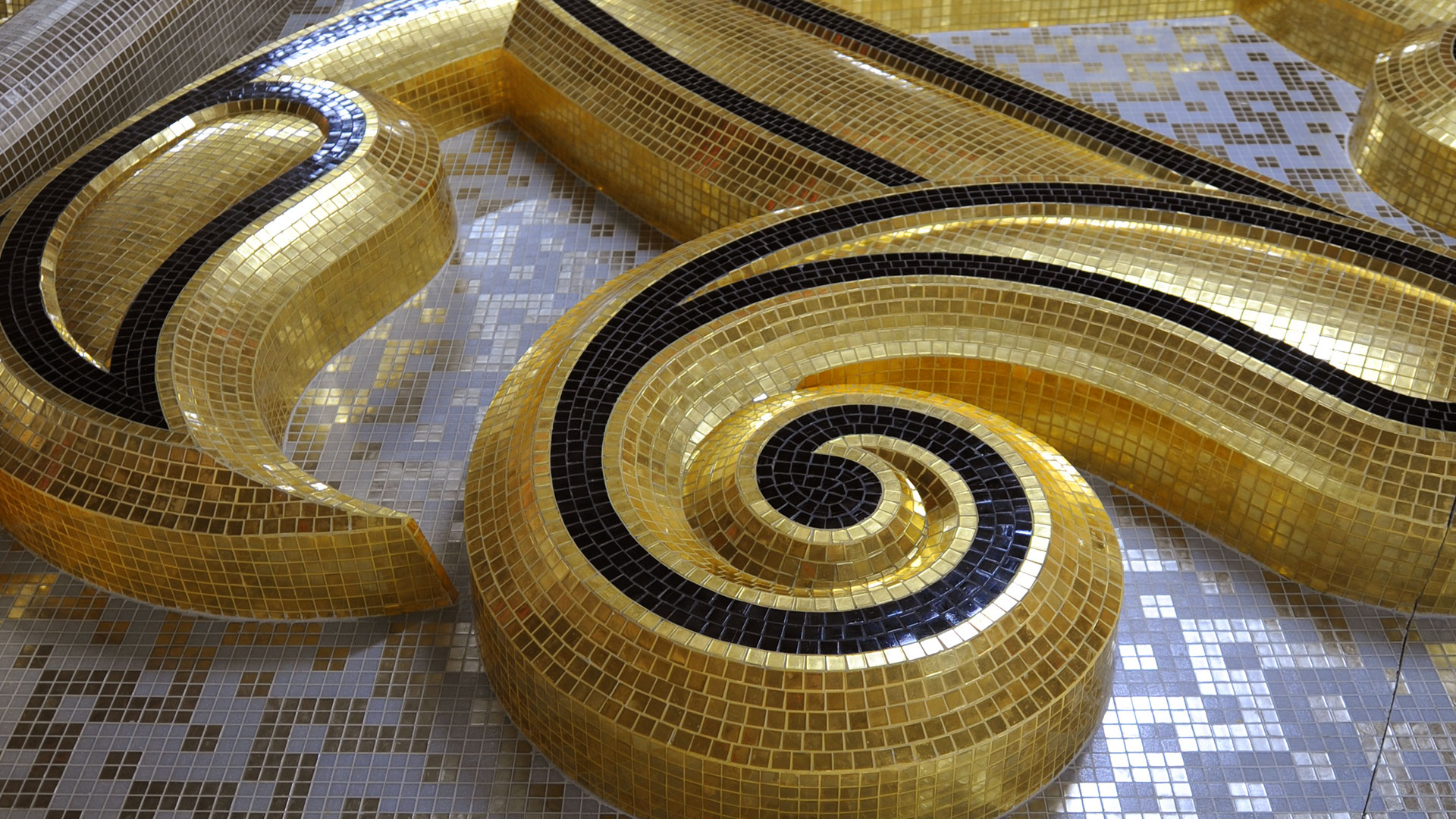
The tower’s surface tells another part of the story. The facade includes 98 million glass mosaic tiles in six colours, spread across 46,000 square meters, with 13,000 square meters of gold mosaic. The clock faces and other sections were covered with custom-made glass tiles not only for beauty, but also because glass reflects harmful UV radiation efficiently and protects the composite materials beneath.
This was not a minor detail. Makkah’s climate meant the facade had to endure intense sunlight and major day-night temperature shifts. The temperatures can fluctuate by up to 70 degrees Celsius, making thermal resistance essential in both the tiles and the adhesive. In other words, the tower’s decorative richness is also part of its technical logic. The gold, the glass, and the mosaic are not just adornment. They are part of how the building survives and shines in its environment.
The Glass Jewel, the Spire, and the Giant Crescent
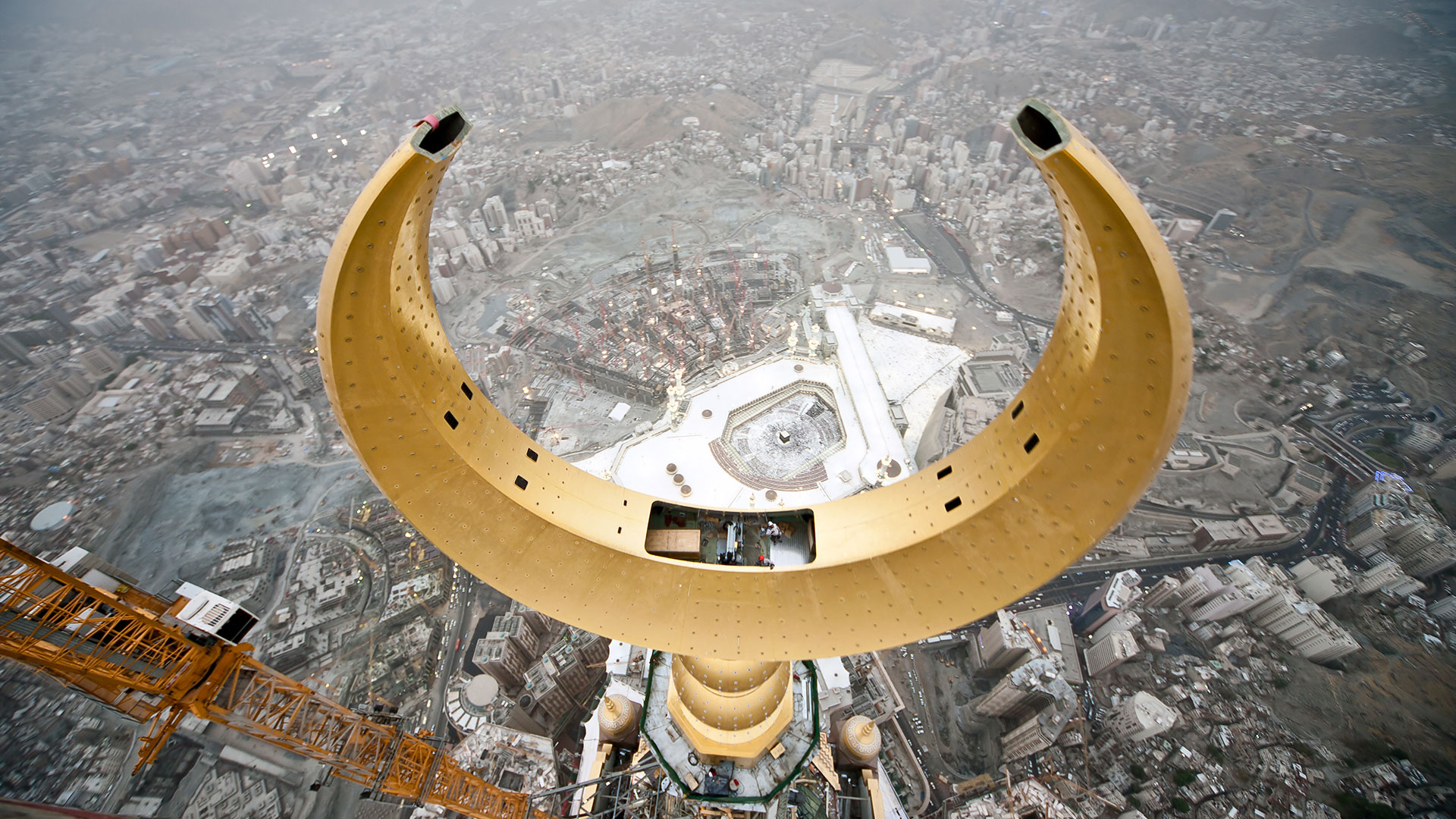
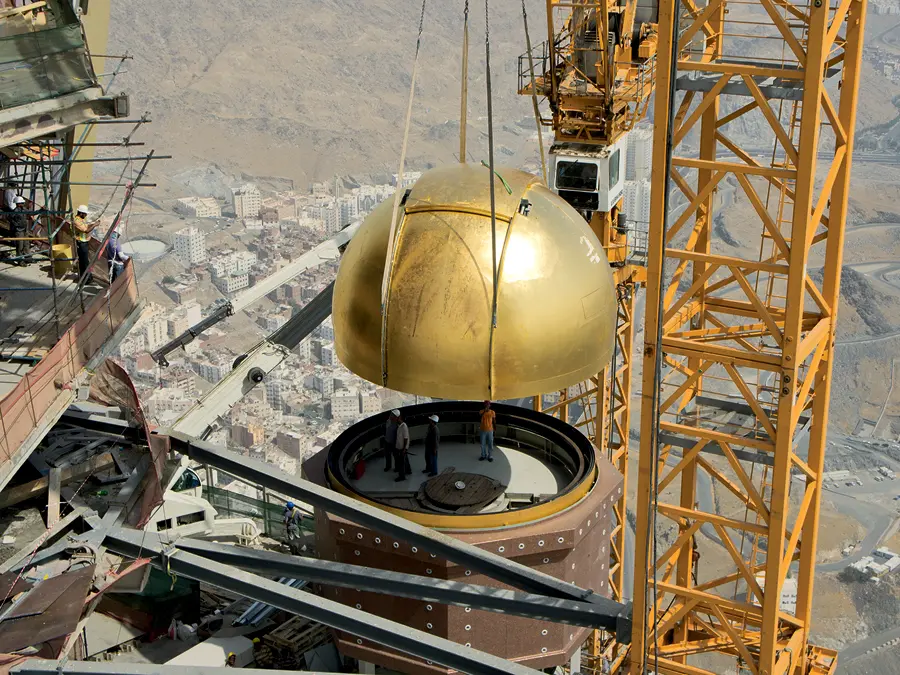
Above the clock sits one of the tower’s most unusual features: the “glass jewel,” described by the architect as a faceted diamond-like crown. It contains around 3,000 square meters of glass, with panels 65 millimeters thick designed to withstand high wind loads. Solar collectors were installed in its tip to power the four clock units, linking the tower’s dramatic crown to a practical system of operation.
Above that rises a 45-meter spire, topped with a golden crescent. SL Rasch describes the crescent as 23 meters high, covered with 1,050 square meters of gold mosaic, and formed as a monocoque structure made entirely of carbon fibre. Saudi endowment sources also refer to it as the largest Islamic crescent in the world. Few elements on the tower combine symbolism and engineering so clearly. The crescent completes the building visually, while also expressing its sacred setting in unmistakable terms.
What Lies Behind the Clock?
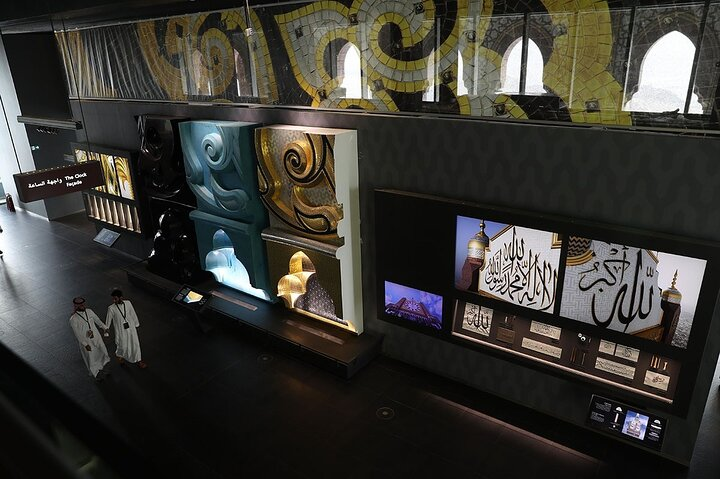
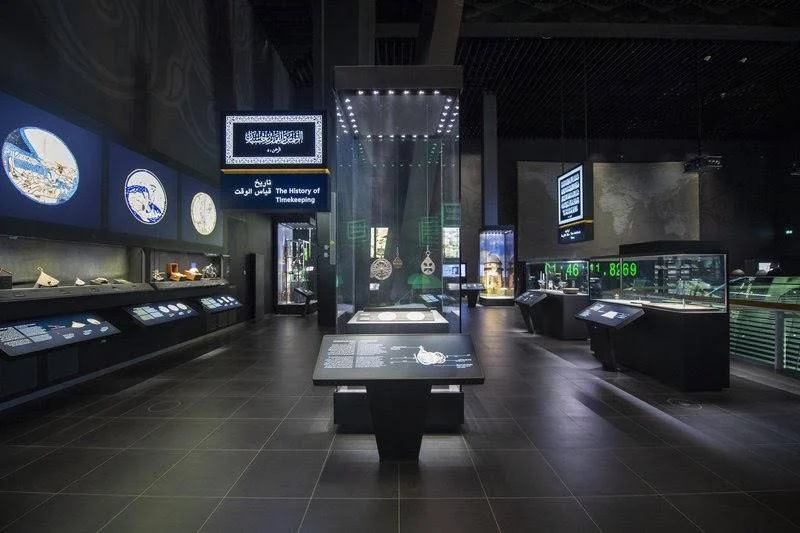
The title “Clock Tower” suggests an exterior object. The reality is richer. According to SL Rasch, the space behind the clocks contains a four-storey facility with public exhibition rooms and a cosmology research centre. It presents the development and construction of the tower, the history of Islamic time measurement, and the history of the Qur’an. These hidden spaces give the building a second life inside, one that is more educational and contemplative than many would expect from the skyline alone.
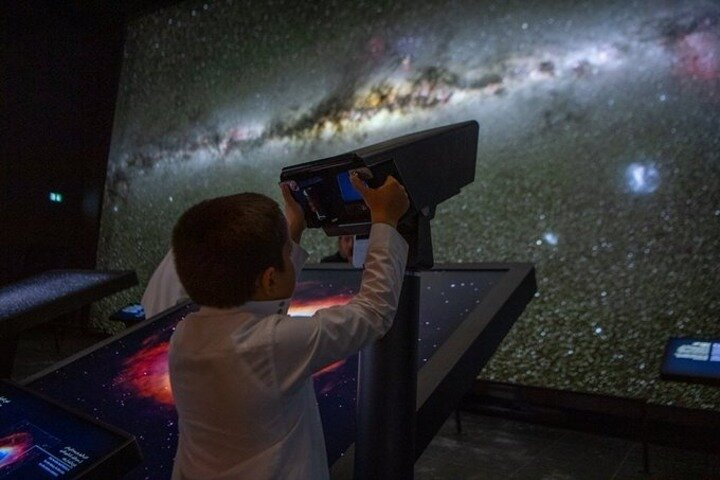
This interior dimension connects closely with the visitor experience promoted today. The Clock Tower Museum is a place where faith, science, and the universe meet, with panoramic views overlooking Al-Masjid Al-Haram. That framing helps explain why the tower continues to attract interest beyond architecture. Its hidden levels are designed not only to impress but to interpret time, knowledge, and the city around them.
The Makkah Time Institute and Lunar Center
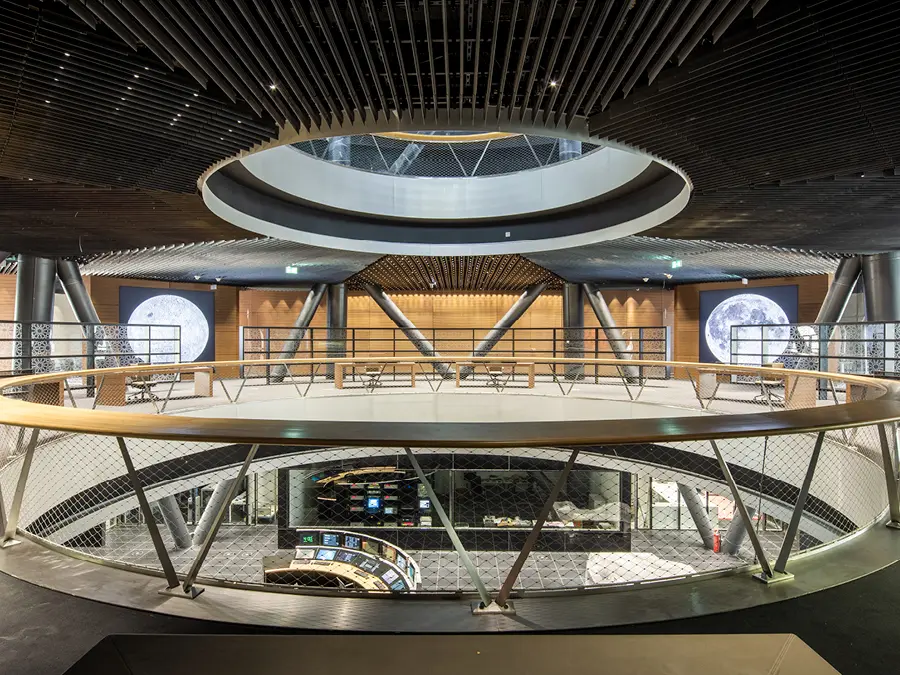
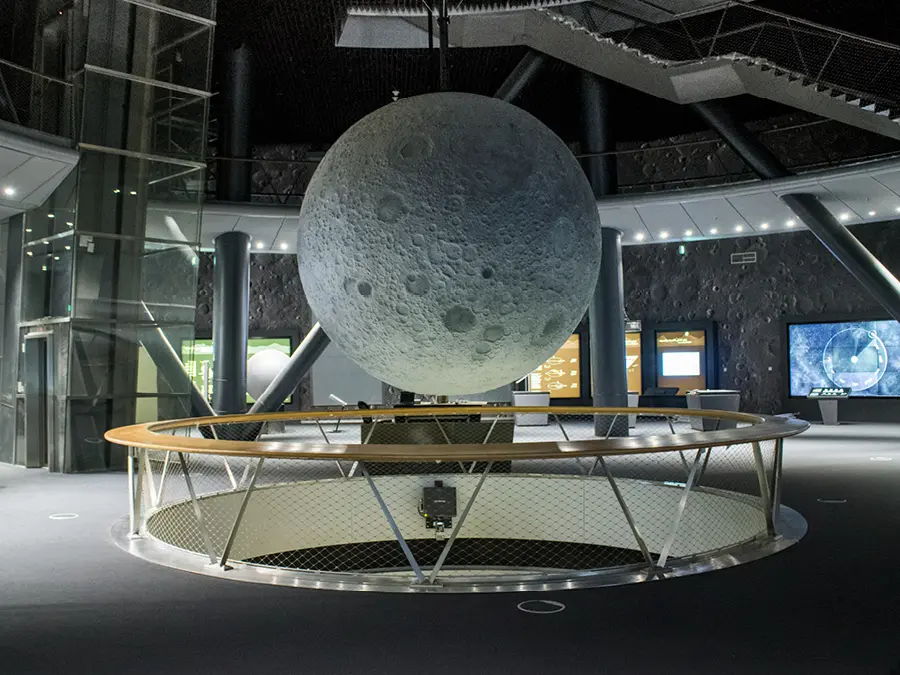
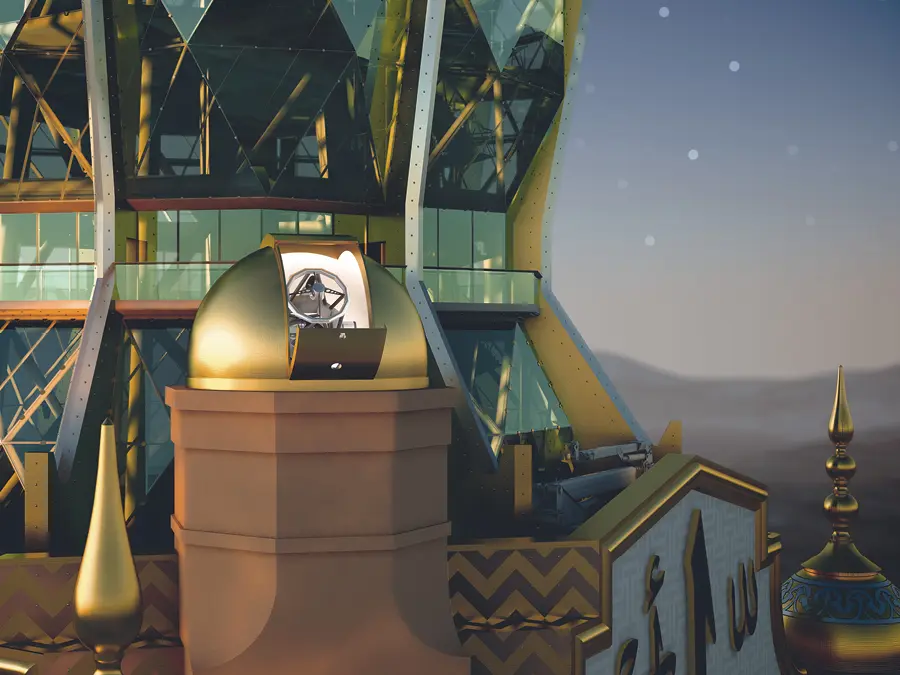
Among the most intriguing spaces in the upper levels of the Makkah Clock Tower are the Makkah Time Institute and the Lunar Center. Located high within the tower, this section includes a special observatory for crescent sighting, the Makkah Time Institute, and related facilities. The observatory is equipped with two telescopes, while the space inside the glass jewel was designed to accommodate a lunar committee. Two inclined glass elevators provide main access to this level. The center also features a dedicated scientific exhibition about the Moon, including what is described as the largest and most detailed lunar model created for display.
In Islam, time is never only a matter of measurement. It shapes prayer, fasting, the lunar calendar, and the daily rhythm of devotion. By housing exhibitions on Islamic timekeeping and placing a monumental clock above the Holy City, the tower turns that relationship into architecture. This is part of what gives the building its cultural power. It stands at the meeting point of sacred routine, global Muslim attention, and modern technical ambition.
More Than a Landmark
The Makkah Clock Tower is more than a feat of scale. It is a building shaped by faith, function, and the needs of a city that welcomes millions. Behind its clock faces, mosaics, crescent, and hidden institutions lies a larger story about how Makkah continues to grow while remaining rooted in its sacred purpose. In that way, the tower is not only part of the skyline. It is part of the modern story of the Holy City.
Curious for More Cultural Gems Like This?
Subscribe to Saudi Cultures for weekly updates on events, heritage, and voices across the Kingdom.