In Saudi Arabia, the Soudah Peaks stand in the highlands of Aseer as a place where forests, stone villages, wildlife, and old traditions still shape the meaning of the land. Far from the familiar image of endless desert, this mountain region carries a different story. One of cloud forests, juniper trees, heritage sites, and communities whose identity has long been tied to the highlands. In Soudah, nature and culture live side by side.
At 3,015 meters above sea level, Al-Soudah Mountain is the highest peak in Saudi Arabia and rises higher than the tallest mountain peaks in Australia, Germany, and Greece!
A Mountain World of Forests, Water, and Clouds
The natural environment of Soudah Peaks is one of its defining features. Juniper trees, flowing water, cloud forests, notable geological formations, and a mountain habitat rich in wildlife all help create a landscape that feels layered rather than empty, shaped by weather, altitude, and time.
Juniper stands at the center of that identity. It is often described as the most important tree in Soudah. When part of a juniper tree falls, people gather it and spread it around the house for its pleasant smell. That small image says a great deal. It shows how a forest becomes part of domestic memory, how nature enters everyday life not as decoration but as familiarity.
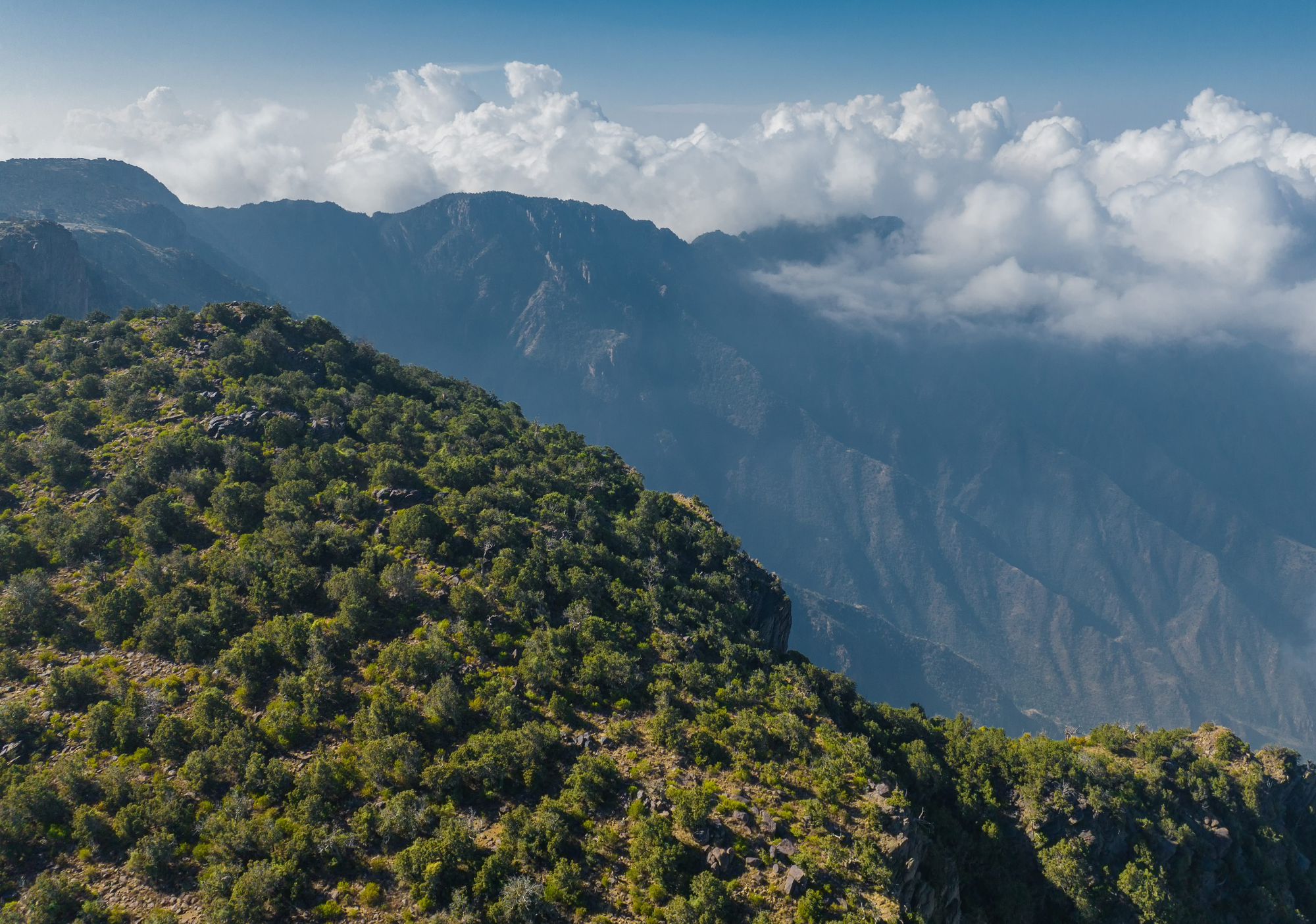
Water also changes the feeling of the place. Flowing almost all year round, it supports habitats for smaller species and gives life to the mountain environment. Alongside cloud cover and rugged geological features, this gives Soudah a quiet richness. It is not only dramatic from a distance. It is textured up close.
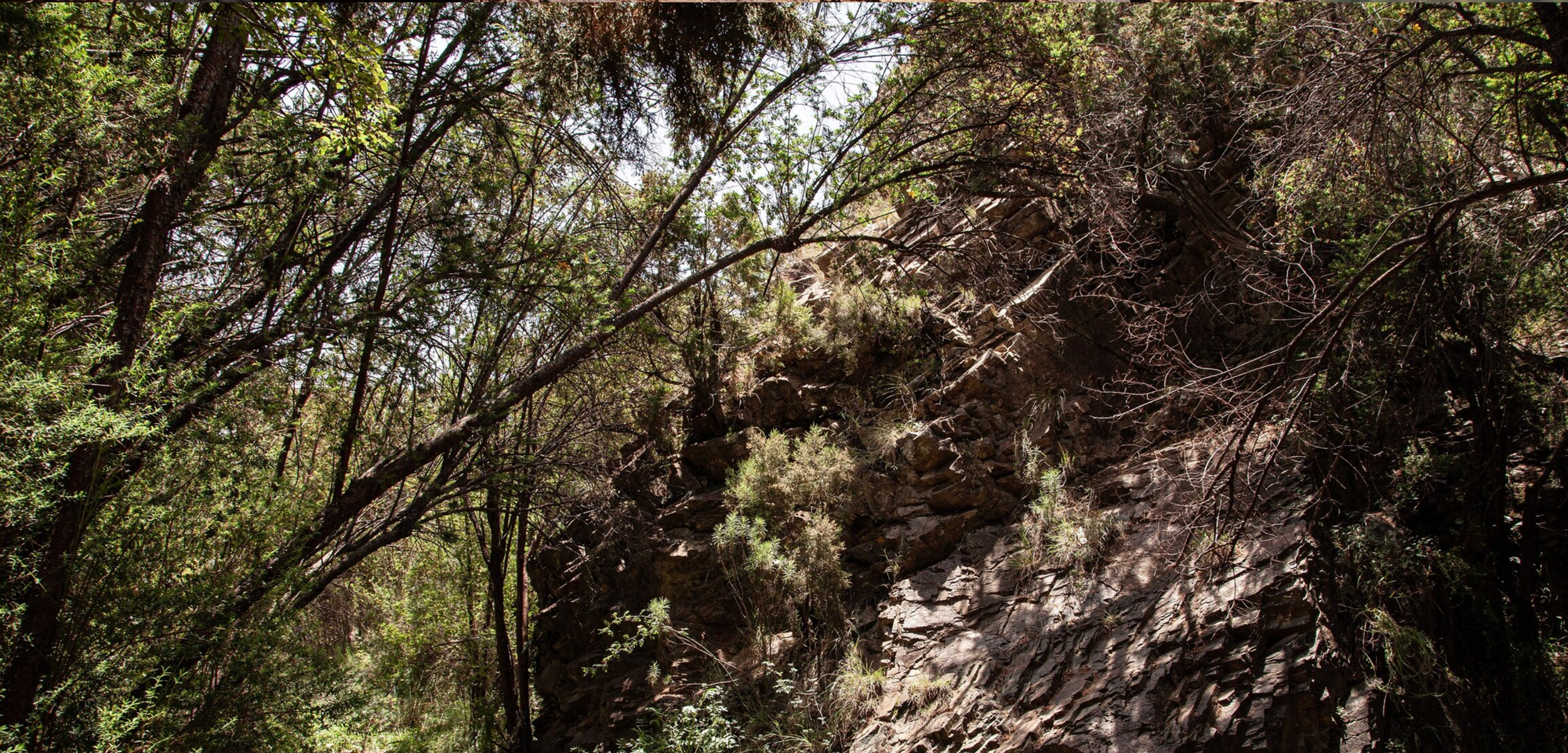
Soudah is known for its juniper forests, which help give the highlands their distinct character, scent, and visual identity.
Architecture and Identity in Aseer
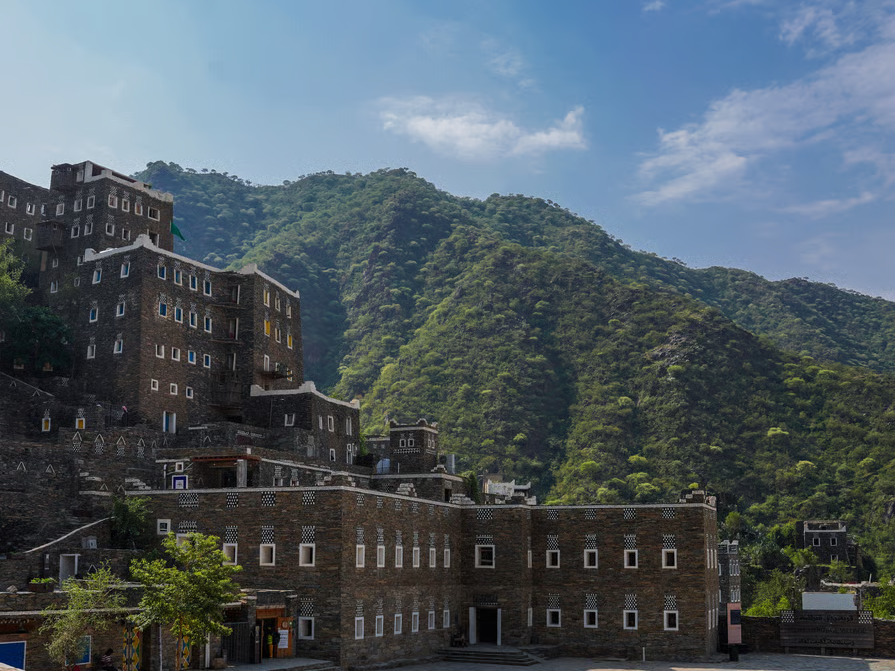
The mountains shaped not only the landscape, but the way people built within it. In Soudah and the wider Aseer region, traditional architecture draws on stone, clay, wood, and local knowledge of terrain and climate. These structures feel inseparable from the land because they were made in conversation with it.
This architectural world reaches one of its clearest expressions in nearby Rijal Alma, where multistory buildings of stone, clay, and wood rise with fortress-like presence. Thick walls, small windows, and decorative details reflect both practicality and beauty. In the highlands, architecture has long carried more than shelter. It has carried memory, defense, identity, and belonging.
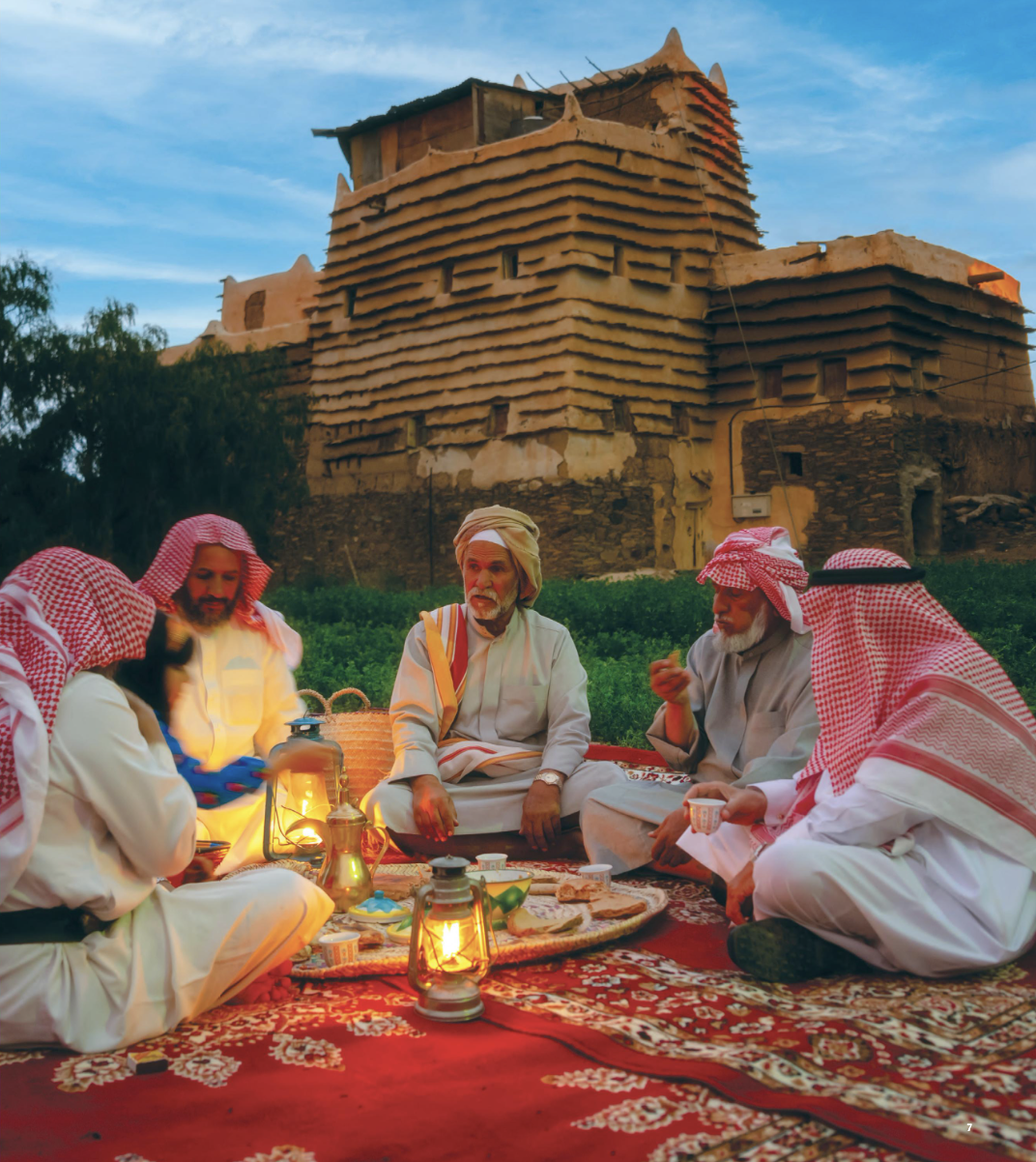
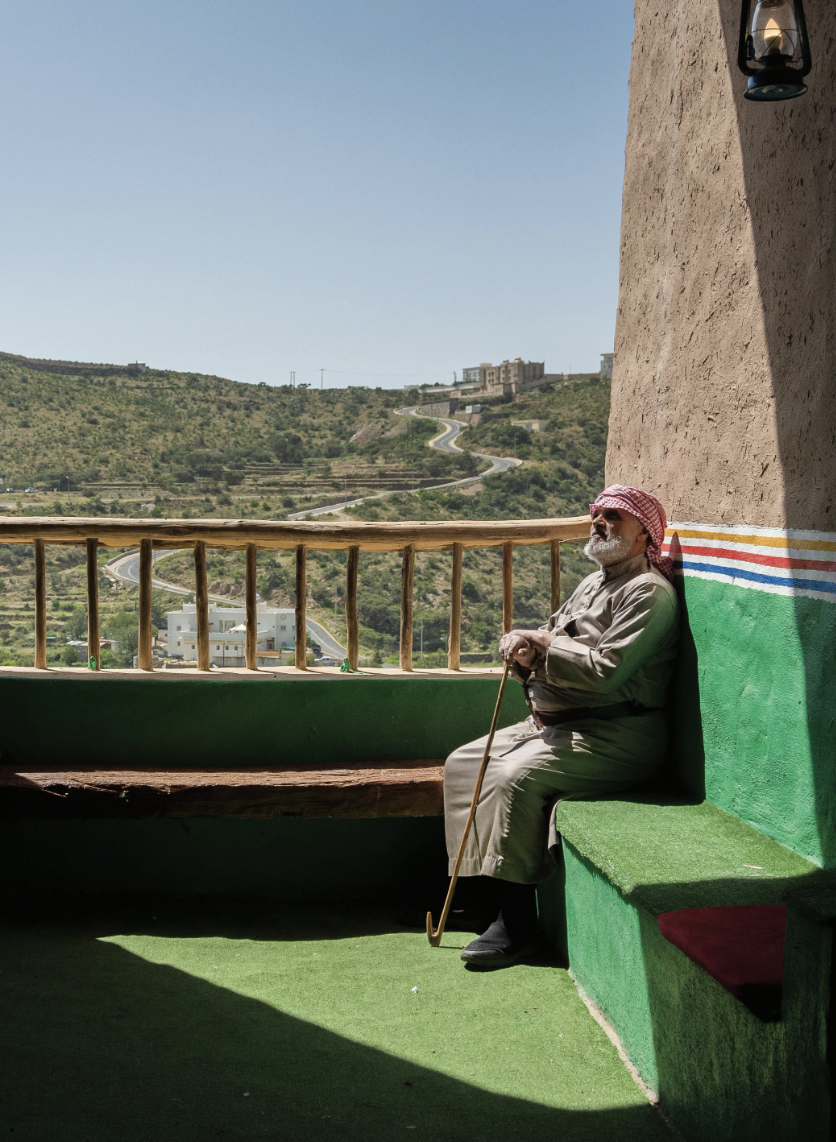
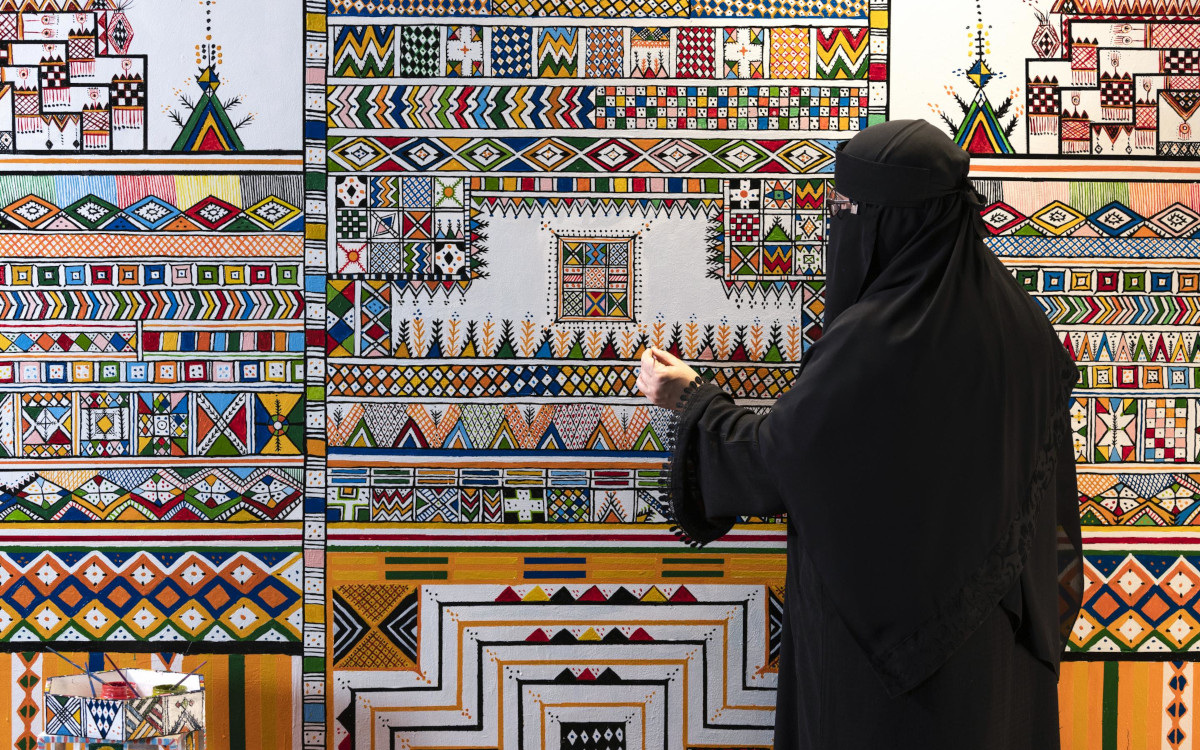
The cultural identity of Aseer also appears in its visual language. Al-Qatt Al-Asiri gives interior spaces color, rhythm, and meaning, showing that beauty in the region has never been limited to the outside of a building. In Aseer, heritage lives on walls, within guest rooms, and across the ordinary spaces of welcome.
The Flowermen and the Social Life of the Highlands
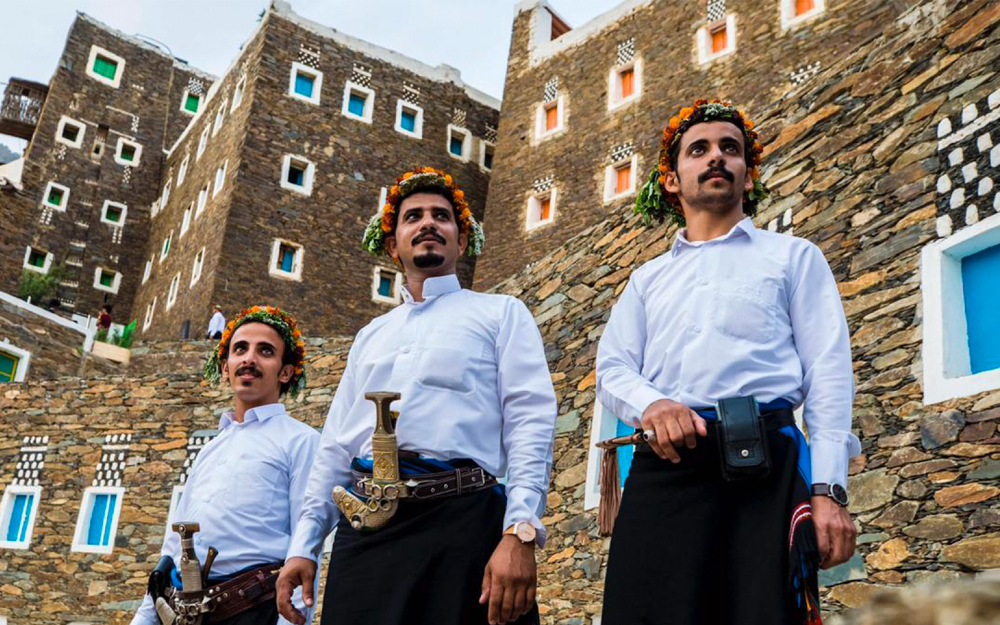
Soudah’s culture also lives in what people wear, gather around, and celebrate together. Among the region’s most striking cultural expressions are the Flowermen, whose black garments embroidered with gold, floral crowns, and group gatherings reflect a visual and social identity rooted in the highlands. Their flower crowns, known as essabah, are made from herbs and flowers such as jasmine, wild basil, fenugreek, and marigold. These crowns carry both beauty and function. Historically, they offered protection from the sun.
Today, they remain part of weddings, celebrations, and the visual identity of the region. In them, the mountain becomes something worn as well as inhabited. This is one of the most distinctive features of Soudah’s cultural world. The landscape does not stay outside. It enters dress, ritual, and celebration.
Honey, Aromatic Plants, and Coffee
In Soudah and the wider Aseer highlands, culture is carried not only in stone and color, but also in taste and fragrance. Honey has long been part of mountain life, shaped by beekeeping traditions and the flowering plants of the region. Aromatic herbs and plants add another layer to that identity, filling homes and gatherings with scents tied closely to the land. Coffee belongs to this sensory world as well, linking the highlands to hospitality, cultivation, and shared moments of pause.

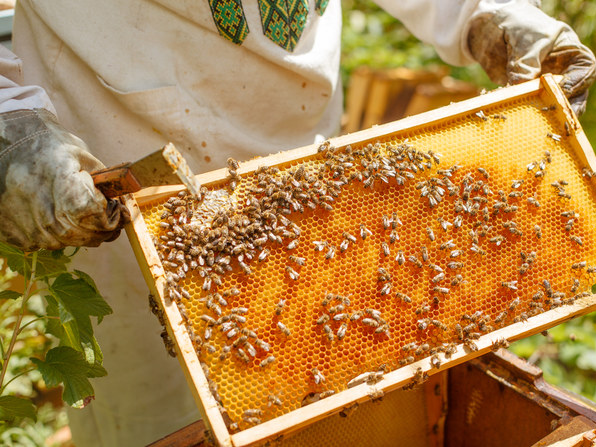
Together, these elements give the mountains a cultural atmosphere that can be tasted, smelled, and remembered. In Aseer, the land enters daily life through more than its views. It appears in the sweetness of honey, the fragrance of aromatic plants, and the warmth of coffee served in welcome.
Coffee has deep roots in Saudi Arabia’s southwestern highlands.
Aseer is one of the provinces associated with coffee cultivation, and Soudah Development has partnered with Saudi Coffee Company to support coffee cultivation in the Soudah Peaks project area. It is one more sign that the region’s heritage is not frozen in the past. It continues through living agricultural traditions.
Food, Hospitality, and Everyday Continuity
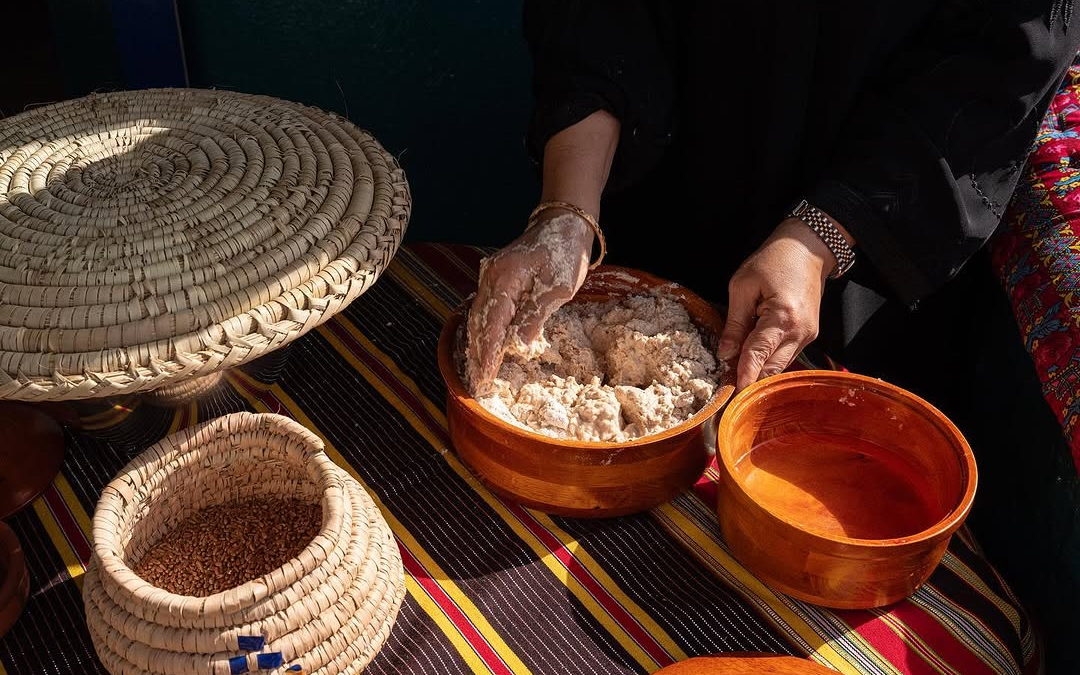
The cultural life of Soudah also survives through food. Traditional dishes such as aseed, prepared with dough, ghee, and honey, speak to a mountain culture shaped by nourishment, labor, and hospitality. Cooking here is not only about sustenance. It is also about continuity. These foods connect the home to the field, the family to the land, and one generation to the next. In a place like Soudah, heritage is not only seen in old walls or historic villages. It is also prepared in kitchens, shared in gatherings, and remembered through taste.
Villages, Terraces, and Mountain Labor
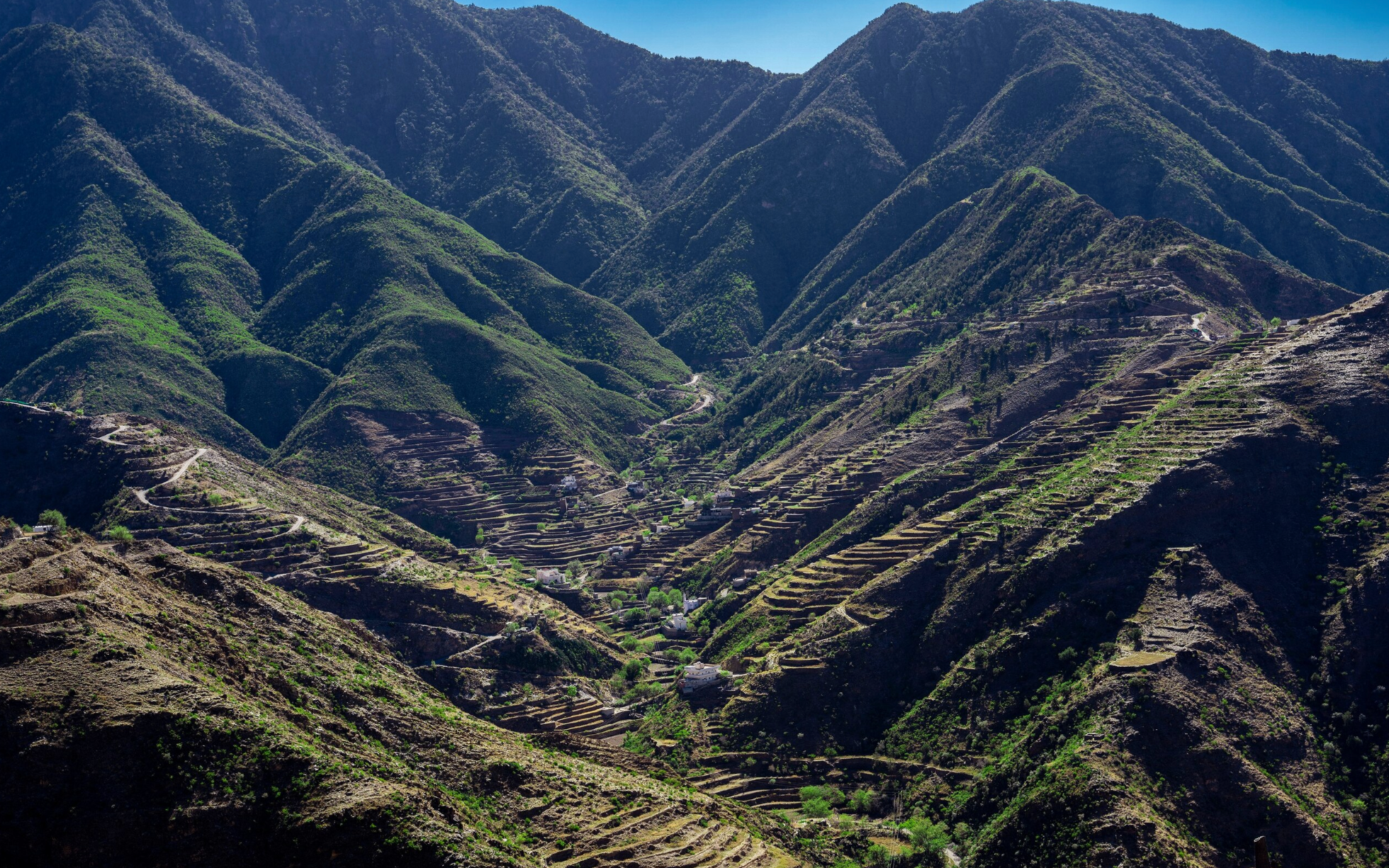
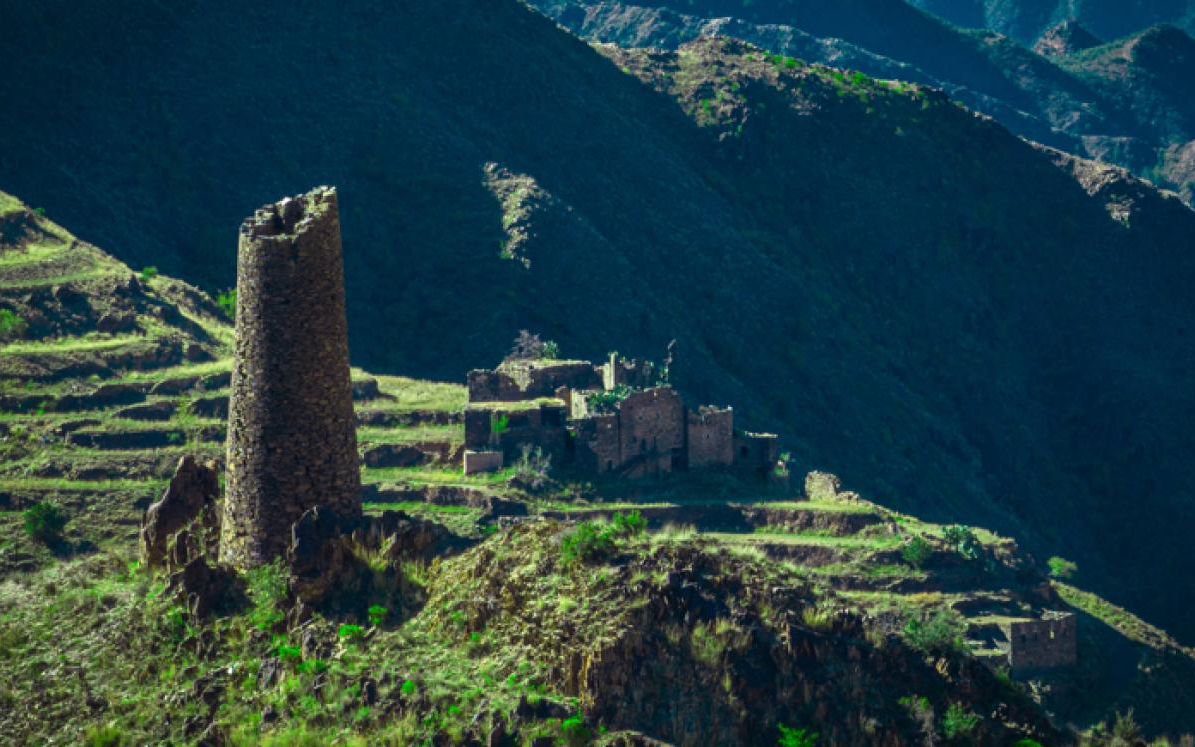
Soudah’s highlands are also a cultural landscape of terraces, paths, watchtowers, granaries, and old villages. These features reveal how people lived with the mountain rather than against it. Rain-fed farming, clustered homes, and elevated watchpoints reflect a long relationship with altitude, weather, and protection.
Old villages such as Al Sakran stand as reminders that the highlands were not simply admired from afar. They were worked, cultivated, defended, and inhabited. Terraces shaped the slopes into productive land, while villages and granaries made survival possible in a demanding environment. This is part of what gives Soudah such depth. Its beauty was never separate from human effort.
Wildlife in the Highlands
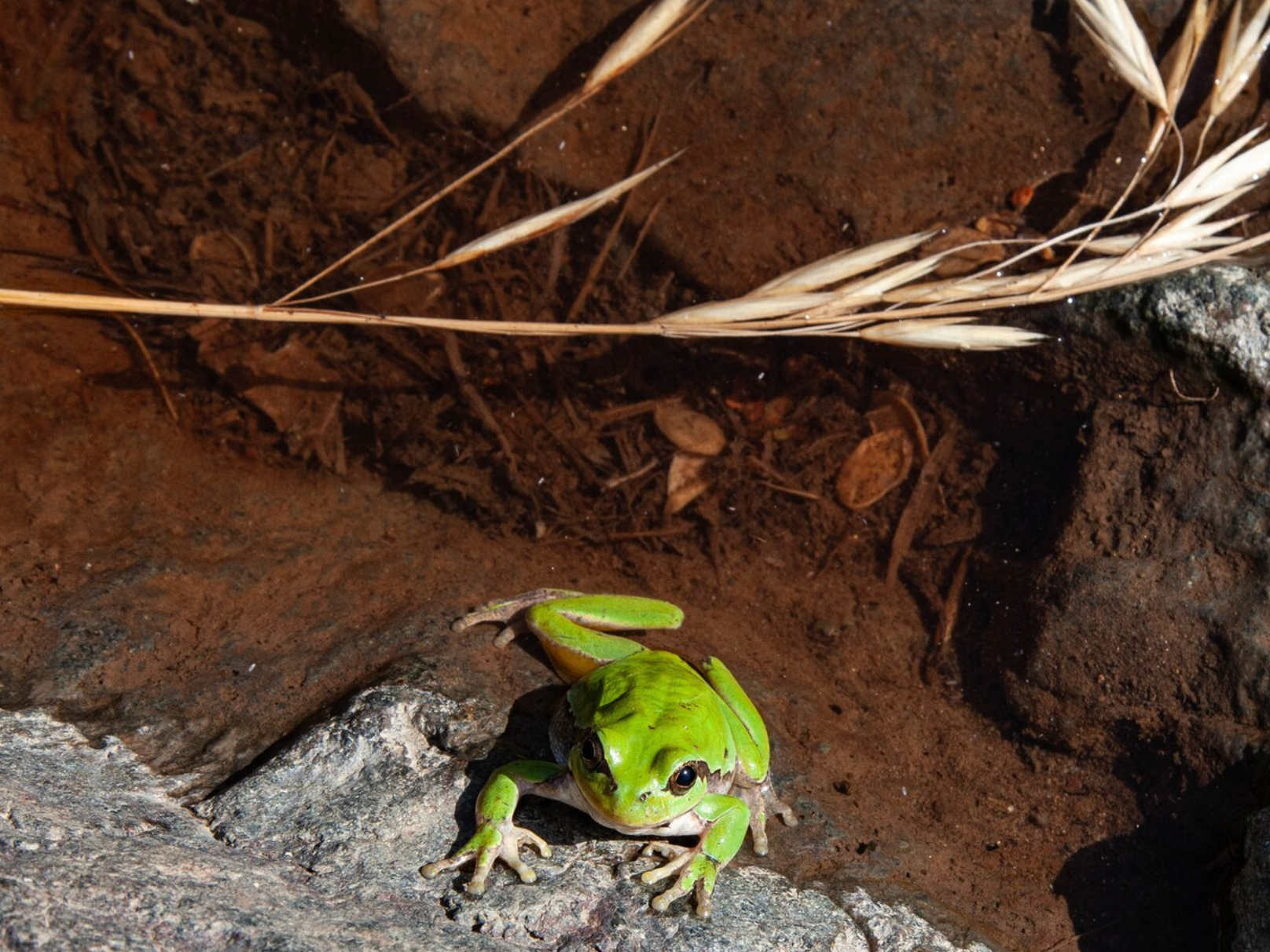
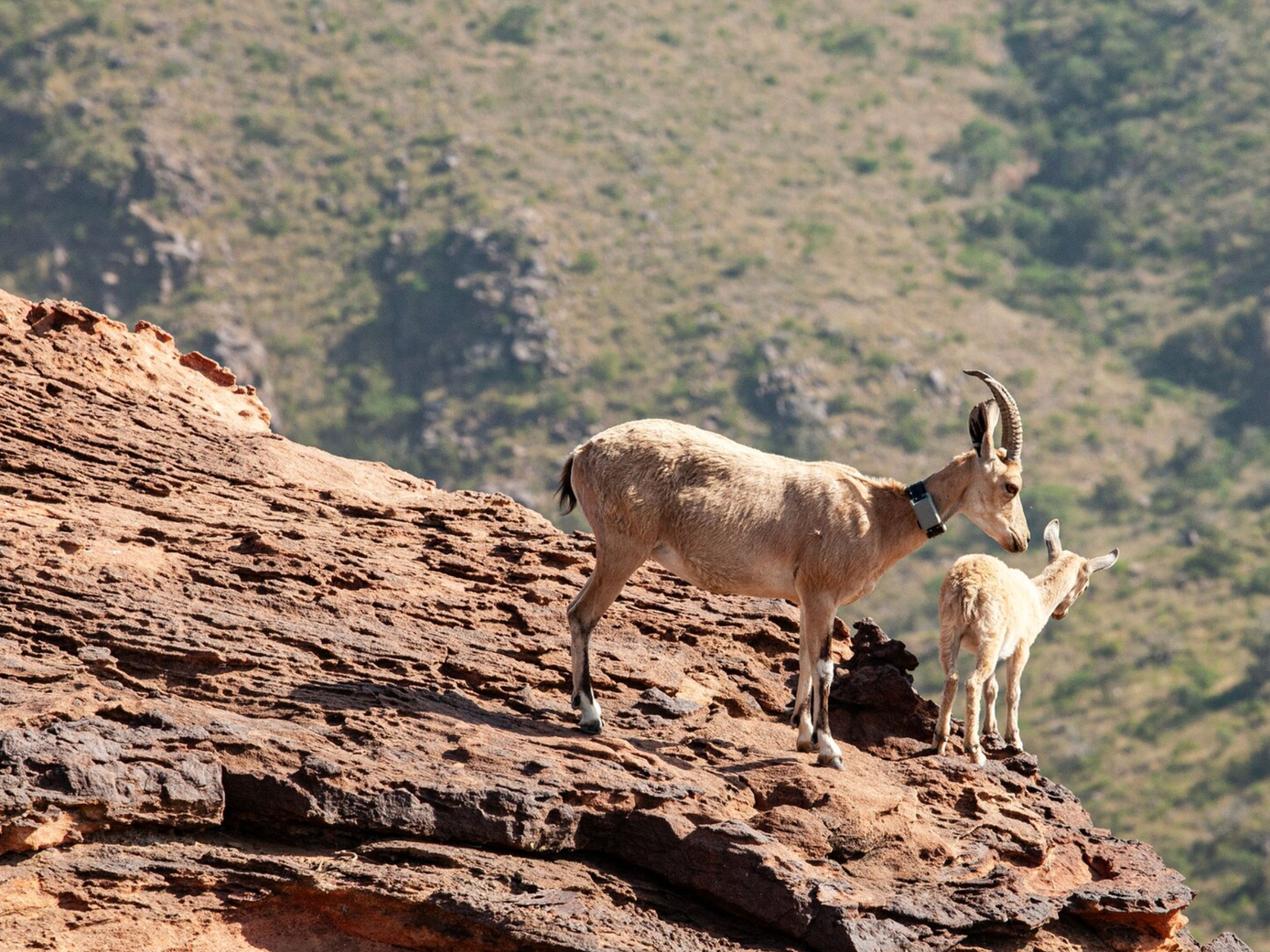
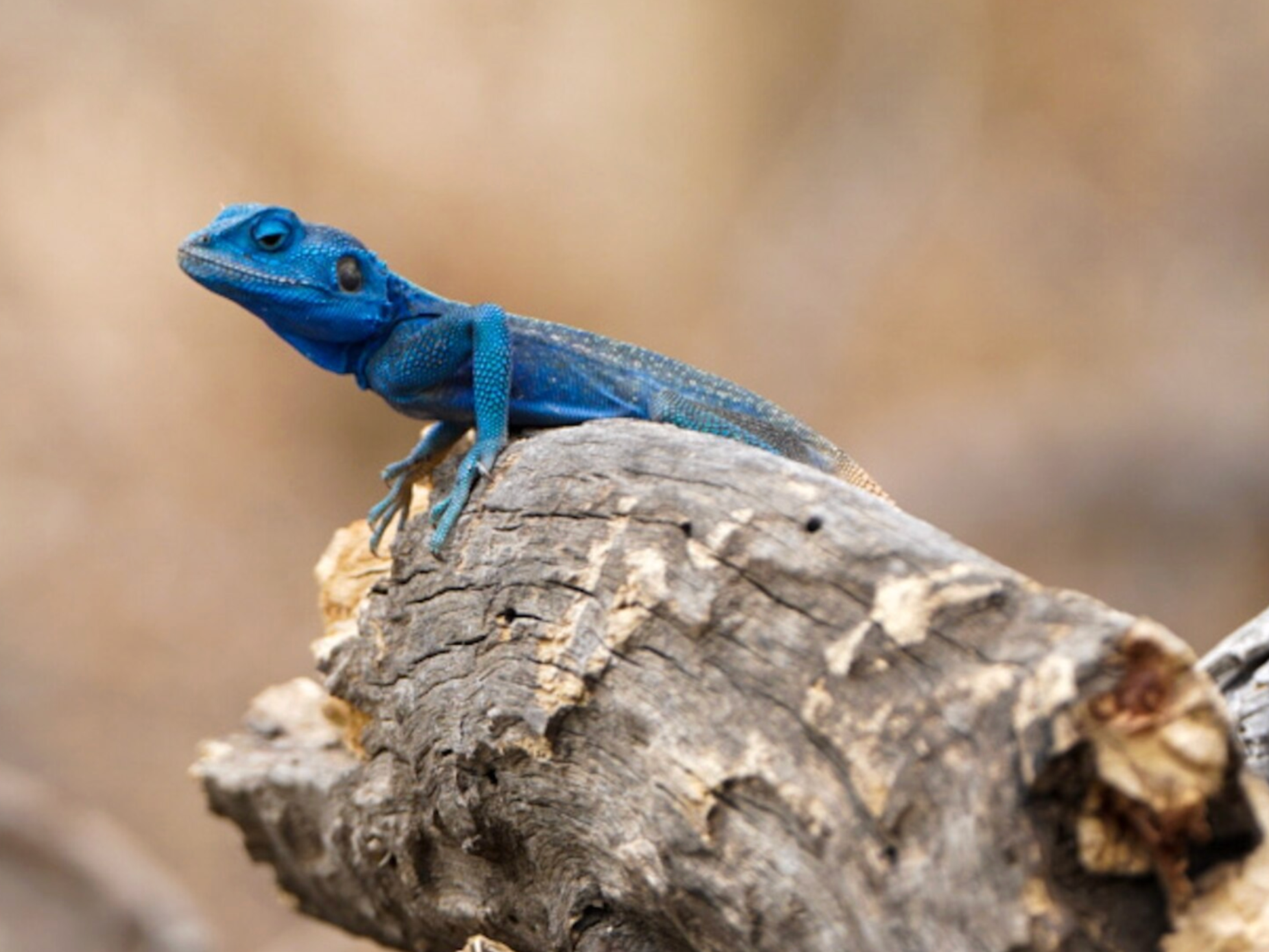
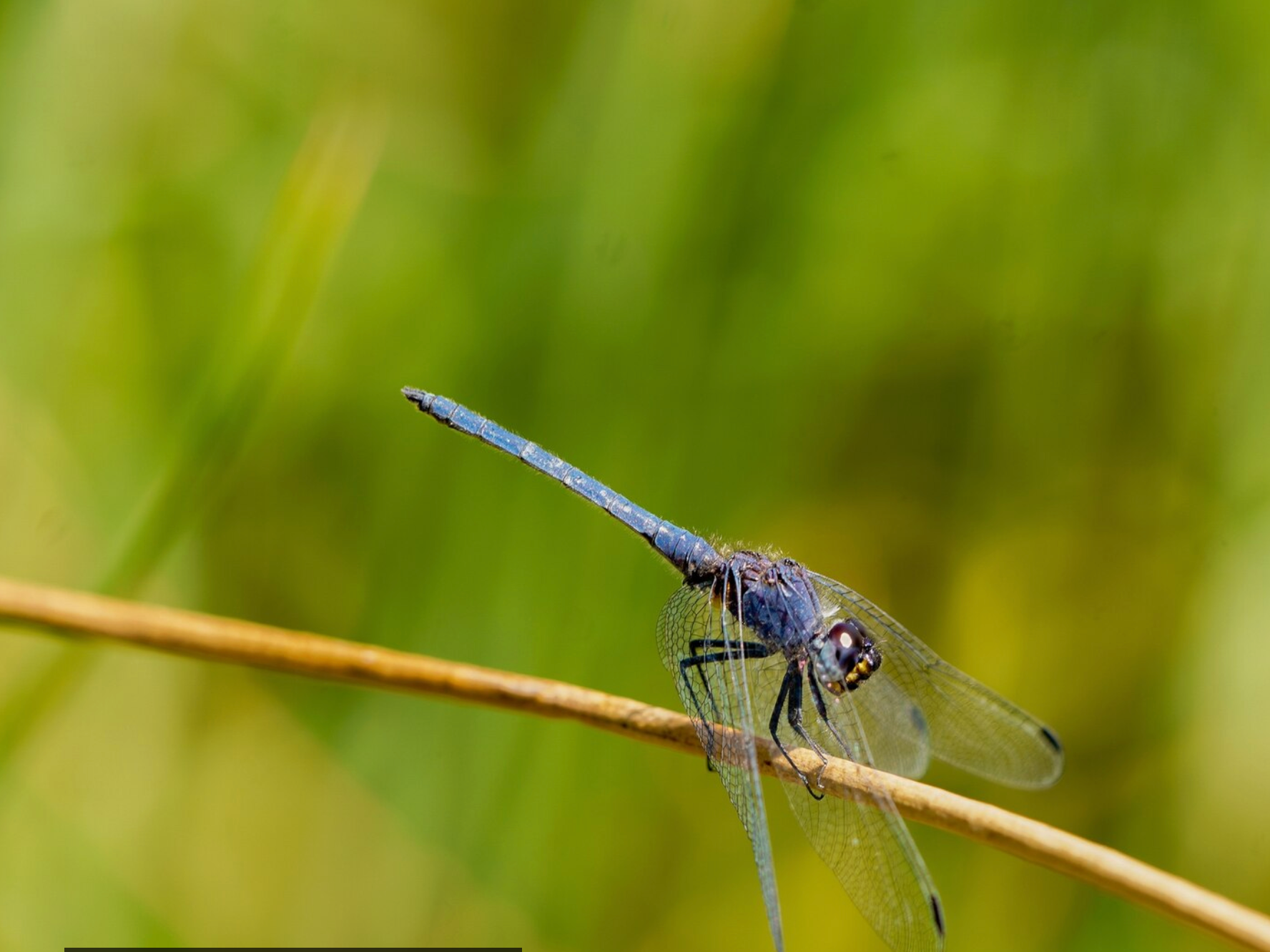
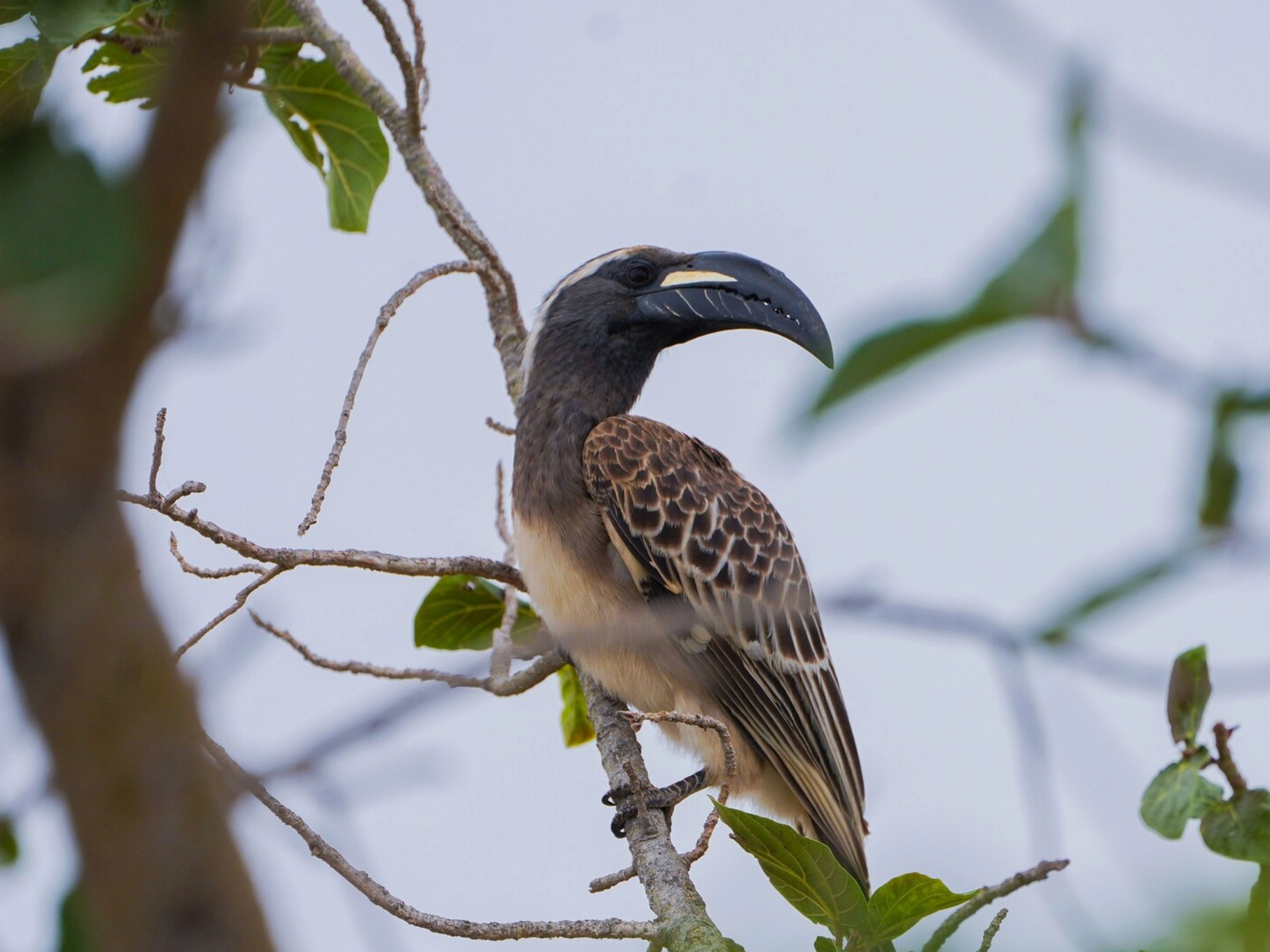
Soudah is also known as a place of remarkable biodiversity. Among the species associated with the area are common kestrel, rare endemic dragonflies, Arabian tree frogs, African gray hornbills, baya, streaked and Rüppell’s weavers, rock agama, and Nubian ibex. Together, they form part of a living mountain environment that feels active and layered. Some of the most memorable details come from the smaller creatures. The frogs, for example, are described as disappearing in winter during the dry season and returning when the rainy season begins. That rhythm gives the landscape a sense of hidden life, as though the mountain reveals itself in seasons. What matters here is not only the species themselves, but the attitude they invite. Wildlife in Soudah is best understood through patience, observation, and care.
A Vital Corridor for Birdlife
Birdlife adds another dimension to Soudah’s significance. The area is said to support around 240 bird species, including birds that migrate between Africa and Asia. This places Soudah within a wider ecological world of movement and return. The mountain becomes more than a local refuge. It is part of a larger route, a place where seasonal life passes through and settles for a time. That gives the highlands a wider horizon while preserving their local character.
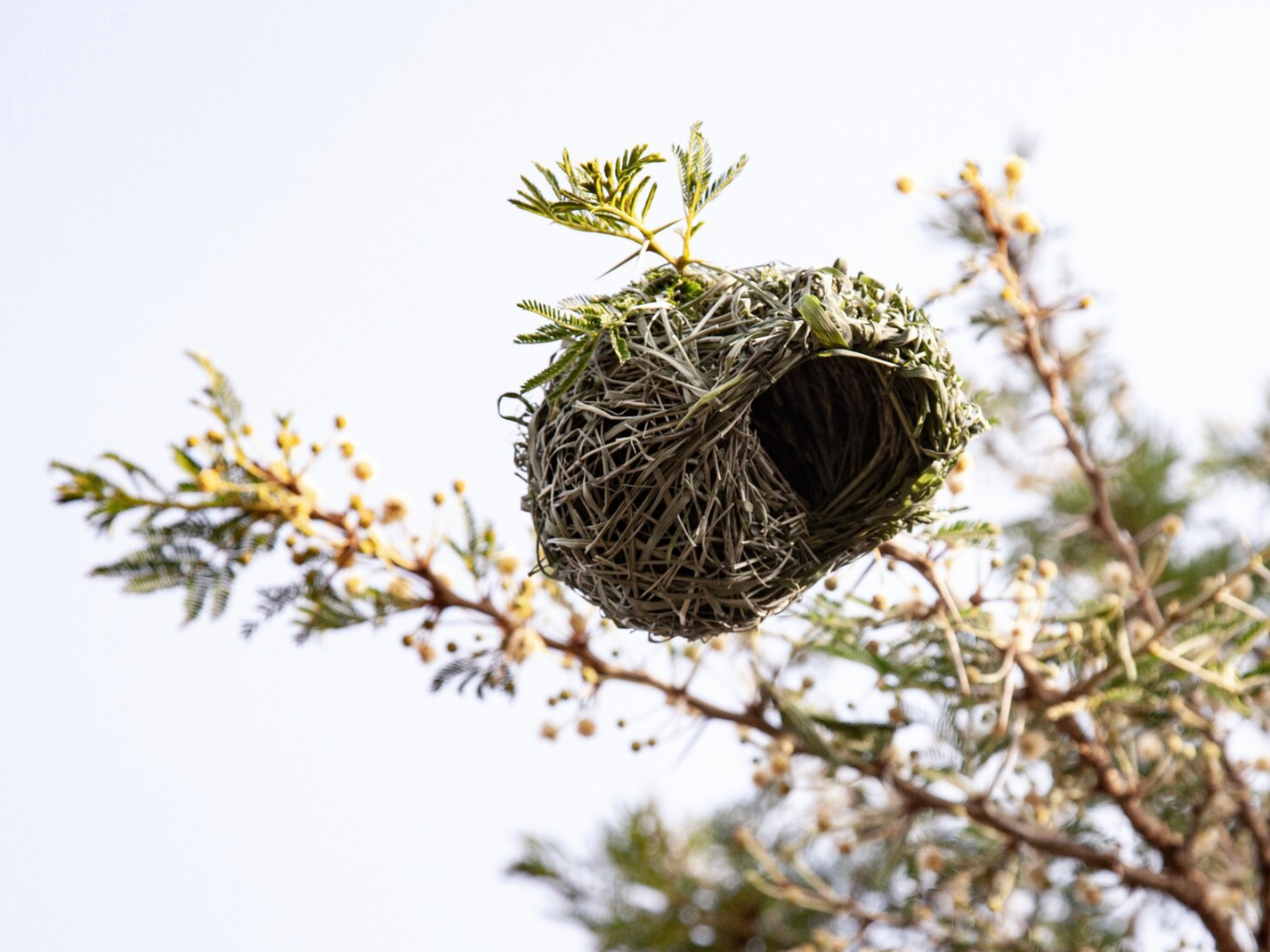
Within this wider setting, Soudah Waterfall stands out as a notable birding hotspot, with 117 species recorded there. Many are drawn by the insect populations that flourish around the water, showing how closely birdlife in Soudah is tied to flowing habitats, vegetation, and mountain climate. The region also supports distinctive canopy-nesting birds such as the baya, streaked, and Rüppell’s weavers, whose basket-like nests hang from the trees, adding another visible sign of life to the highland landscape.
The Six Zones of Soudah Peaks
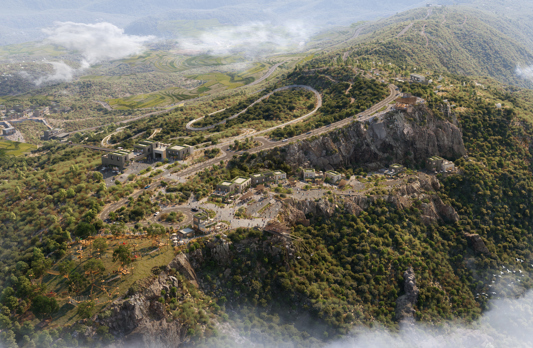
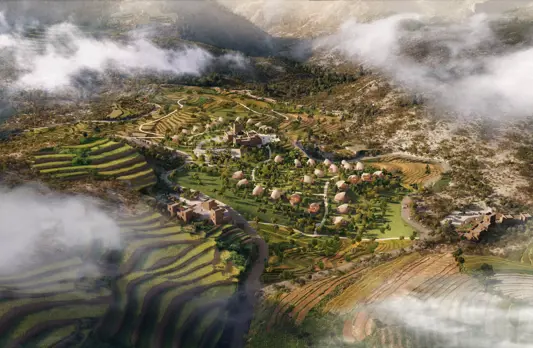
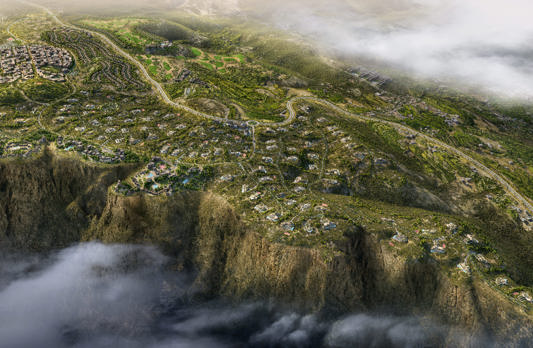
The wider Soudah Peaks plan is organized into six development zones:
- Tahlal
- Sahab
- Sabrah
- Jareen
- Rijal
- Red Rock.
These names help express the breadth of the landscape. Soudah is not one narrow site. It is a mountain region with multiple faces and experiences. Red Rock, in particular, connects neatly with the ibex story. It reminds the reader that planning language and lived landscape can still meet. The zones are not only administrative divisions. They point to the many identities within the highlands themselves.
A Living Heritage, Not a Frozen One
Soudah’s strength lies in continuity. Its heritage is not valuable because it has stood still. It matters because it continues to live through care, adaptation, and local pride. Biodiversity protection, architectural identity, and cultural preservation are part of the same larger effort to keep the region meaningful. That makes Soudah more than a destination. It is a living landscape, one where the future has the best chance of succeeding when it remains in conversation with what is already there.
The Lasting Impact of Soudah Peaks
Soudah Peaks offers more than a view from above. It reveals a highland world where nature and culture remain deeply intertwined, where old villages still speak, and where heritage survives through color, scent, craft, and care. That is what makes Soudah memorable. Its beauty is matched by the life it continues to hold.
Curious for More Cultural Gems Like This?
Subscribe to Saudi Cultures for weekly updates on events, heritage, and voices across the Kingdom.