Malak, the traditional term for the marriage contract ceremony in the Asir region, was the central theme of my conversation with Om Hatem. A native of Rijal Almaa and a devoted keeper of its heritage, she shared memories, customs, and stories passed down through generations of Asiri women. Across two conversations, we explored women’s daily lives, local traditions, and the customs connected to marriage, family, and community life in the region.
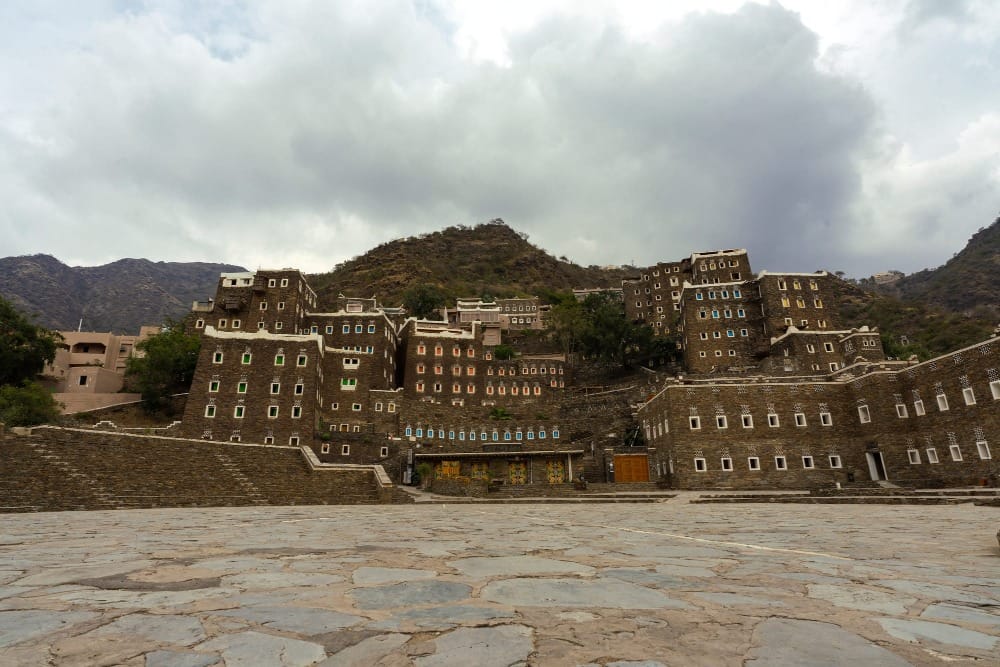
Words are an important part of cultural heritage. They carry meanings, practices, and ways of life that may otherwise be forgotten. Preserving these terms helps future generations understand their history and remain connected to the voices and experiences of those who came before them.
Below are my two conversations with Om Hatem, followed by a collection of words that offer a deeper understanding of the culture and traditions of Asir.
Heritage Terms: Episode 1
|
English |
Arabic |
Definition |
|
Takhreej/Kharajah |
الخّرجة/ تخّريج |
is a process of whitening the edges of the window to make it
noticeable in the dark. |
|
Liyadhah |
اللياطة |
is the white frames of the windows in Ramadan. |
|
Luqma |
لُقمة
|
little bites of dough soaked in sugar syrup. |
|
Kannon |
كانون |
old-fashioned oven built out of mud. |
|
Almaghash |
المَغش |
is a pot made of stone. |
|
Mifa’a |
مِيفا |
it must be built attached to the wall and
stuffed with ashes. |
|
Melhab |
ملهب |
literarily is a flame kitchen. |
|
Bilbilah |
بلبلة |
is a jug with a small-sized opening from the
top. |
|
Minwafah |
منوفة |
it is in the size of a hand, half-circular
fan. |
|
Zanbil |
زنبيل |
small bags. |
|
Makatel |
مكاتل |
big carriers built out of palm fronds. |
|
Algadhadh |
القضاض |
white layer of finishing inside the house. |
|
Ragaf |
رقف |
the slim stones indicate this floor is one
and two and so forth and protect the house from the rain. |
|
Shiekh |
شيخ |
the chief of the tribe. |
|
Arar |
عرعر |
Junipers type of tree
is famous in Asir region. |
|
Marakeb |
مَراكب |
from the trees of Arar Juniper. |
|
Madal |
مَعدل |
is a very thick tree trunk. |
|
Sawari |
سواري |
is a bunch of
thin long tree sticks from Arar tree. |
|
Aljera’a |
الجِراع |
is a bunch of tree branches like trumpets
and they place on top. |
|
Wadfah |
وَدفة |
the mix that
they put on the top of the ceiling (last layer). |
|
Sahar |
صهار |
a process-like cement for the house’s walls from inside. |
|
Algas |
الجَصّ |
the material for Algadhadh process and is found in mountains. |
|
Marjal |
مرجل/تنور |
it is open from above and open from the
front in oval shape. They bake in it quickly and is known as Tanoor. |
|
Al-Qatt
Al-Asiri |
القط العسيري |
is a style of South Arabian art, typically painted by women in
the entrance to a home. In 2017 Al-Qatt Al-Asiri was inscribed on
UNESCO's list of Intangible Cultural Heritage of Humanity. |
Heritage Terms: Episode 2
|
English |
Arabic |
Definition |
|
Malak |
مَلاك |
means
the marriage contract day and it indicates that the marriage has begun. |
|
Souks |
سوق |
is an old traditional market and usually considers a historical
landmark in a region. |
|
Mahlab |
محلب |
is an aromatic spice made from the seeds of a species of cherry. |
|
Metala |
مَتِله |
is made of silver threads. They bring them from Aden in Yamen. It
has similar print to Asiri print on the scarf. |
|
Alisabah |
العِصابة |
A silver headband. |
|
Abu Hilal |
أبو هلال |
is a long
silver necklace in the shape of crescent and made out of silver. |
|
Mushtah day |
يوم
المُشْطَة |
The combing hair day. |
|
Almashitah |
المَاشطة |
the woman who combs the bride’s hair on the Mushtah day. |
|
Henna |
حناء |
Henna is a reddish dye prepared from the dried and powdered
leaves of the henna tree. |
|
Magreb |
مغرب |
is a prayer which is one of the five Muslim’s prayers during the
day and its time is sunset. |
|
Makatel |
مَكاتل |
carriers made of the palm fronds and can be found in Souk
Althulatha’a. |
|
Katayef |
كتايف |
connectors made of pieces of iron to hold the slide wooden-door. |
|
Sofra |
سُفره |
dining room. |
|
Alareesh |
العريش |
Kitchen. |
|
Roshan |
روشن |
named in western region (Jeddah). |
|
Alshana’a / Shana’a |
الشَنعة / شَنعة |
Alshana’a is made out of Almarakeb and is placed on the top of the
main door entrance. |
|
Almarakeb |
المَراكب |
from the trees of Arar Juniper. |
|
Ridfah |
رِدفه |
one slide of door. |
|
Ridfatain |
رِدفتين |
two slides of door. |
|
Dhaba |
ضَبه |
old wooden key. |
|
Alsofli |
السُفلي |
the lowest
level in the house for the cattle (e.g., mules, cows, goats and donkeys). |
|
Aseed |
عصيد |
food made out of flour cooked in water. |
|
Fajer |
فجر |
is a prayer which is one of the five Muslim’s prayers during the
day and its time is sunrise. |
|
Tela’a |
طَلعه |
gift that means to get the patient out of the sick state he is in. |
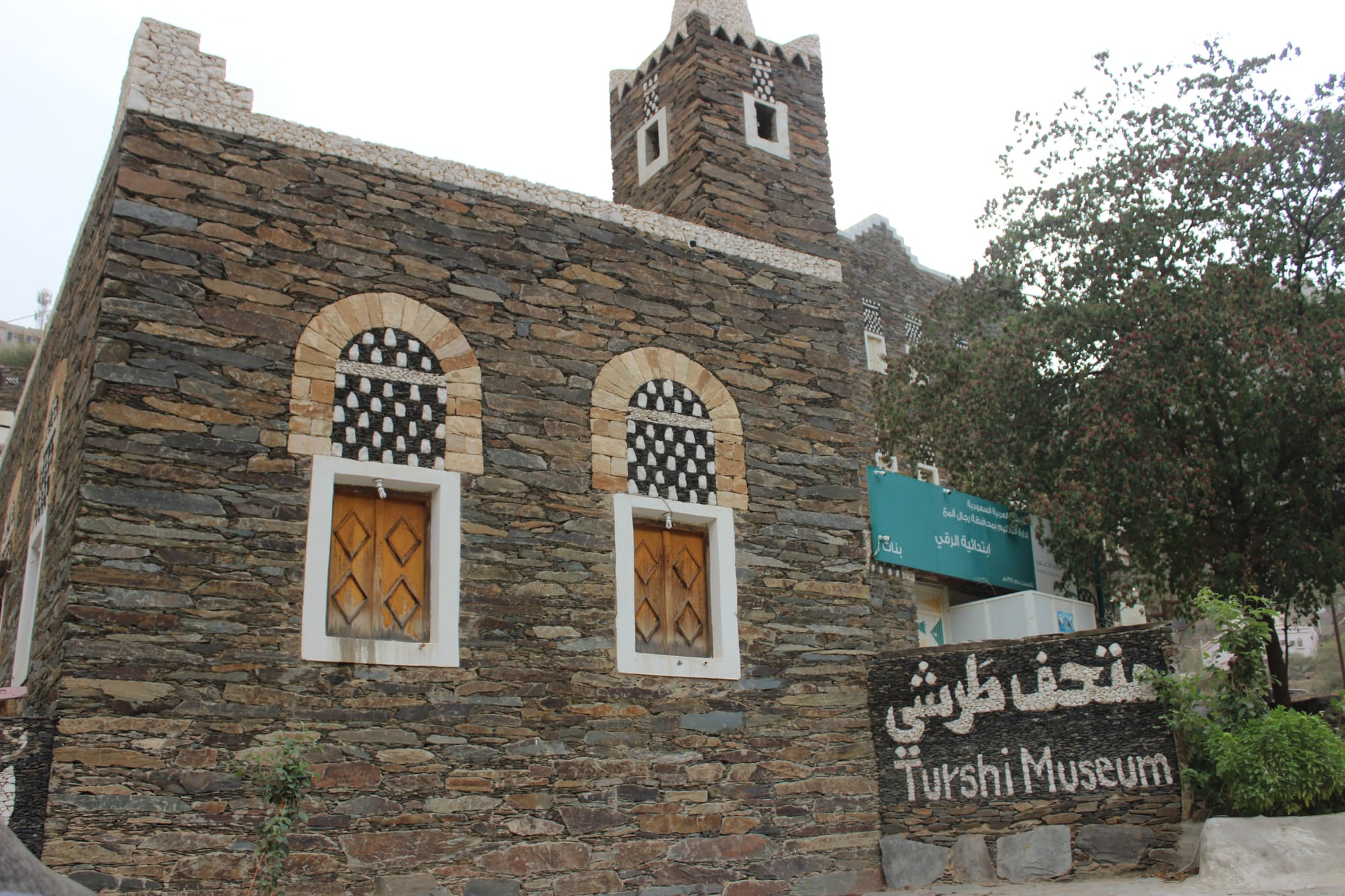
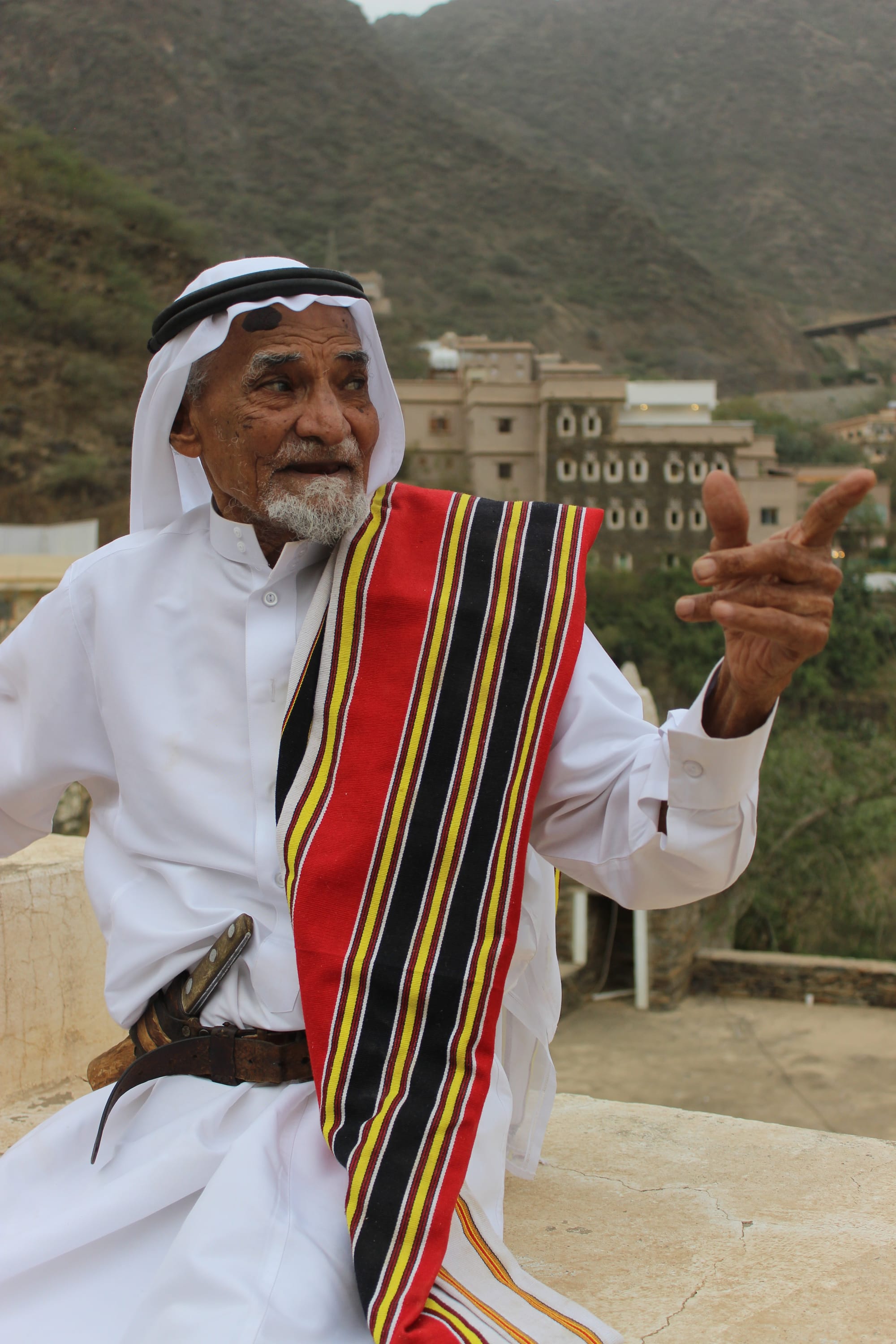
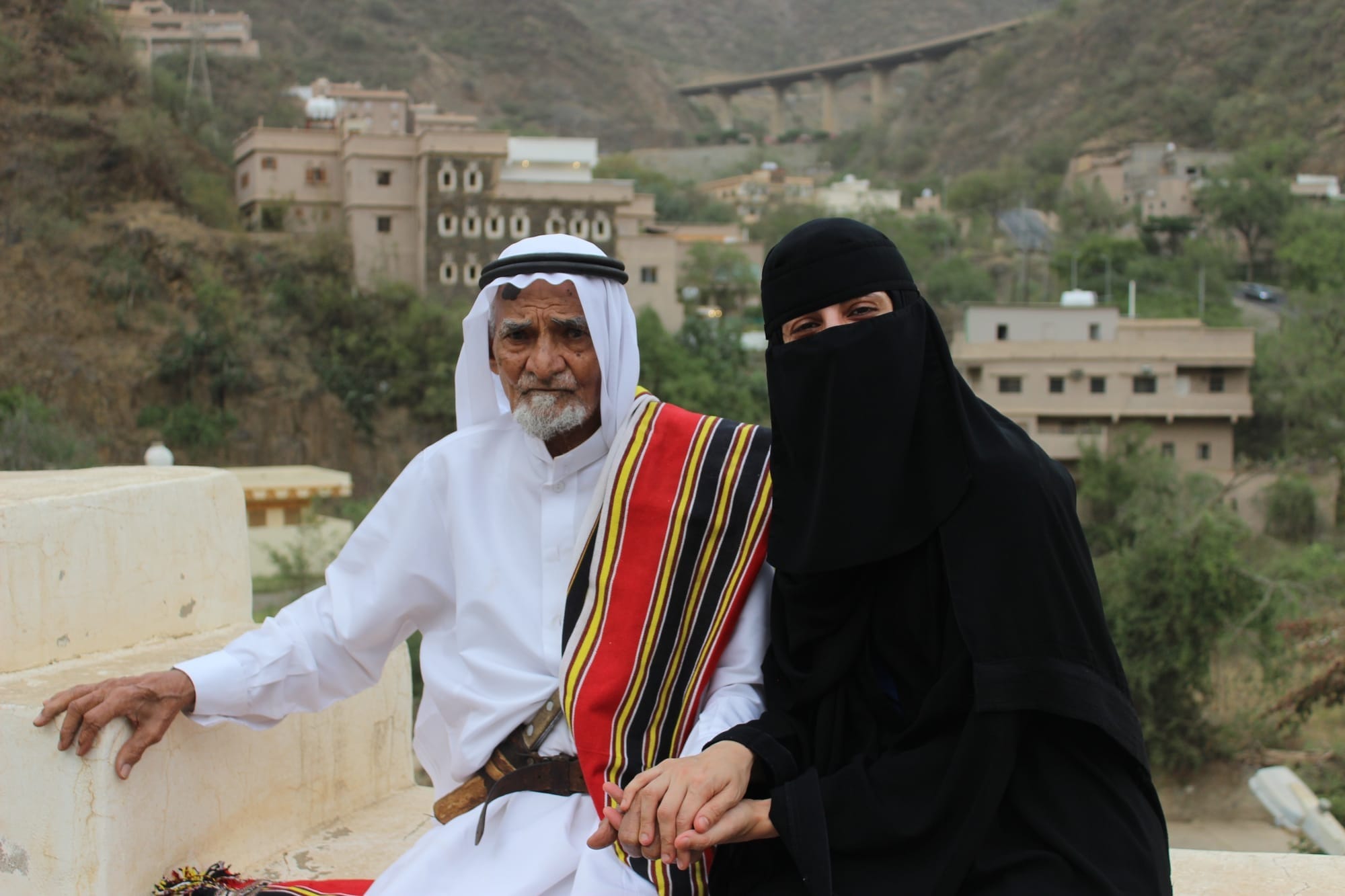
Mohammed Torshi Al Sagheer, Asiri Museum in Rijal Almaa, known by Uncle Torshi or Am Torshi - Heritage Talks: Episode 2.
Preserving the Words That Preserve Us
Words carry the soul of a culture. The authentic expressions passed down through generations preserve the wisdom, values, and identity of those who came before us. As fewer people remember and use these words today, it becomes our responsibility to document them, share their stories, and pass them on so that future generations can remain connected to their heritage and the voices of their ancestors.
Curious for More Cultural Gems Like This?
Subscribe to Saudi Cultures for weekly updates on events, heritage, and voices across the Kingdom.