Saudi Arabia’s cities carry the stories of the Kingdom in different ways. Some are shaped by ancient trade routes and sacred history, while others reflect mountain traditions, coastal life, or the pace of modern growth. Together, they show how Saudi culture continues to live through place, memory, and everyday life.
1) Riyadh: The Heart of Saudi Arabia
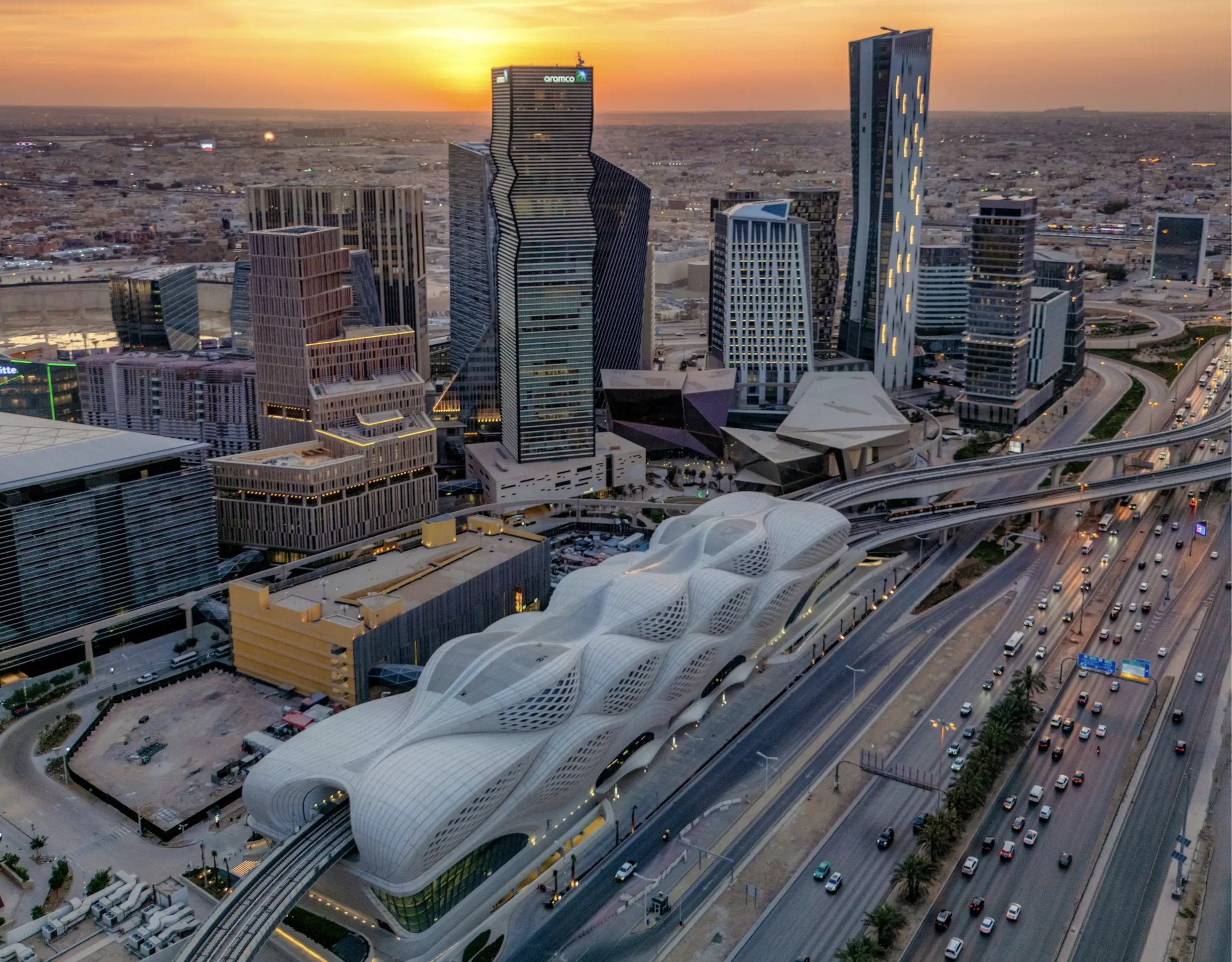
Riyadh, the capital city of Saudi Arabia, is a bustling metropolis where tradition and modernity coexist harmoniously. As the political and administrative heart of the country, Riyadh offers a unique insight into the kingdom's rich heritage and rapid development. Visitors can explore a myriad of attractions, from historical landmarks to contemporary skyscrapers, making it an essential stop on any Saudi Arabian itinerary.
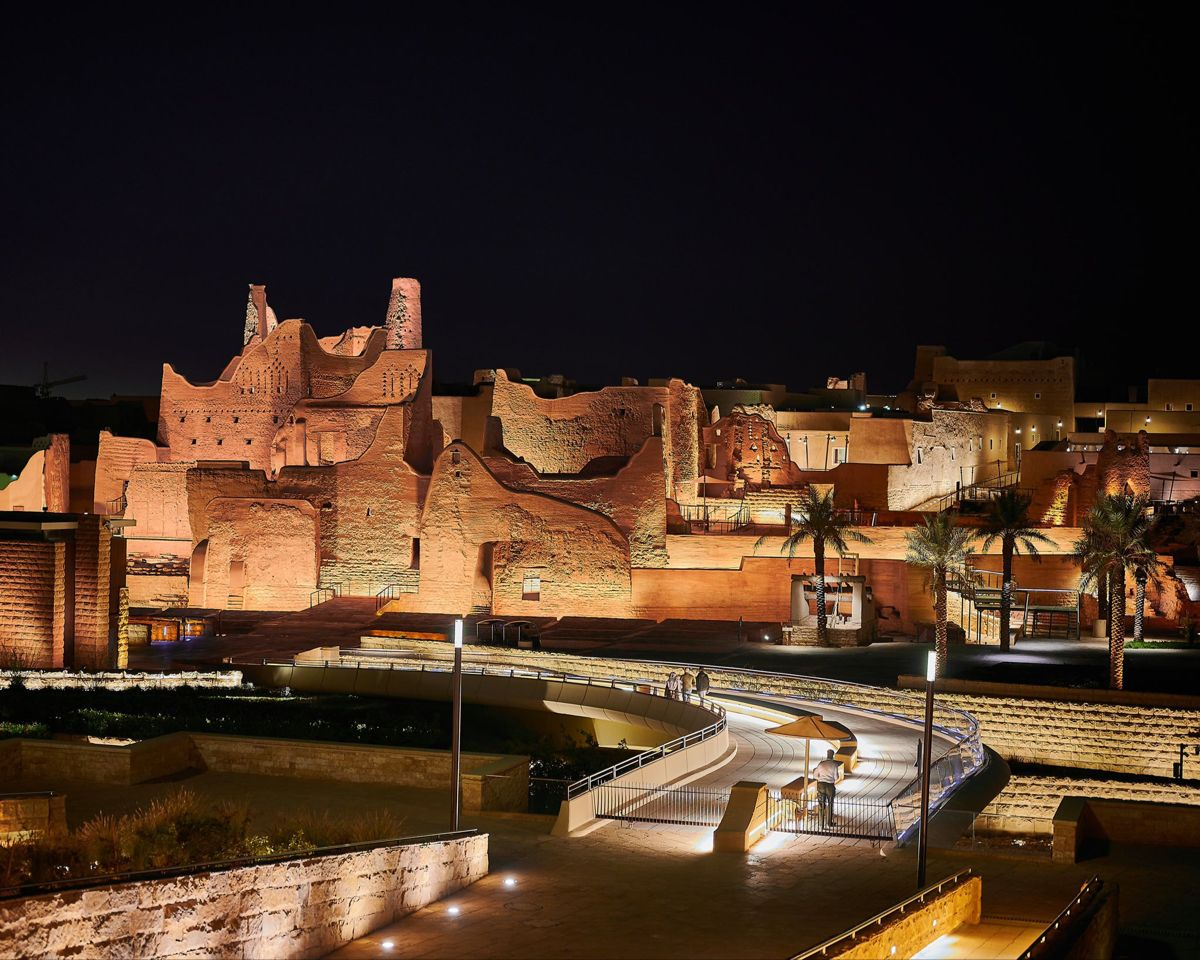
One of the most iconic landmarks in Riyadh is the Masmak Fortress, a mud-brick fort that played a pivotal role in the kingdom's history. Built in the 19th century, the fortress is a symbol of Saudi unification and offers a fascinating glimpse into the past. Inside, visitors can explore exhibits showcasing traditional weapons, historical artifacts, and detailed accounts of the battles that shaped the nation.
For those seeking a more modern experience, the Kingdom Centre Tower is a must-visit. Standing at 302 meters, this architectural marvel dominates the Riyadh skyline. The tower's Sky Bridge, located on the 99th floor, provides breathtaking panoramic views of the city. Visitors can also explore nearby Diriyah, the historic birthplace of the Saudi state, or experience the city’s contemporary energy at Riyadh Boulevard City.
Also Read: Diriyah Season 2025-26: Experience Legacy Where it was Born
2) Jeddah: The Gateway to the Red Sea
Jeddah, often referred to as the Bride of the Red Sea, is a vibrant coastal city known for its stunning beaches, historic districts, and bustling markets. As the principal gateway for pilgrims traveling to Mecca, Jeddah holds a significant place in Islamic history and culture. The city's unique blend of ancient and modern attractions makes it a captivating destination for travelers.
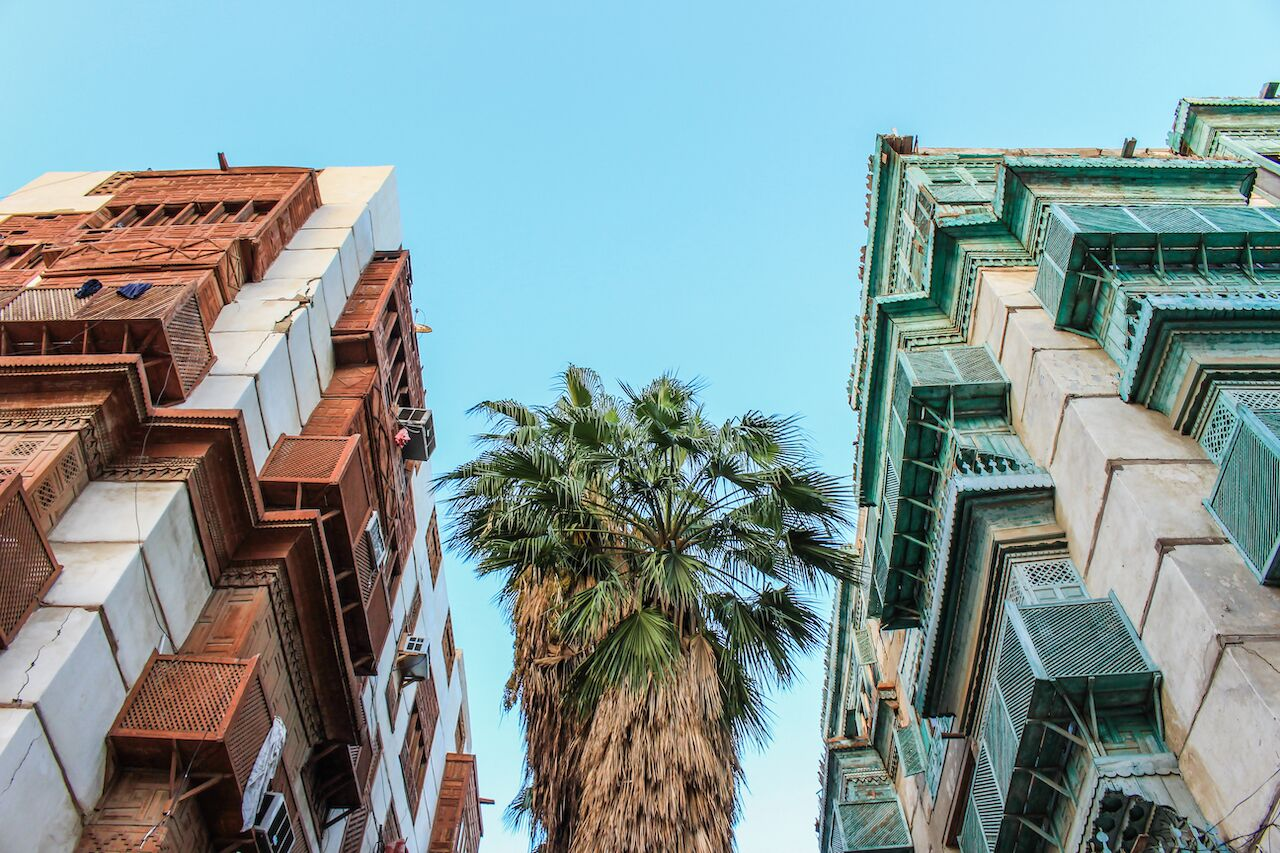
One of Jeddah's most cherished landmarks is Al-Balad, the city's historic old town. This UNESCO World Heritage site is home to beautifully preserved coral stone buildings, intricately designed wooden balconies, and narrow winding streets. Visitors can wander through the souks, where they will find a variety of traditional crafts, spices, and antiques, providing an authentic taste of old Arabia.
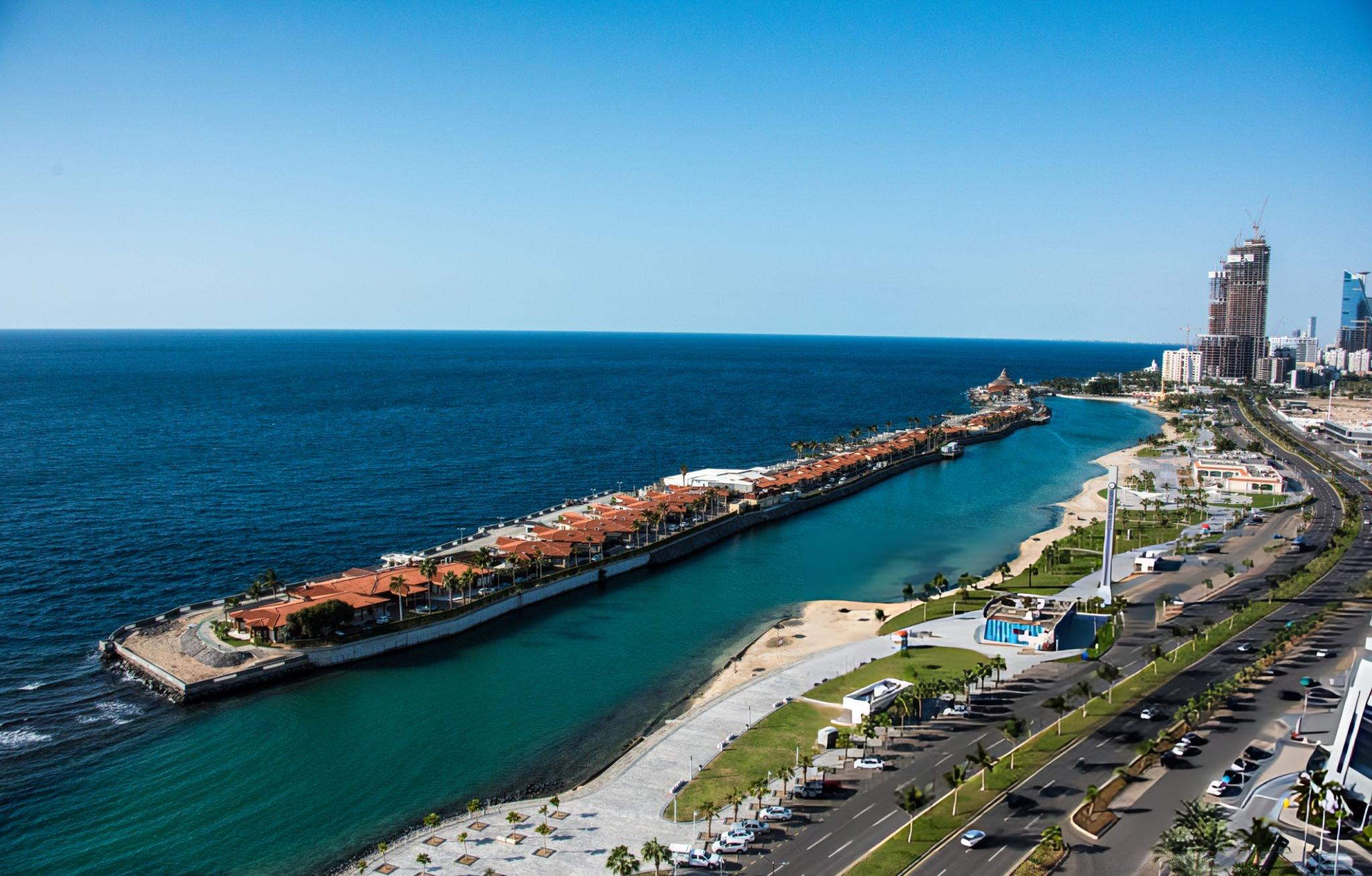
For a more contemporary experience, the Jeddah Corniche is an ideal destination. Stretching along the Red Sea coastline, the Corniche offers scenic views, lush parks, and a range of recreational activities. The area is also home to the iconic King Fahd Fountain, the tallest of its kind in the world, which shoots water up to 312 meters into the air. In the evenings, the Corniche comes alive with families and tourists enjoying the cool sea breeze and vibrant atmosphere.
Also Read: Where Pilgrims Passed and Kings Stayed: The Story of Al Balad
3) Makkah: The Spiritual Center of Islam
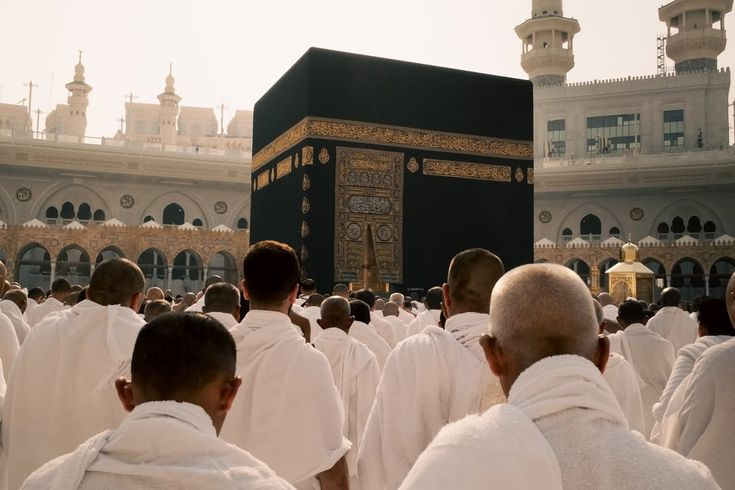
Makkah, the holiest city in Islam, holds a special place in the hearts of millions of Muslims worldwide. Every year, millions of pilgrims journey to Mecca to perform Hajj, one of the Five Pillars of Islam. The city's significance extends beyond its religious importance, as it also offers a wealth of historical and cultural experiences for visitors.
The focal point of Makkah is the Masjid al-Haram, the largest mosque in the world, which houses the Kaabah, Islam's most sacred site. The mosque's stunning architecture, with its intricate marble floors and towering minarets, creates an awe-inspiring atmosphere for worshippers and visitors alike. The spiritual energy of the mosque is palpable, making it a truly transformative experience for those who visit.
Beyond the religious landmarks, Makkah is also home to several historical sites that offer insight into the early days of Islam. The Cave of Hira, located on the Jabal al-Nour mountain, is where the Prophet Muhammad (PBUH) received his first revelation from Allah. Pilgrims often climb the mountain to visit the cave and reflect on its profound significance. Similarly, the Jabal Thawr cave, where the Prophet Muhammad and his companion Abu Bakr sought refuge during their migration to Madinah, is another important historical site.
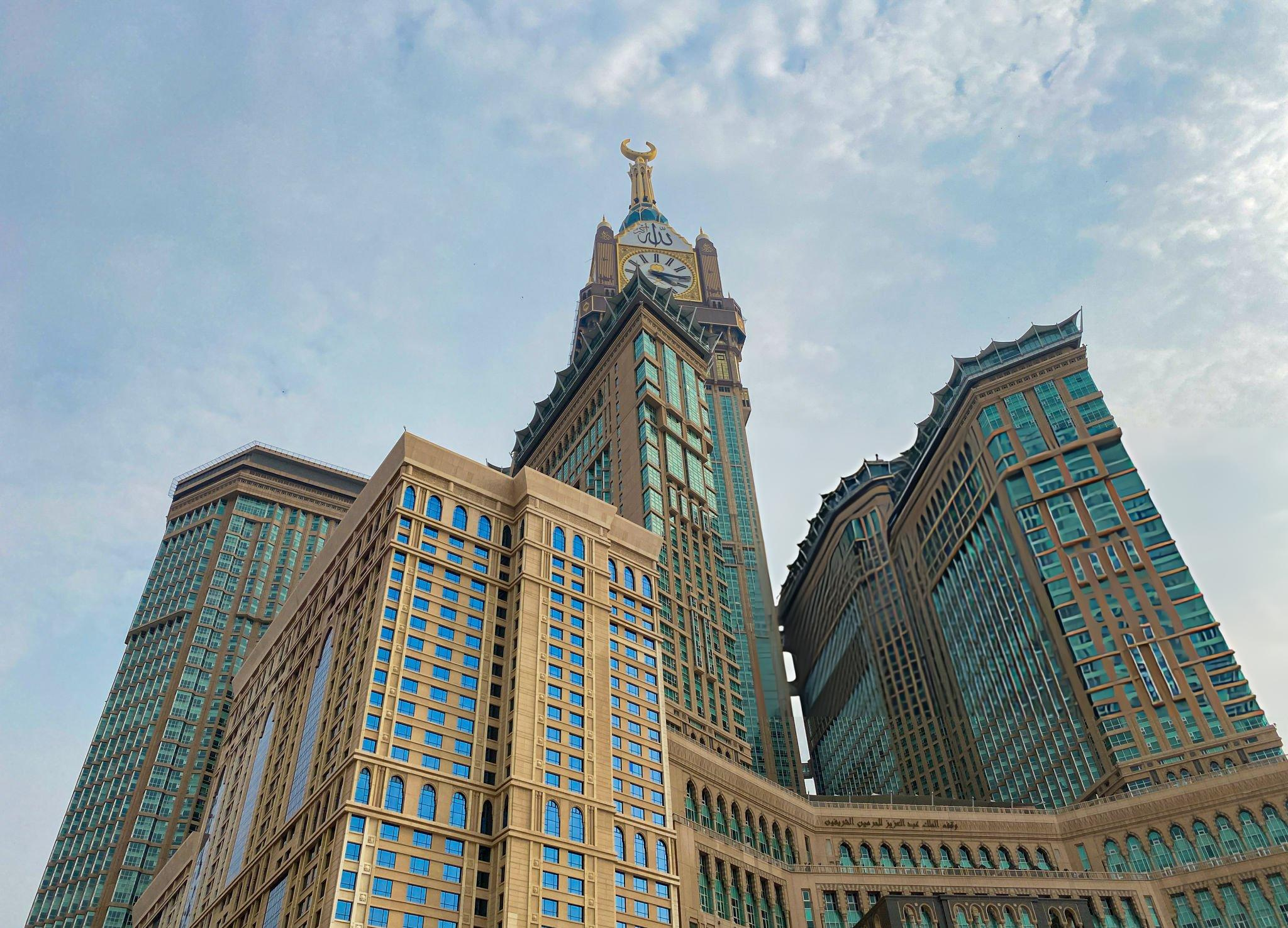
Also Read: Inside the Makkah Clock Tower: History, Design, & Hidden Spaces
4) Madinah: A City of Historical Significance
Madinah, known as the City of the Prophet (PBUH), is the second holiest city in Islam and a key destination for religious pilgrims. The city is renowned for its rich history, spiritual significance, and warm hospitality. As the burial place of the Prophet Muhammad (PBUH, Madinah holds a deep emotional connection for Muslims around the world.
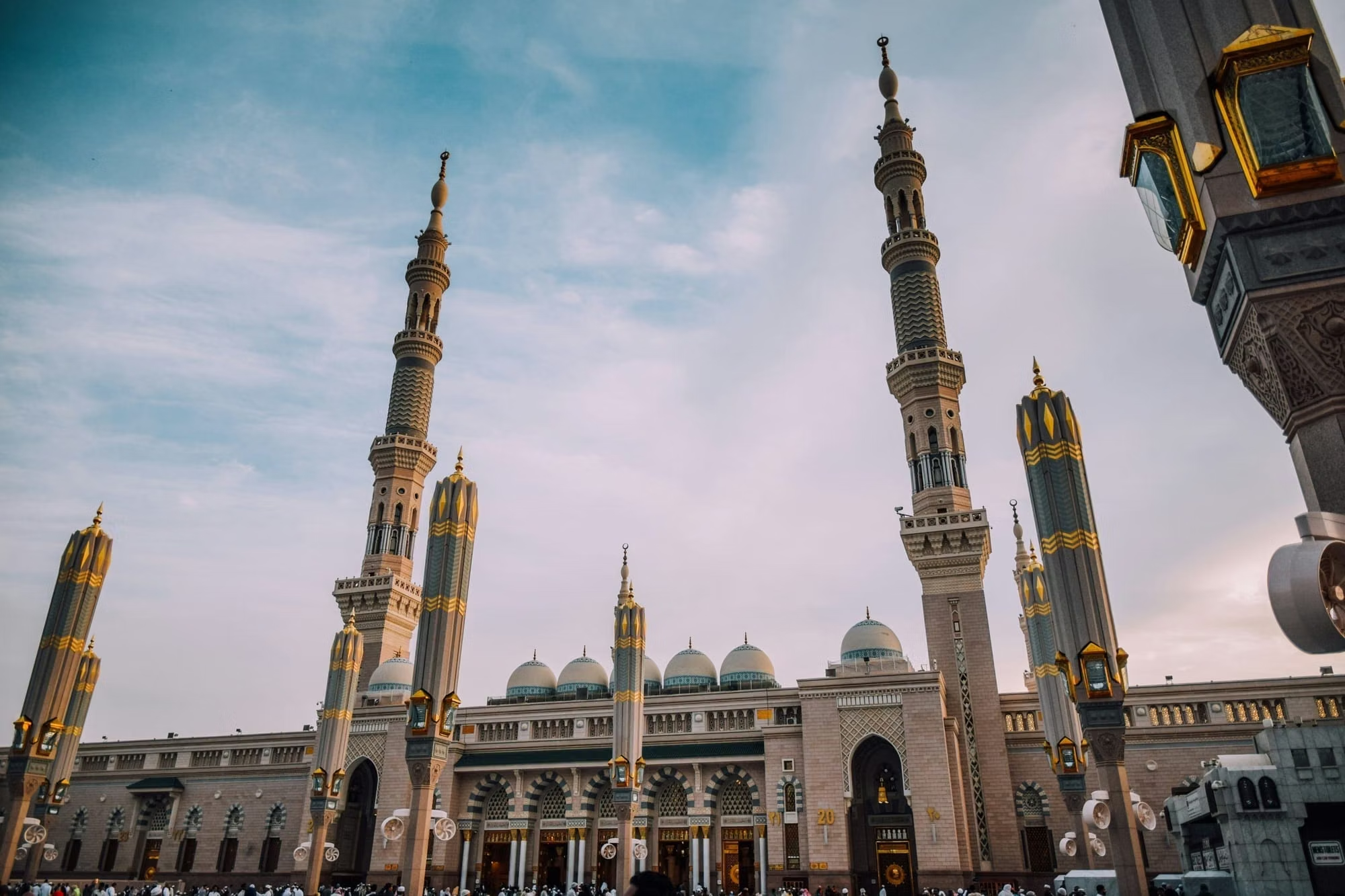
The Prophet's Mosque, or Al-Masjid an-Nabawi, is the centerpiece of Madinah and one of the largest mosques in the world. The mosque's striking green dome marks the resting place of the Prophet Muhammad (PBUH), and its expansive courtyard can accommodate hundreds of thousands of worshippers. The serene and spiritual ambiance of the mosque provides a profound sense of peace and reflection for visitors.
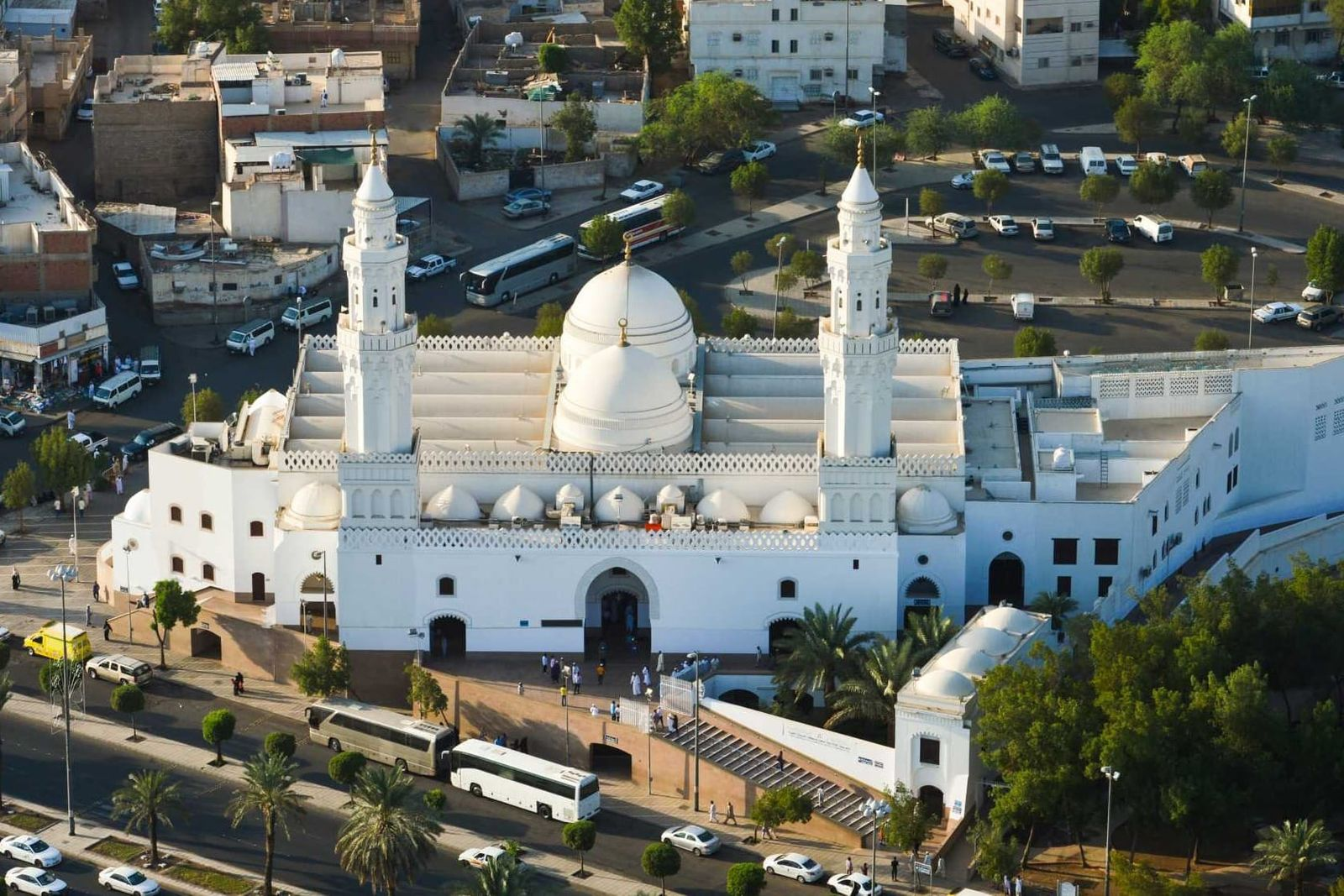
In addition to its religious significance, Madinah is also home to several historical sites that offer a glimpse into the early Islamic era. The Quba Mosque, believed to be the first mosque built by the Prophet Muhammad (PBUH), is a testament to the city's historical importance. Another notable site is the Battle of Uhud battlefield, where visitors can learn about one of the most significant battles in Islamic history and pay their respects at the martyrs' graves.
Also Read: Mount Uhud: What Happened at Islam’s Historic Battlefield in Madinah
5) Dammam: The Eastern Province's Economic Hub
Dammam, the capital of the Eastern Province, is a vibrant city known for its economic significance, modern infrastructure, and cultural attractions. As a major hub for the oil and gas industry, Dammam plays a crucial role in Saudi Arabia's economy. The city's strategic location on the Arabian Gulf also makes it an important center for trade and commerce.
The King Fahd Park, one of the largest parks in the Eastern Province, is a popular destination for both locals and tourists. The park features lush green spaces, scenic lakes, and a variety of recreational facilities, making it an ideal spot for picnics, family outings, and leisurely strolls. The park's serene environment provides a welcome escape from the hustle and bustle of city life.
For those interested in cultural experiences, the Dammam Regional Museum offers a fascinating insight into the region's history and heritage. The museum's extensive collection includes archaeological artifacts, traditional crafts, and exhibits on the area's natural history. Visitors can gain a deeper understanding of the Eastern Province's rich cultural tapestry through the museum's engaging displays.
6) Abha: The Mountainous Gem of the South
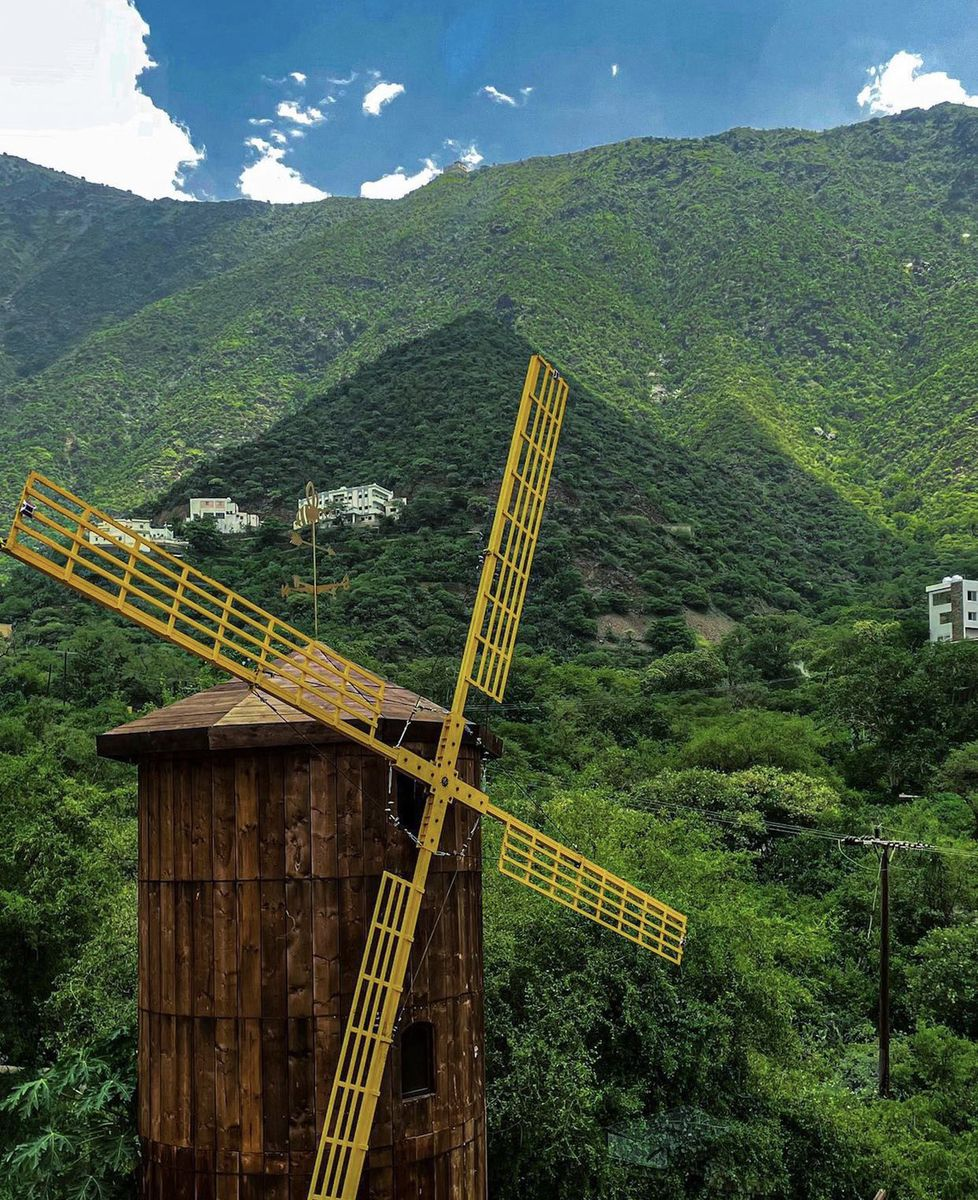
Abha, nestled in the Asir Mountains, is a picturesque city known for its cool climate, stunning landscapes, and rich cultural heritage. As the capital of the Asir Region, Abha offers a unique blend of natural beauty and traditional charm. The city's elevation and lush greenery make it a popular destination for those seeking a refreshing escape from the desert heat.
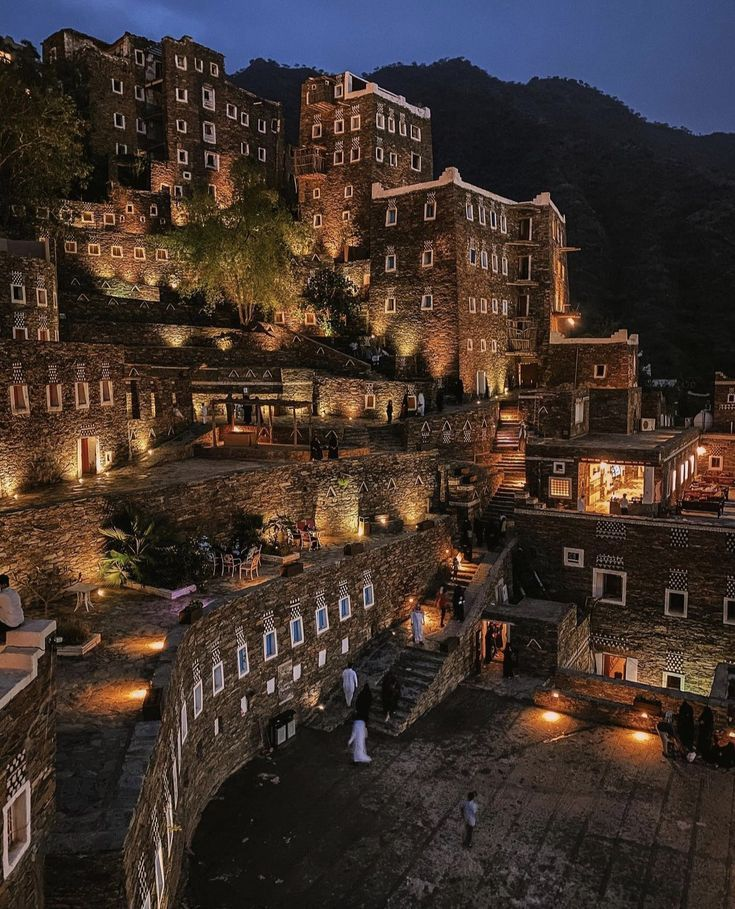
One of the most striking features of Abha is its traditional architecture. The city's distinctive stone houses, characterized by their flat roofs and ornate windows, are a testament to the region's rich cultural heritage. Visitors can explore the historic Rijal Almaa and Al-Muftaha Village, where they will find beautifully preserved buildings, art galleries, and cultural centers that showcase the city's artistic legacy.
Abha is also home to several natural attractions that highlight the region's breathtaking landscapes. The Asir National Park, the first national park in Saudi Arabia, offers a diverse range of flora and fauna, as well as stunning mountain views. Visitors can enjoy hiking, picnicking, and wildlife spotting in this pristine natural environment. Another must-visit site is the Jabal Soudah, the highest peak in Saudi Arabia, which provides panoramic views of the surrounding mountains and valleys.
7) AlUla: A UNESCO World Heritage Site
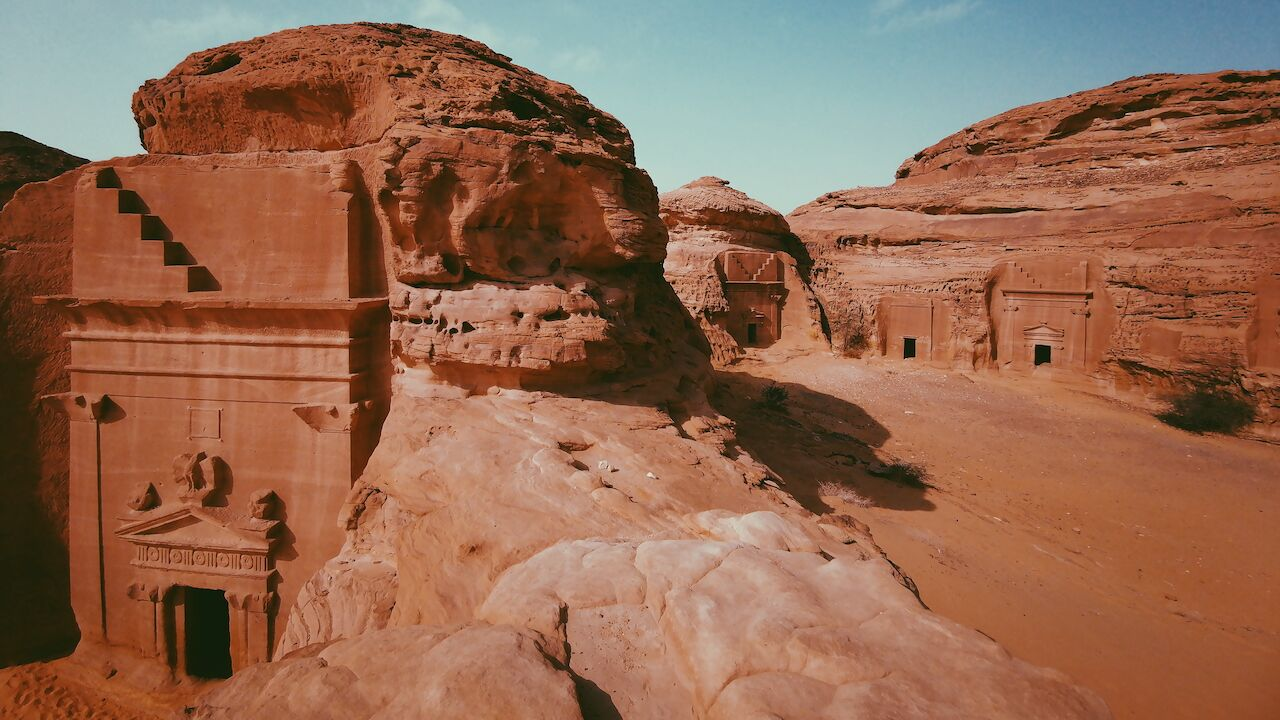
AlUla, a hidden gem in the northwestern region of Saudi Arabia, is a city steeped in history and natural beauty. The city's most famous attraction is the ancient city of Hegra (Madain Saleh), which was designated as a UNESCO World Heritage site in 2008. AlUla's stunning landscapes, rock formations, and archaeological treasures make it a captivating destination for history enthusiasts and nature lovers alike.
Hegra, often referred to as the "Petra of Saudi Arabia," is a remarkable archaeological site that dates back to the Nabatean civilization. The site features over 100 well-preserved tombs, intricately carved into the sandstone cliffs, showcasing the advanced engineering and artistic skills of the Nabateans. Visitors can explore the tombs, ancient inscriptions, and rock art that provide a glimpse into the lives of this ancient civilization.
In addition to Hegra, AlUla offers several other attractions that highlight the region's natural beauty. The Elephant Rock, a massive sandstone formation resembling an elephant, is a popular spot for photography and sunset viewing. The AlUla Oasis, with its lush date palms and serene environment, provides a tranquil escape for visitors seeking to connect with nature.
Also Read: Hegra (Al-Hijr): The Nabataean City Carved in Sandstone
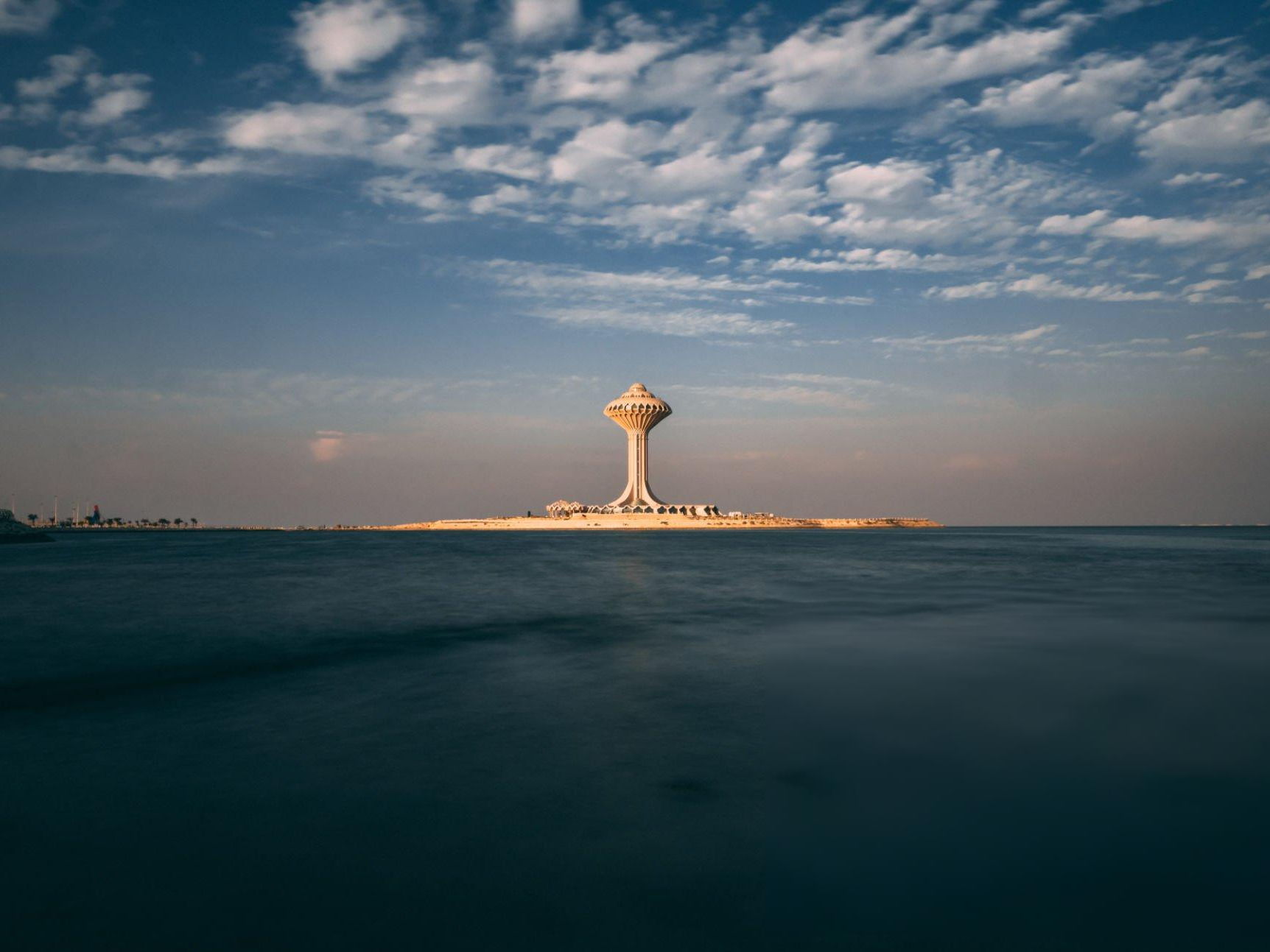
8) Khobar: A Coastal City with Modern Charm
Khobar, located on the eastern coast of Saudi Arabia, is a dynamic city known for its modern amenities, scenic waterfront, and vibrant cultural scene. As part of the Dammam metropolitan area, Khobar offers a contemporary urban experience with a touch of traditional charm. The city's coastal location makes it an ideal destination for those seeking relaxation and recreation by the sea.
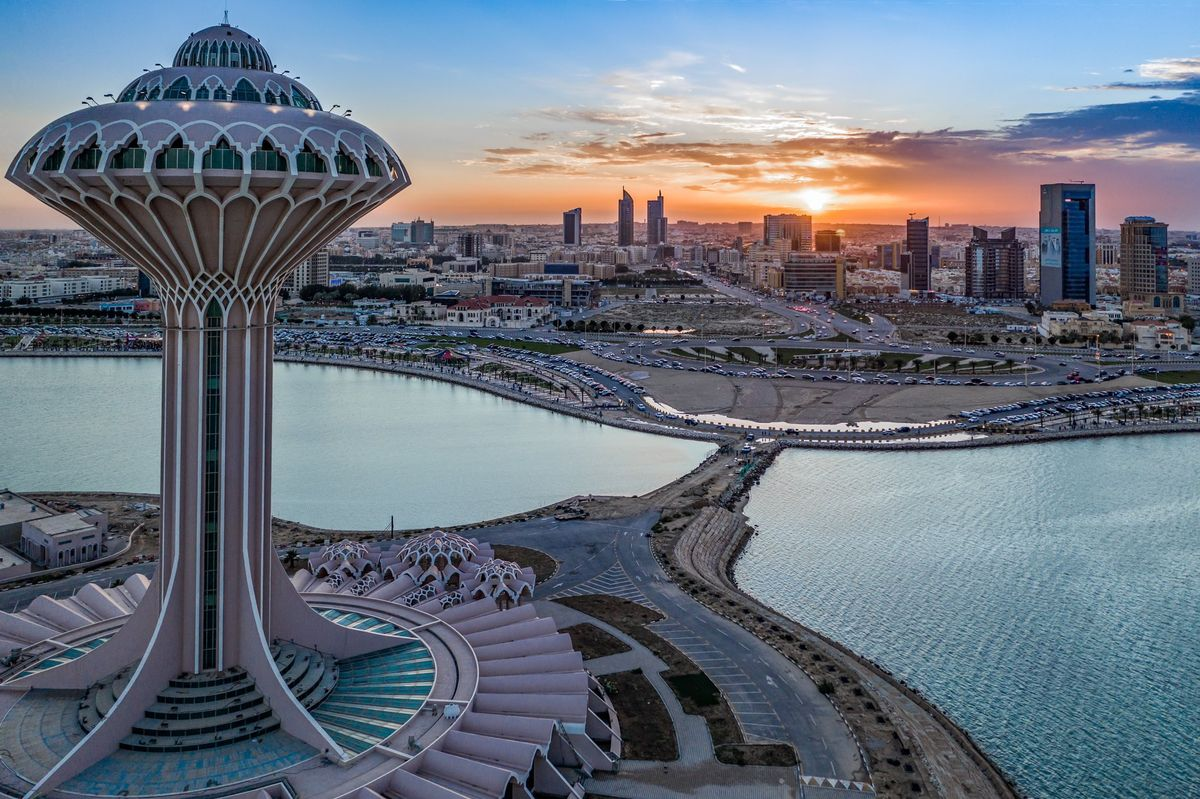
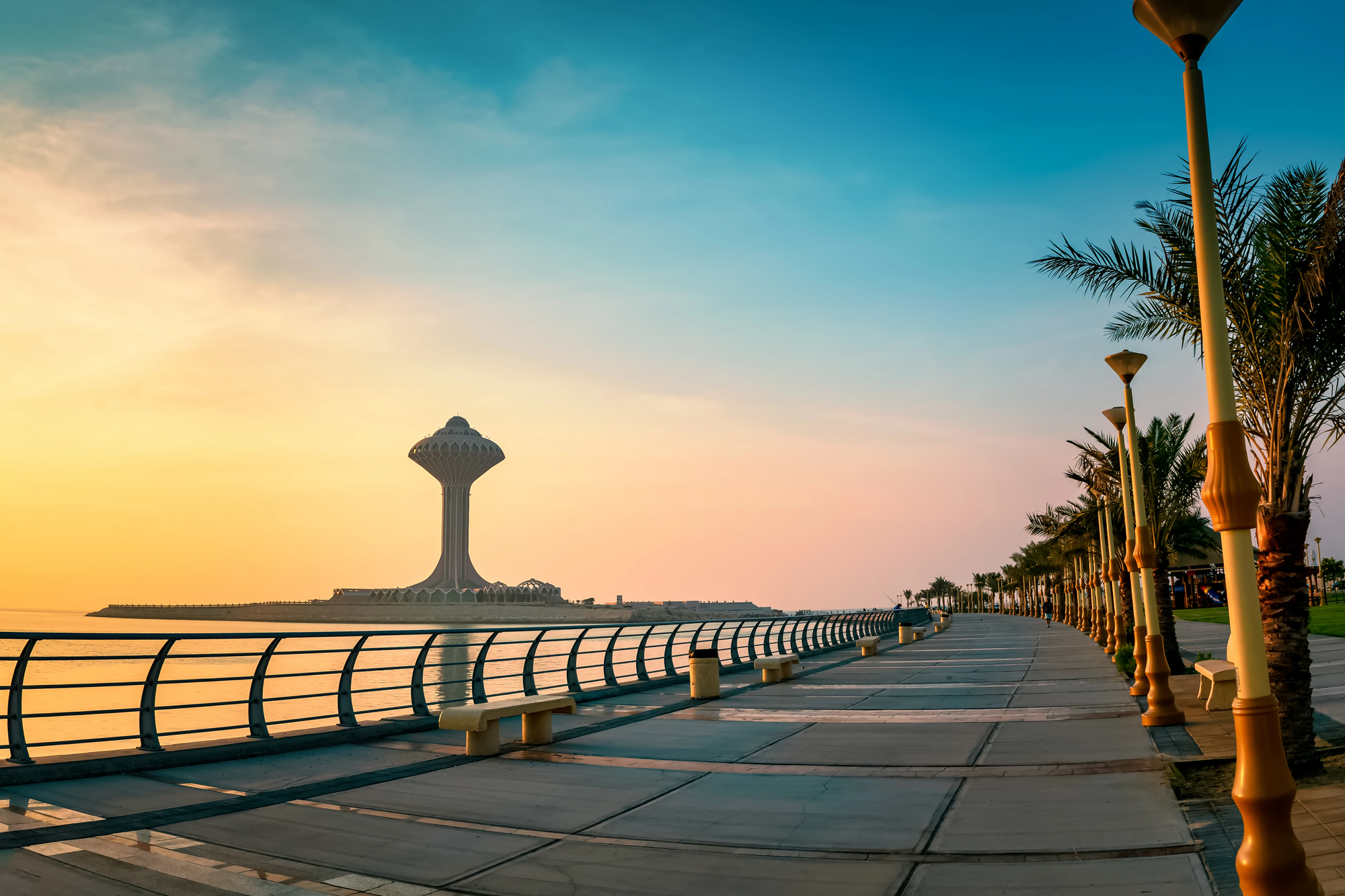
One of the most popular attractions in Khobar is the Corniche, a beautifully landscaped waterfront promenade that stretches along the Arabian Gulf. The Corniche features walking paths, picnic areas, playgrounds, and stunning views of the sea, making it a favorite spot for families and tourists. The area comes alive in the evenings, with locals and visitors enjoying the cool breeze and lively atmosphere.
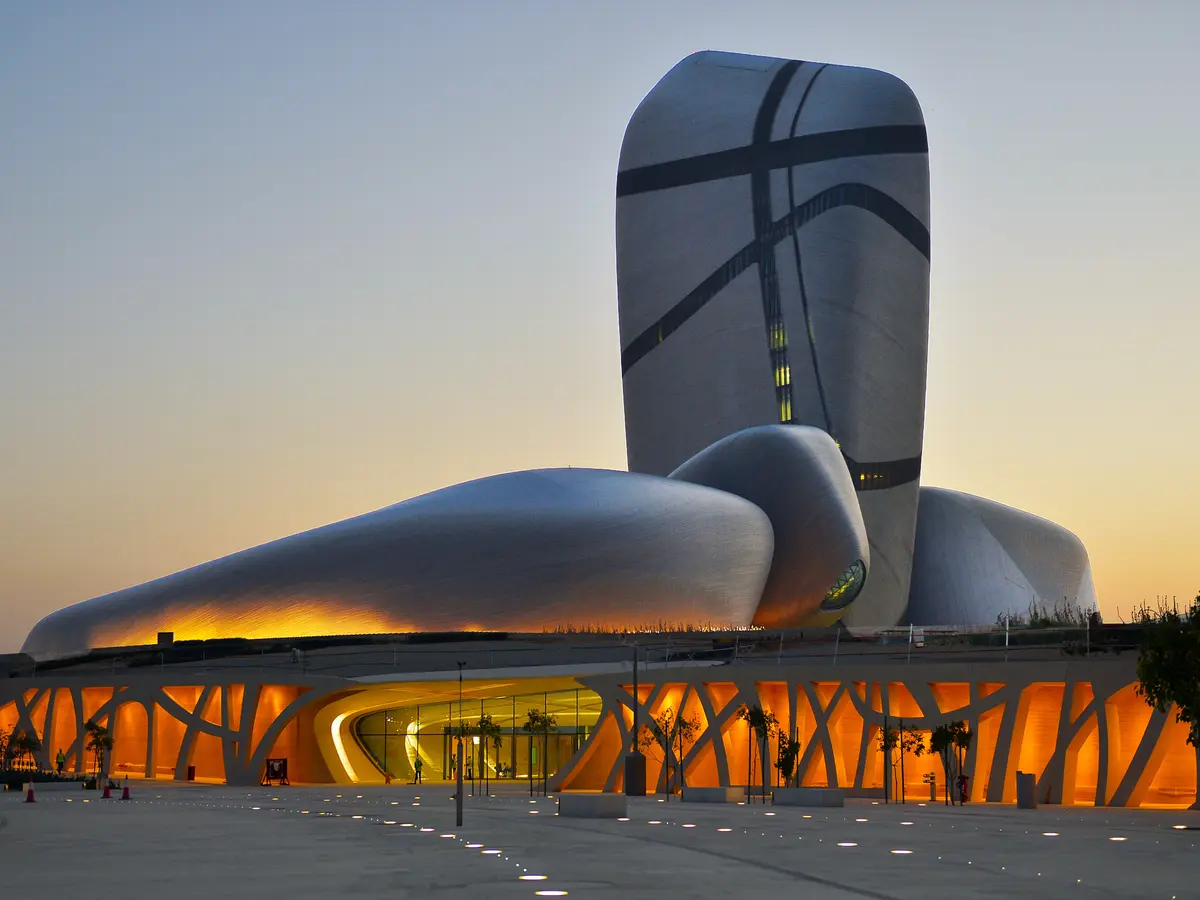
For shopping enthusiasts, Khobar offers a range of modern malls and traditional markets. The Al-Rashid Mall, one of the largest shopping centers in the region, boasts a wide variety of international and local brands, dining options, and entertainment facilities. For a more traditional shopping experience, the Khobar Souq offers a charming selection of local crafts, spices, and souvenirs, providing a taste of the city's cultural heritage. Nearby in Dhahran, visitors can explore Ithra (King Abdulaziz Center for World Culture), one of the Eastern Province’s leading cultural destinations.
9) Taif: The City of Roses and Mountain Breezes
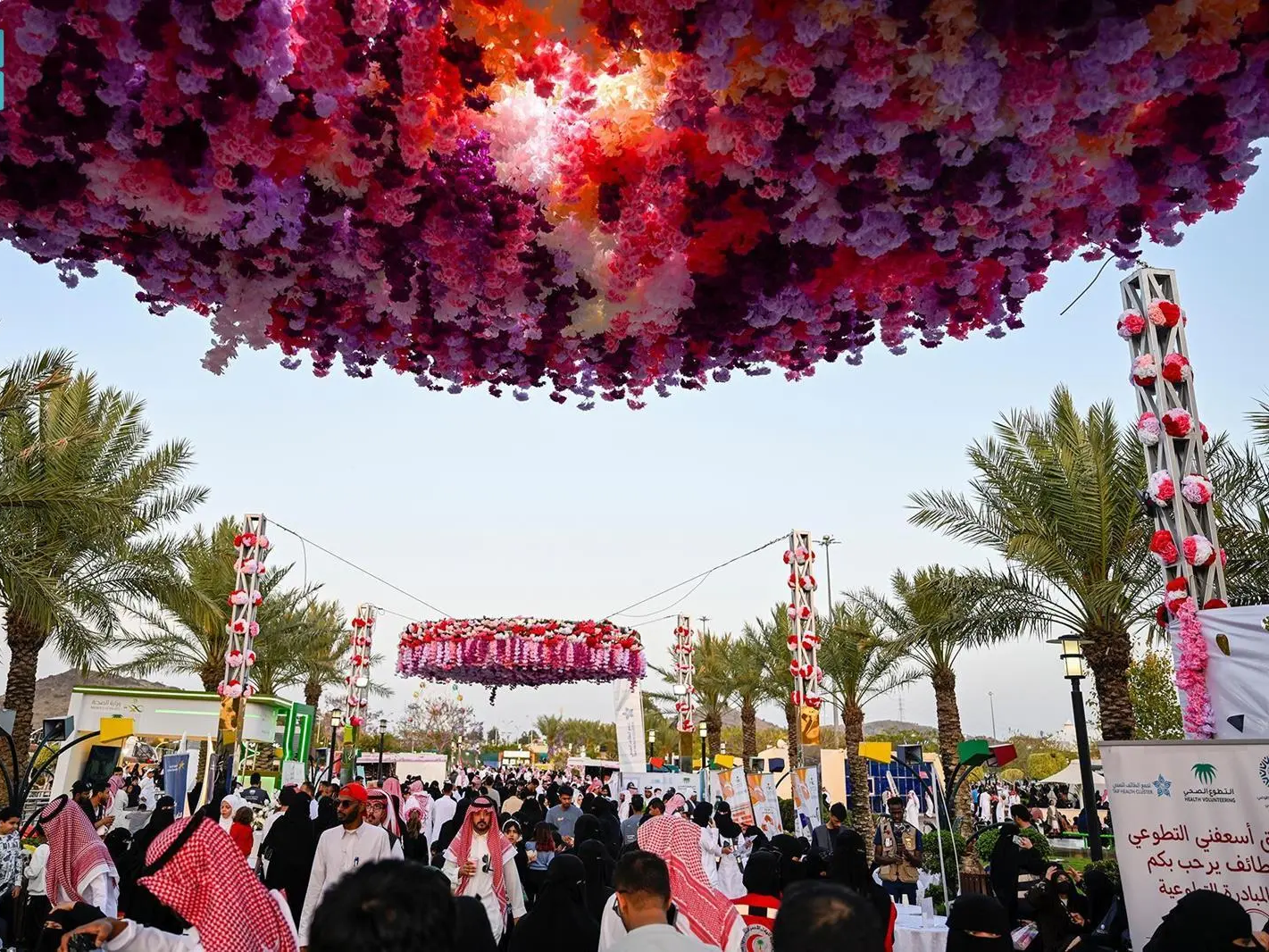
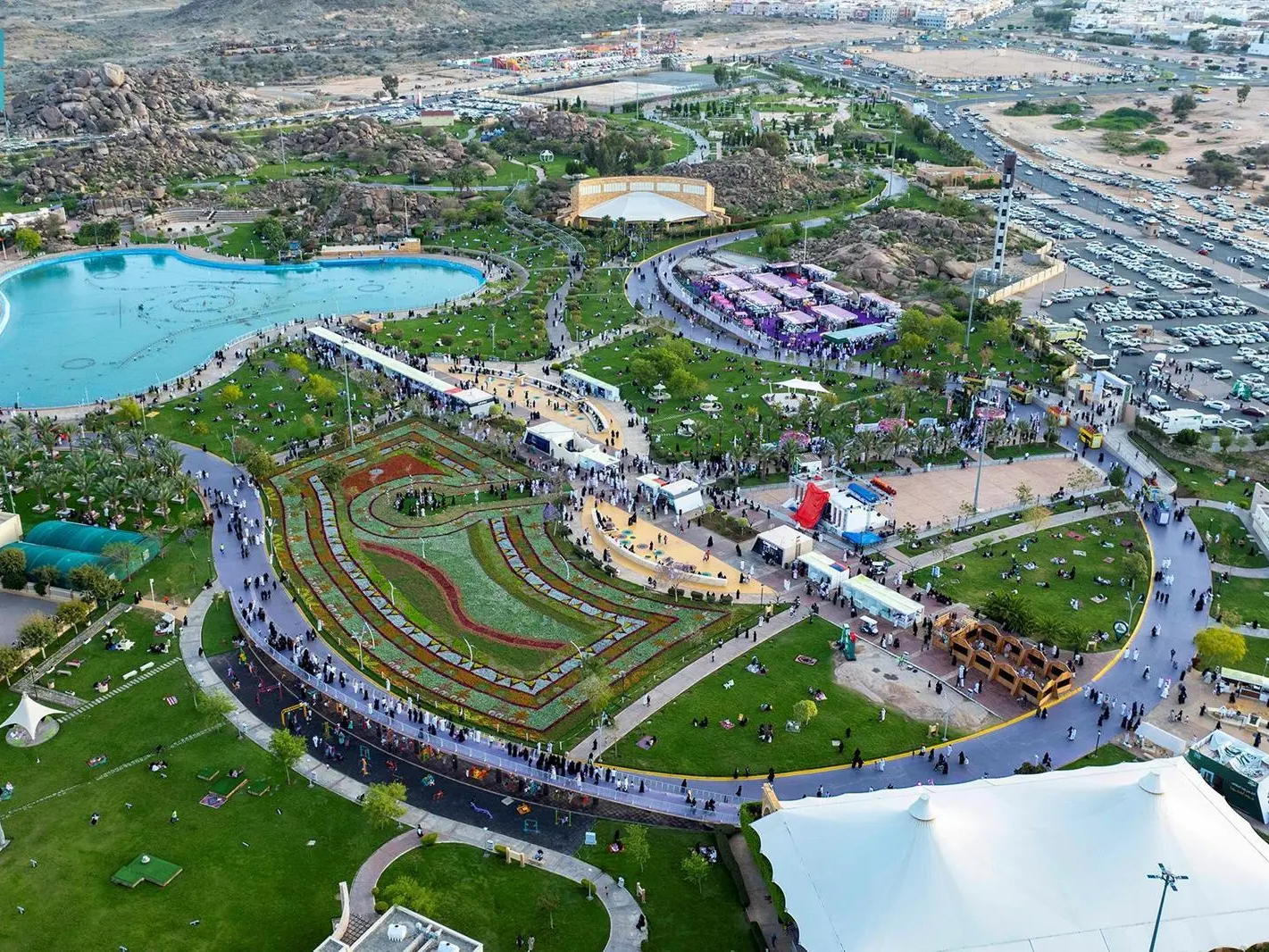
Taif is a mountain city in western Saudi Arabia, located east of Makkah in the Sarawat Mountains. Its elevation and moderate climate have long made it a popular destination, especially during the warmer months. Surrounded by mountain landscapes and agricultural areas, Taif presents a greener and cooler side of the Kingdom that feels distinct from the major cities of the western region.
The city is especially famous for the Taif rose, which has become closely connected with its cultural identity. Rose farms are concentrated around areas such as Al-Hada and Al-Shafa, where the harvest takes place during spring. The flowers are traditionally used to produce rosewater, fragrances, and other aromatic products. The annual Rose Season celebrates this heritage and brings together local growers, producers, and visitors during the harvest period. Taif is also known for historic palaces and traditional architecture, adding another layer to a city shaped by agriculture, mountains, and heritage.
10) Najran: Ancient Heritage in Saudi Arabia's South
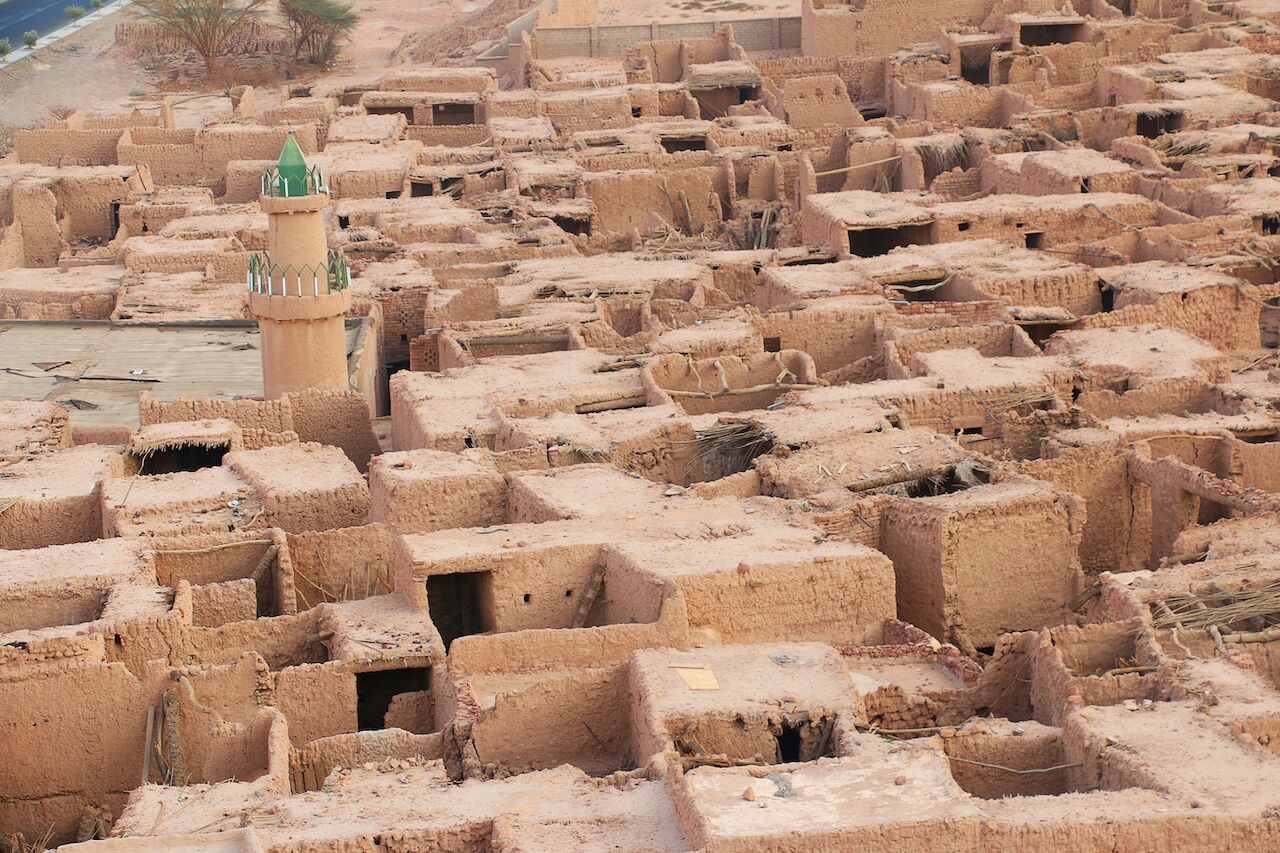
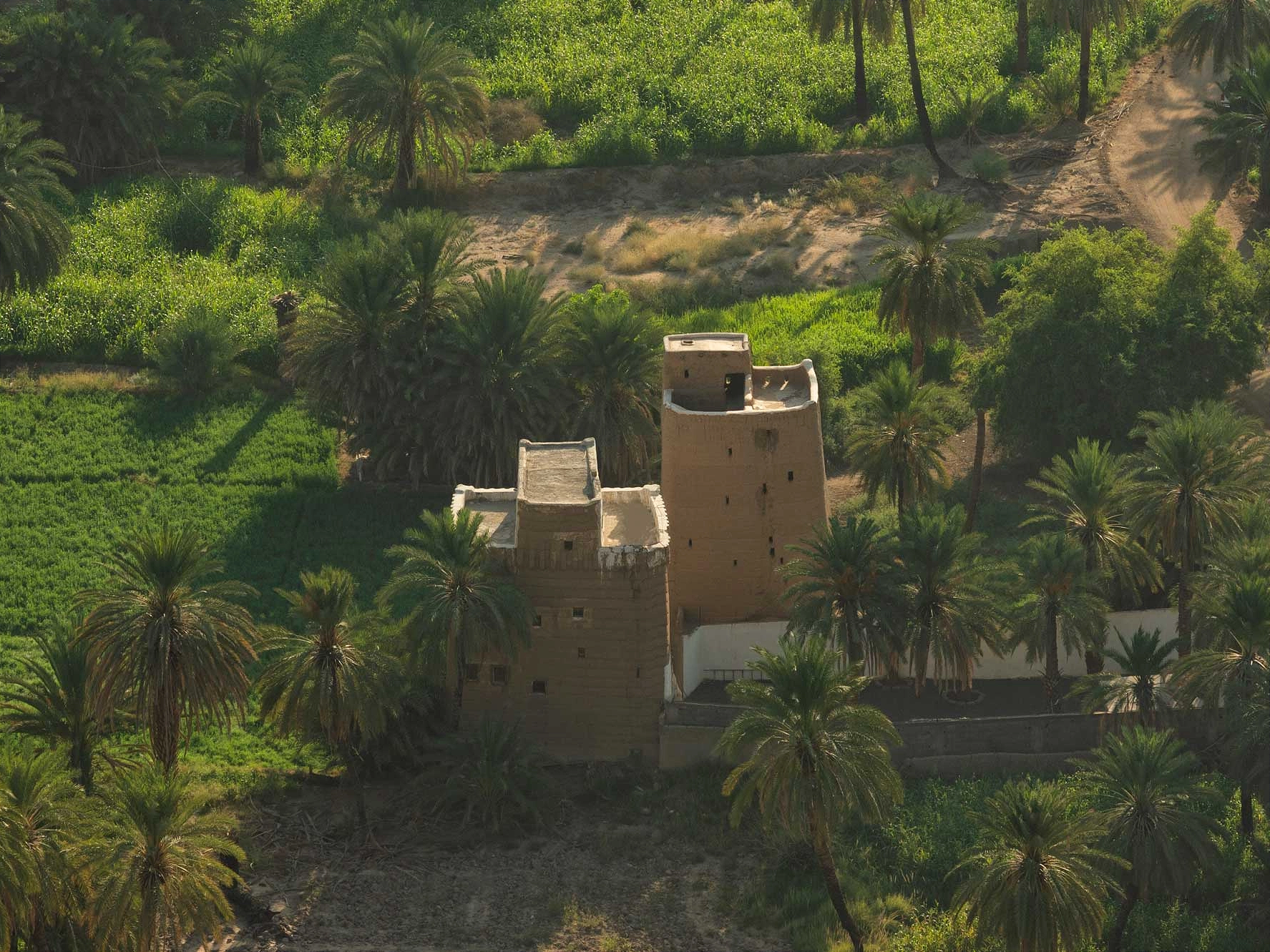
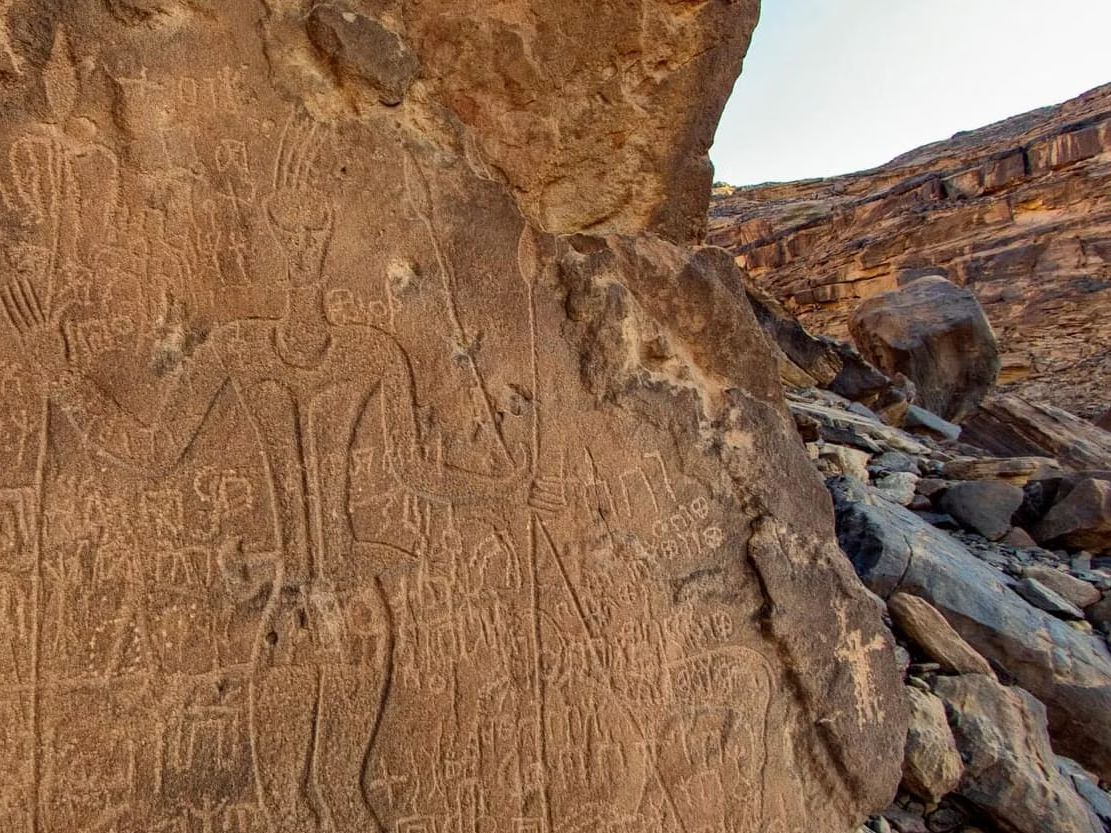
Najran, the administrative capital of Najran Province, lies in southwestern Saudi Arabia. The city is known for a cultural landscape shaped by archaeology, distinctive mud architecture, and centuries of settlement. The wider region is also home to the UNESCO-listed Ḥimā Cultural Area, known for its extensive rock art and ancient inscriptions. Together, these sites give Najran an architectural and archaeological identity that stands apart from many other Saudi cities.
One of the area's most significant archaeological landmarks is Al-Okhdood, an ancient settlement containing the remains of buildings, walls, inscriptions, drawings, tombs, and artifacts from different historical periods. Within the city, the historic Amarah Palace offers another view of Najran's heritage. Built in the twentieth century using traditional methods, the fortress-like structure features high walls and circular towers. Together, these landmarks reveal the depth of Najran's history and the importance of preserving the architectural traditions that continue to define the region today.
Also Read: Ḥimā Cultural Area: Saudi Arabia’s Open‑Air Library
11) Hail: A Northern City of Forts and Heritage
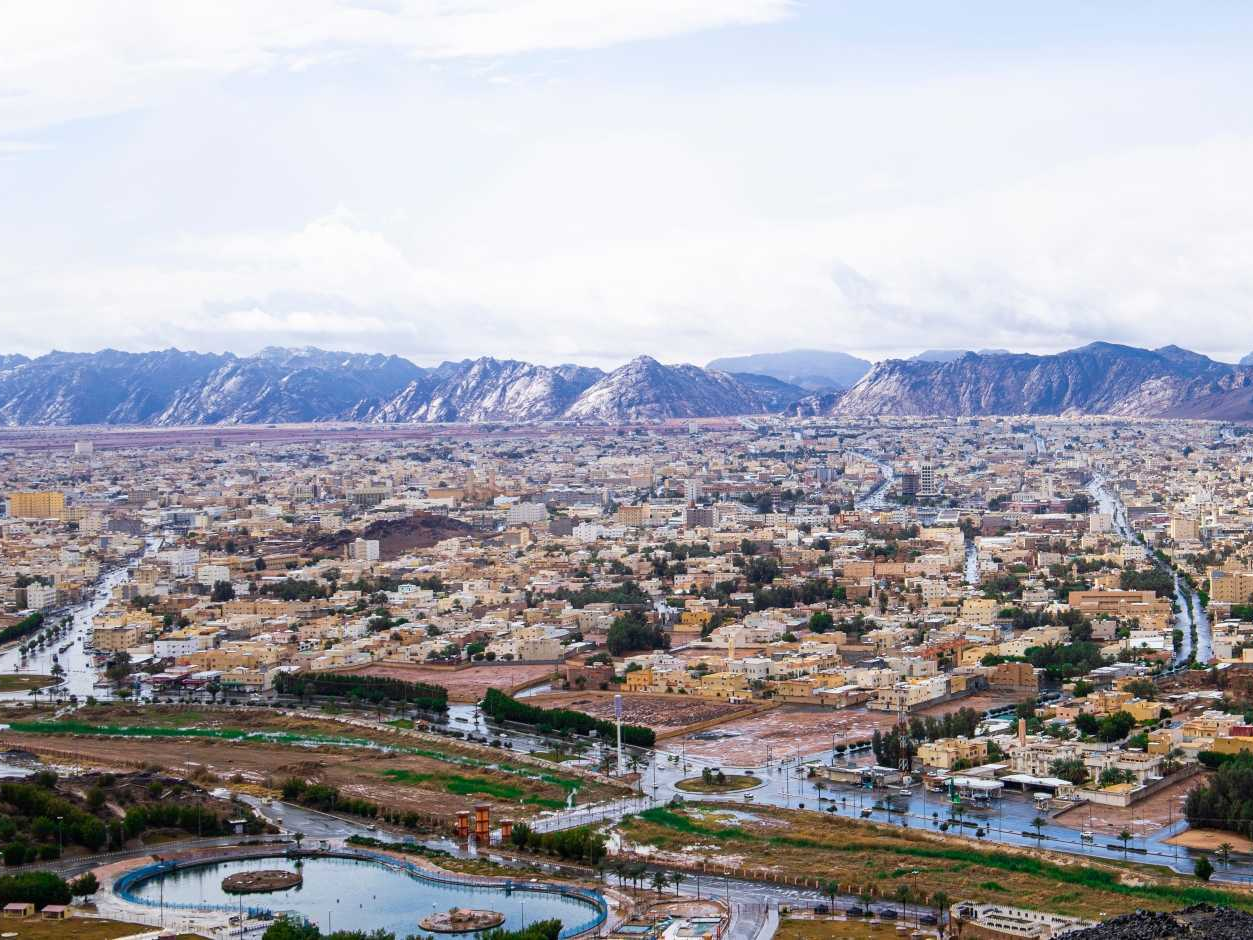
Hail is the administrative capital of Hail Province in northern Saudi Arabia and a city with a strong connection to the historical landscape of the Kingdom's interior. Its heritage can be seen in forts, palaces, and traditional buildings that reflect the architectural character of the region. Hail also serves as an important cultural center for a province known for its deep historical roots.
A'arif Fort is one of the city's most recognizable landmarks. Built on a mountain overlooking Hail, the fort dates to the nineteenth century and once helped protect the city from the south. Another important landmark is Al-Qishlah Palace, constructed during the reign of King Abdulaziz in the twentieth century. Built in a traditional architectural style, the palace remains a prominent cultural and historical site. These structures give visitors a tangible connection to Hail's past while ongoing heritage initiatives are helping protect significant sites across the province.
12) Al-Hofuf: At the Heart of Al-Ahsa Oasis
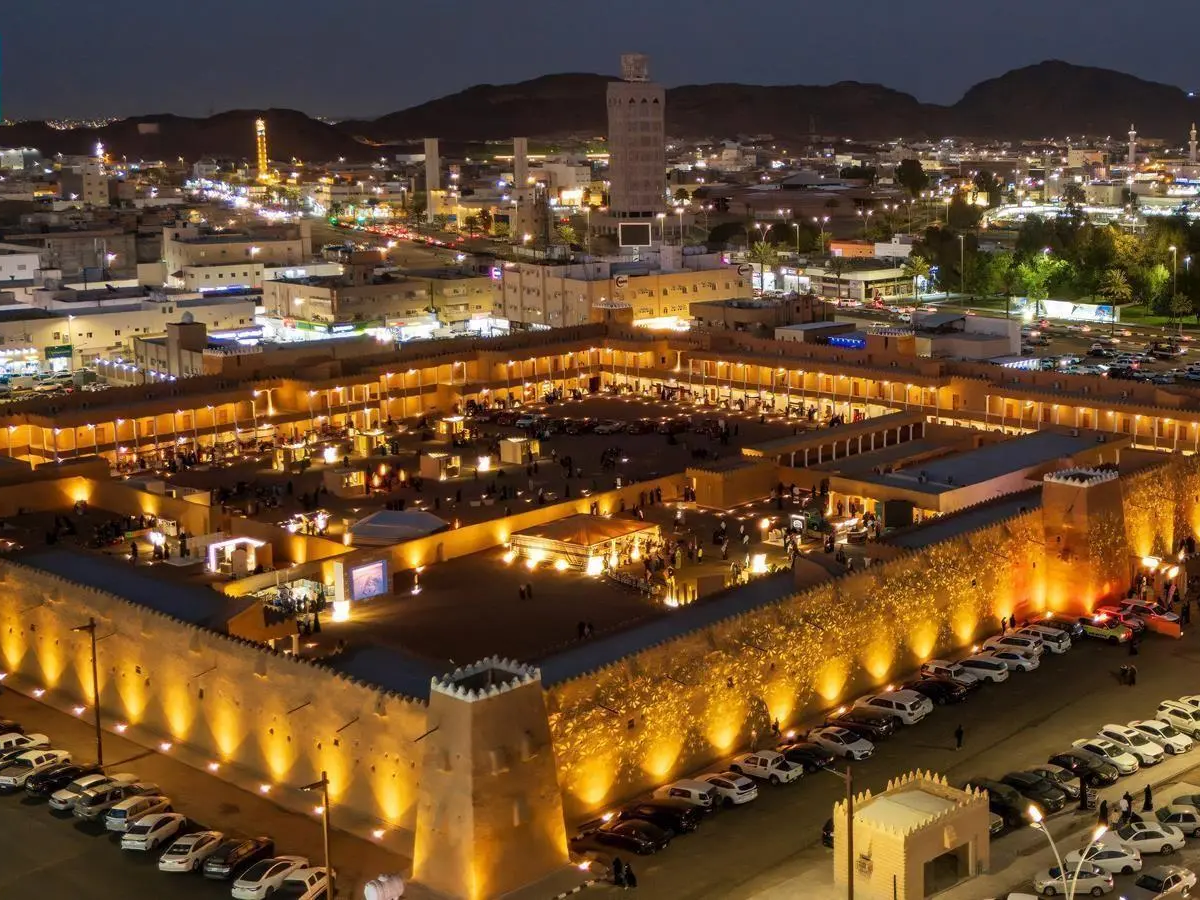
Al-Hofuf is the administrative center of Al-Ahsa Governorate in Saudi Arabia's Eastern Province. The city sits within the wider landscape of Al-Ahsa Oasis, where palm groves, historic neighborhoods, markets, and natural formations have shaped life for generations. This combination of agriculture and urban heritage gives Al-Hofuf a character very different from the modern coastal cities elsewhere in the Eastern Province.
One of its best-known heritage destinations is Souq Al-Qaisariya, a traditional market in Al-Hofuf with hundreds of shops arranged within covered passages. Its architecture reflects the trading heritage of Al-Ahsa and the wider Eastern Province. Nearby, Al-Qarah Mountain rises from the oasis landscape and is known for its distinctive limestone formations and caves. Located east of Al-Hofuf, the mountain has become one of Al-Ahsa's major natural landmarks. Together, the market, oasis, and mountain reveal the close relationship between commerce, agriculture, nature, and community in Al-Hofuf.
Also Read: Souq Qaisariya: The Story of Al Ahsa Through Its Historic Market
13) Jazan: A Red Sea Gateway in the Southwest
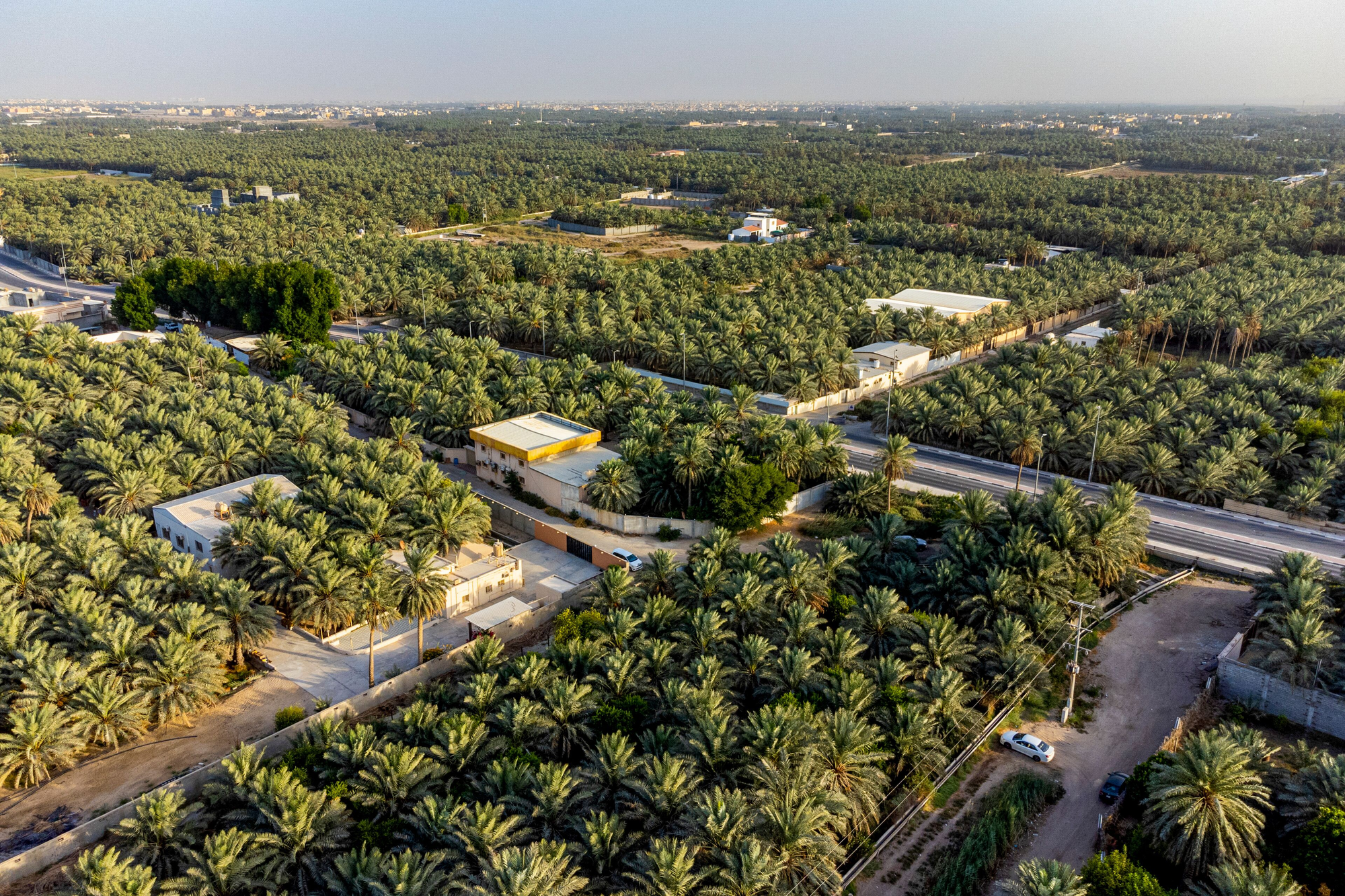
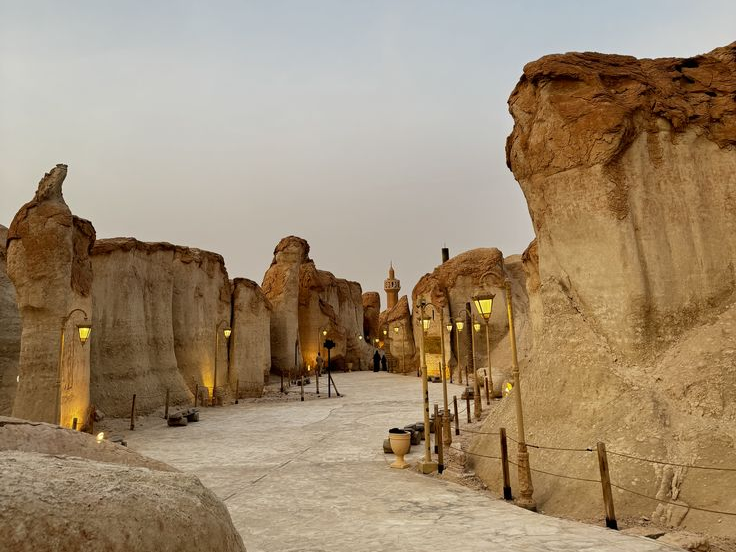
Jazan is the administrative capital of Jazan Province and sits along the Red Sea coast in southwestern Saudi Arabia. Its coastal setting gives the city a character shaped by the sea, while the wider province is known for remarkable geographical diversity. Jazan also provides an important connection between the Saudi mainland and the islands scattered across this part of the Red Sea.
The city is particularly associated with journeys to the Farasan Islands, an archipelago located off the Jazan coast. Passenger services connect Jazan with Farasan, whose islands contain coral reefs, vegetation, wildlife, and archaeological sites reflecting a long history of contact across the Red Sea. Farasan Island, the largest island in Saudi Arabia, is one of the region's most distinctive natural attractions. This connection between the city and the archipelago makes Jazan an appealing destination for travelers interested in both coastal life and the natural heritage of southwestern Saudi Arabia.
14) Tabuk: History at Saudi Arabia's Northern Gateway
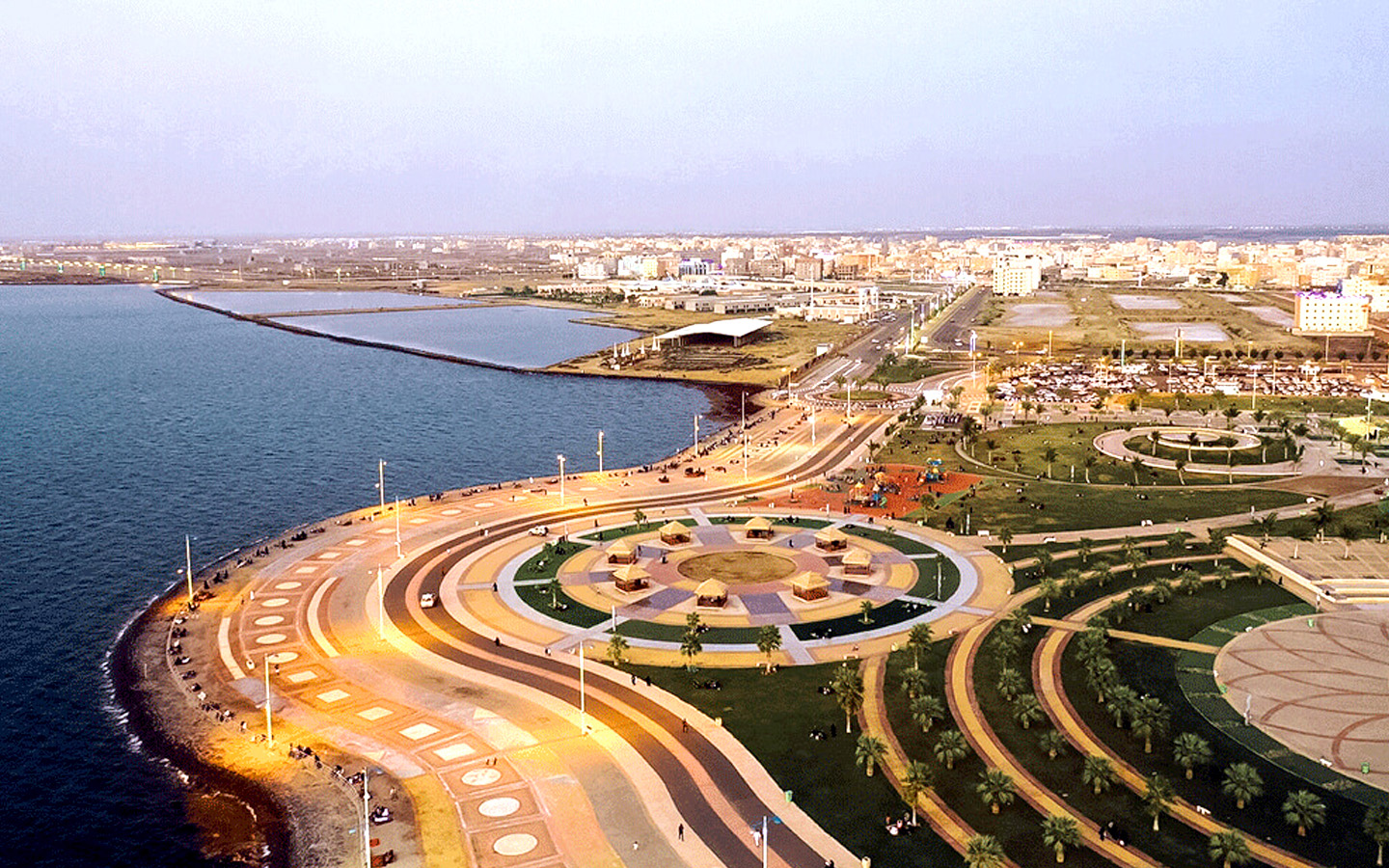
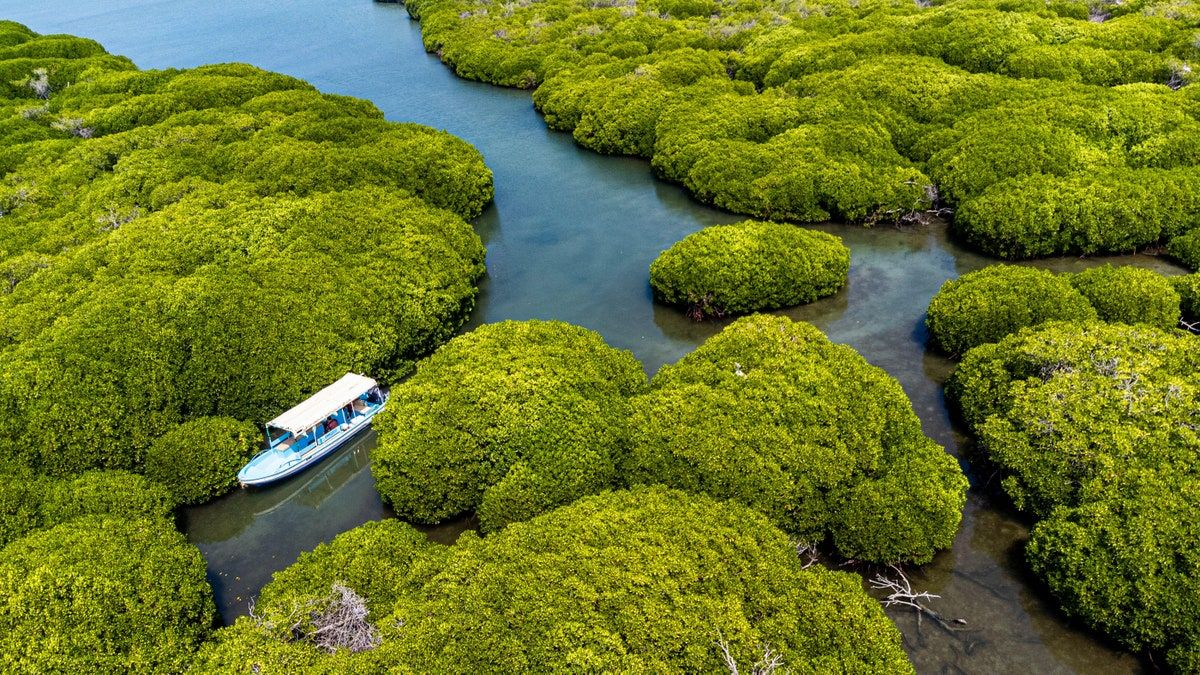
Tabuk is the administrative center of Tabuk Province in northwestern Saudi Arabia. Historically positioned along routes connecting different parts of the Arabian Peninsula and the Levant, the city carries an identity shaped by travel, pilgrimage, and regional exchange. Today, Tabuk remains one of the major urban centers of northwestern Saudi Arabia while retaining important traces of its historical role.
Tabuk Archaeological Castle is among the city's most important heritage landmarks. The castle was associated with the historic Levant Hajj Route, which connected pilgrims traveling from the Levant toward Madinah. Its structure includes courtyards, rooms, a mosque, and defensive features, and it was later renovated as a museum displaying archaeological and heritage pieces. The city and wider province contain other traces of historic pilgrimage routes, settlements, and archaeological sites, giving Tabuk a significant place in the story of movement across northern Arabia.
15) Buraydah: The Agricultural Heart of Al-Qassim
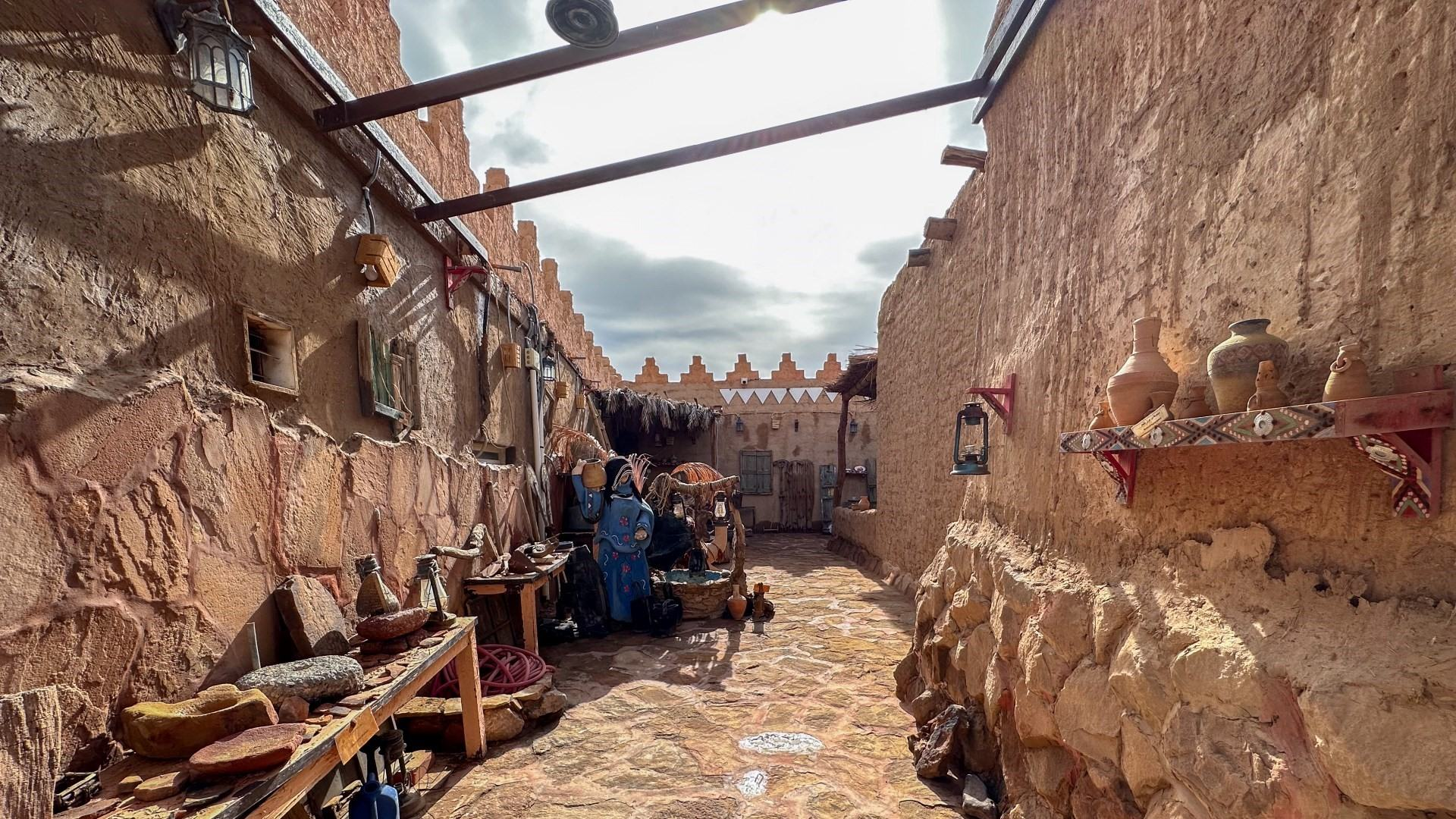
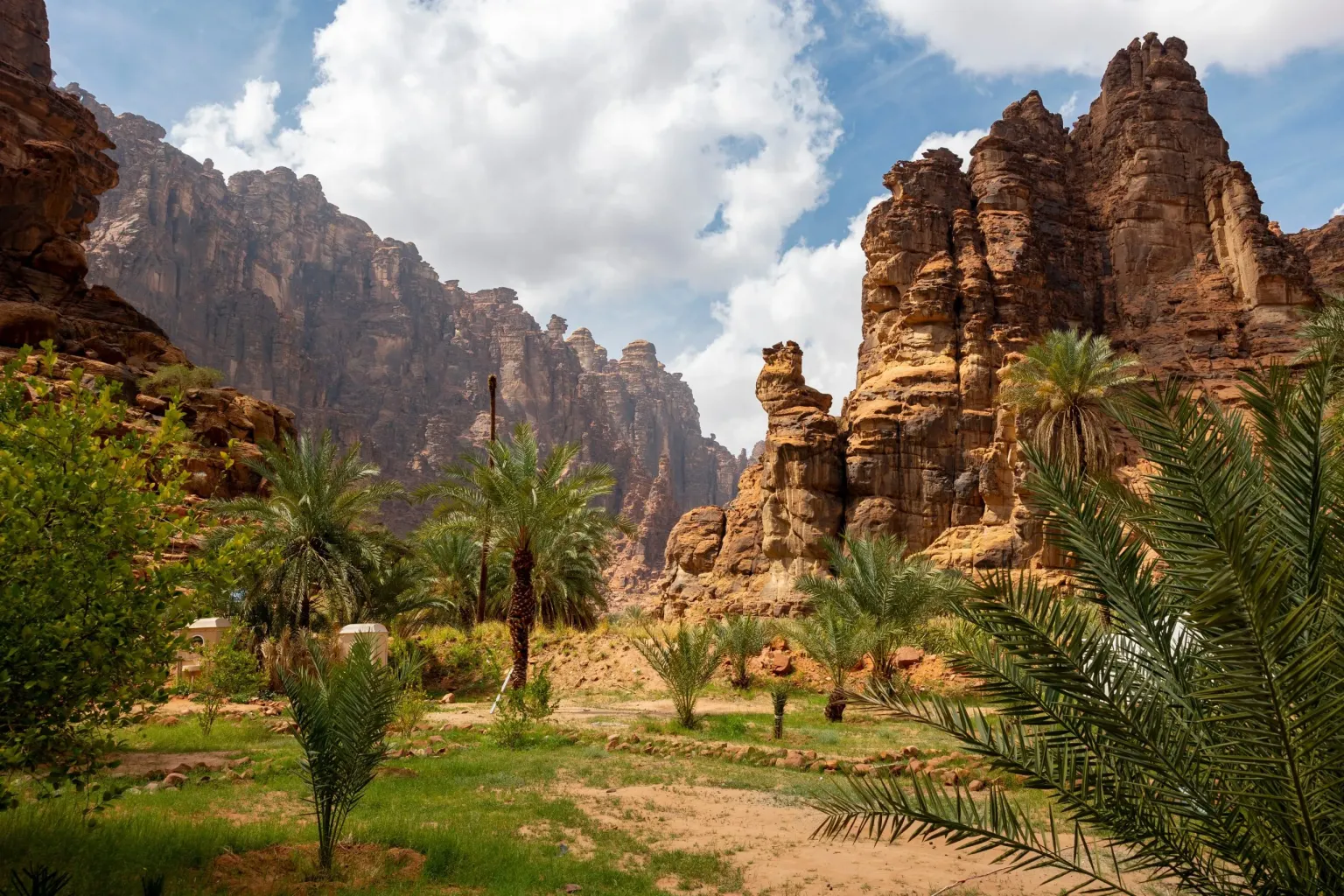
Buraydah is the administrative capital and largest city of Al-Qassim Province in central Saudi Arabia. Agriculture plays a major role in the identity of the city and surrounding region, with palm cultivation forming one of its most recognizable traditions. Buraydah offers visitors a look at a side of Saudi culture closely connected to farms, local markets, traditional foods, and long-established agricultural practices.
This connection is most visible during the Buraydah Date Festival, one of the Kingdom's most prominent events dedicated to dates and their trade. Numerous varieties are brought to market during the season, turning the city into a major gathering point for farmers, traders, and buyers. Buraydah is also associated with Klija, the well-known Qassim pastry traditionally filled with dates or date paste. The city's annual Klija Festival celebrates traditional foods, crafts, and the work of local productive families, showing how culinary traditions continue to remain part of everyday cultural life.
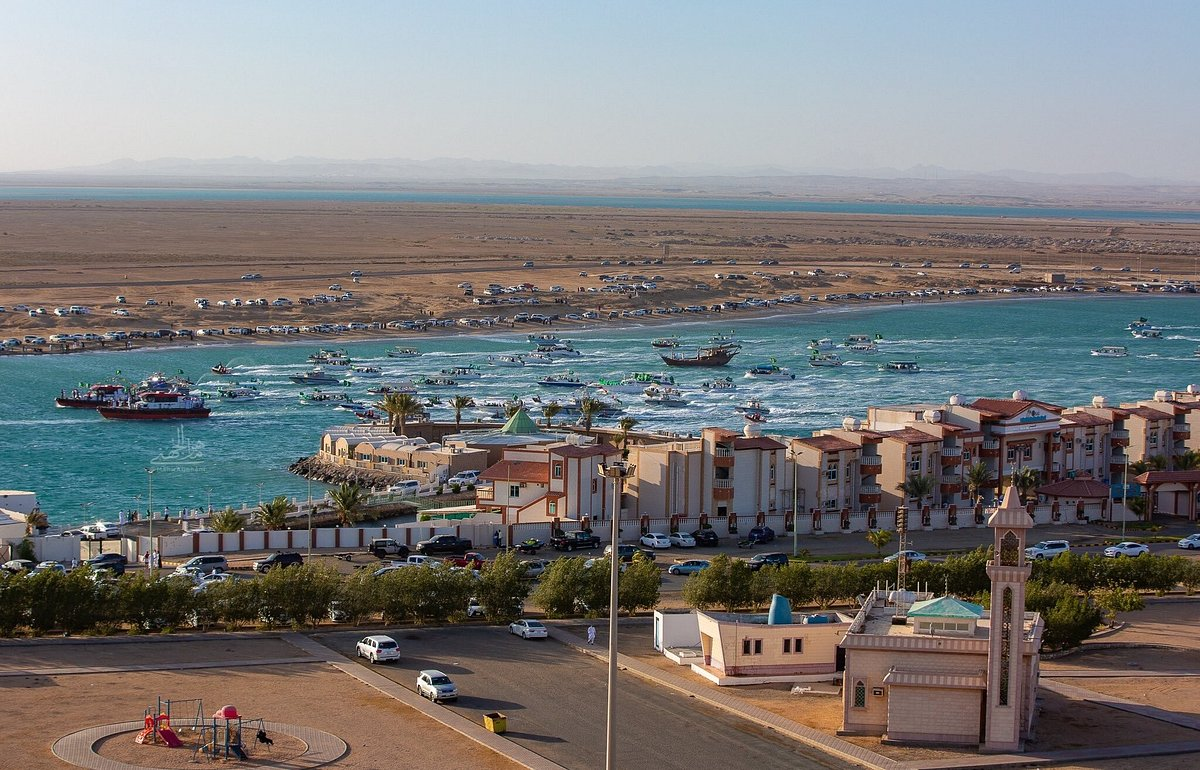
16) Yanbu: Where Red Sea Heritage Meets Modern Industry
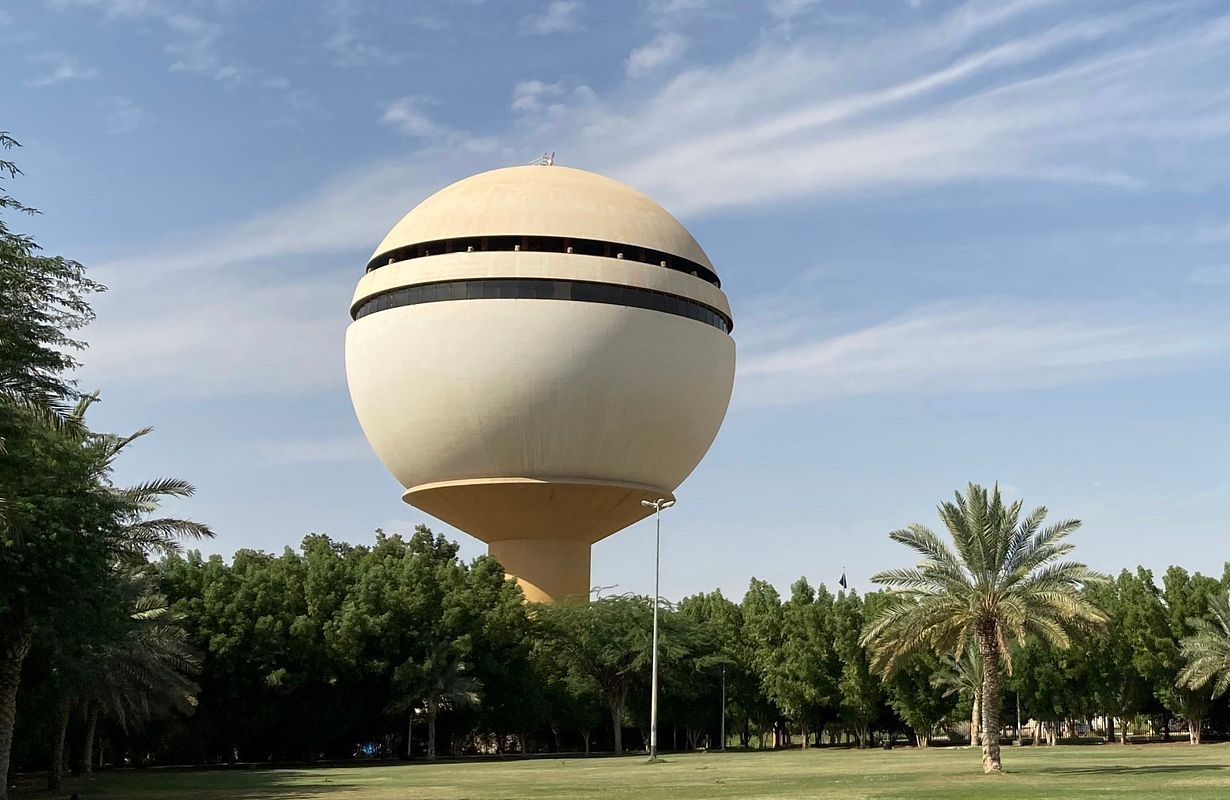
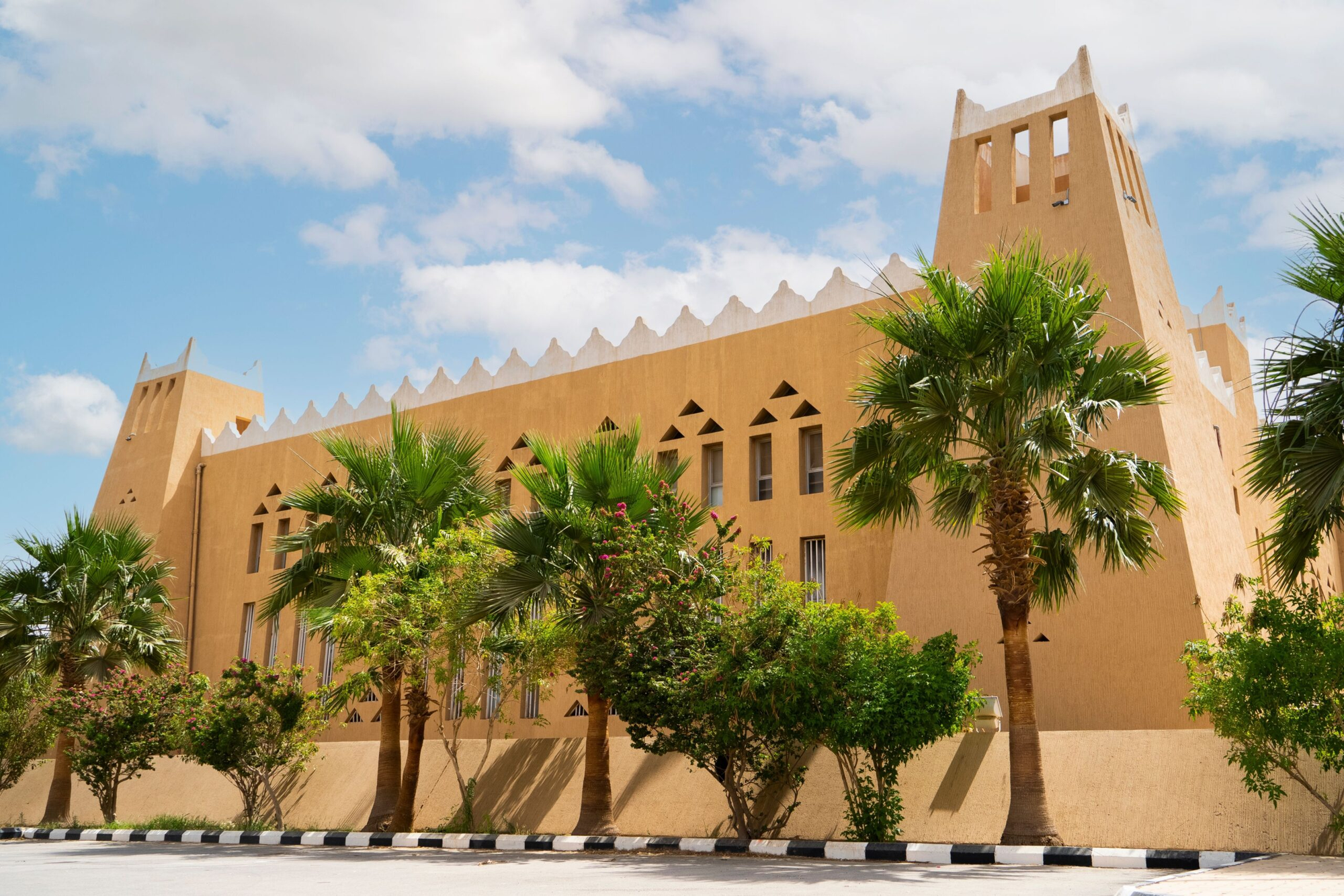
Yanbu is a Red Sea destination in Al-Madinah Al-Munawwarah Province with a history shaped by maritime trade, pilgrimage, and modern industrial development. The wider governorate includes Yanbu Al-Bahr, Yanbu Al-Nakhl, and Yanbu Industrial City, each reflecting a different part of the area's identity. Yanbu Al-Bahr represents the historic coastal settlement, while the industrial city reflects the Kingdom's modern economic growth.
The historic port of Yanbu once served travelers, traders, and pilgrims moving through the Red Sea region. Sites such as Al-Shuna Tower remain connected to this maritime past, while traditional Rawashin wooden windows preserve elements of the architectural character shared by historic cities of western Saudi Arabia. Offshore, Yanbu has also become known among diving enthusiasts for its coral reefs and marine environment. The result is a city where historic streets, Red Sea landscapes, and modern industry exist side by side.
17) Sakaka: Ancient Landmarks in Al-Jawf
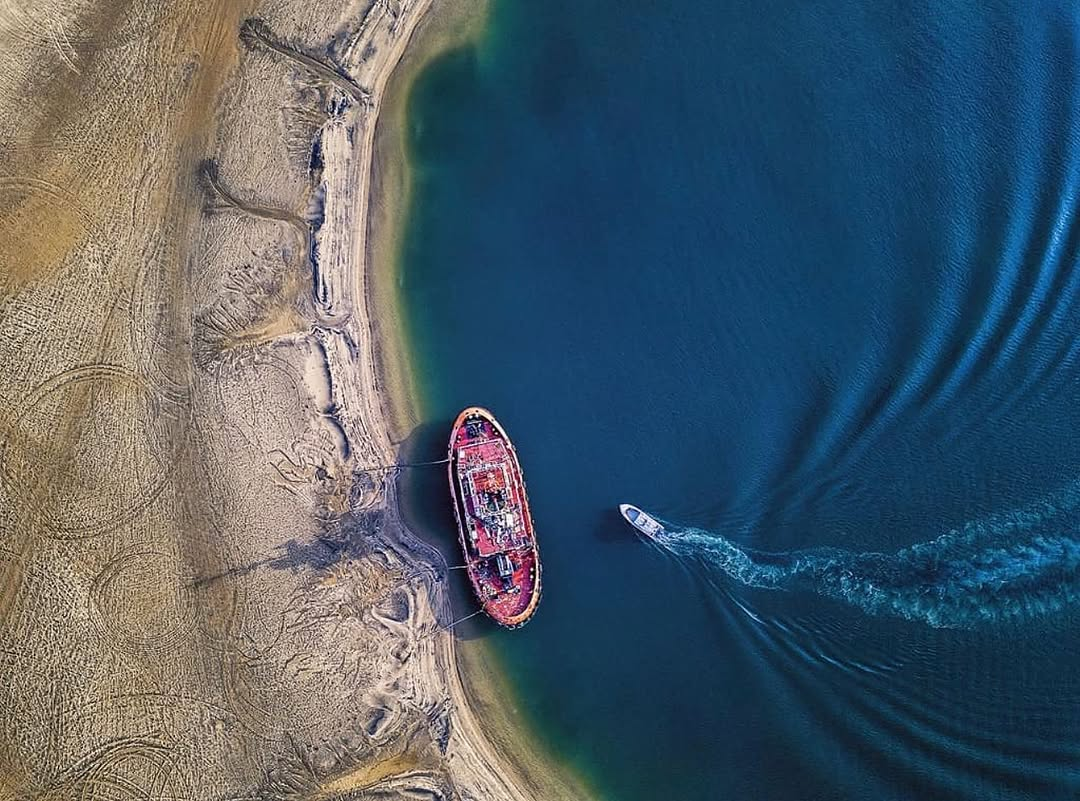
Sakaka is the administrative capital of Al-Jawf Province in northern Saudi Arabia. The city and its surrounding landscape contain archaeological landmarks that reflect long periods of human activity in northern Arabia. Ancient structures, wells, inscriptions, and stone monuments make Sakaka an especially interesting destination for travelers drawn to archaeology and regional history.
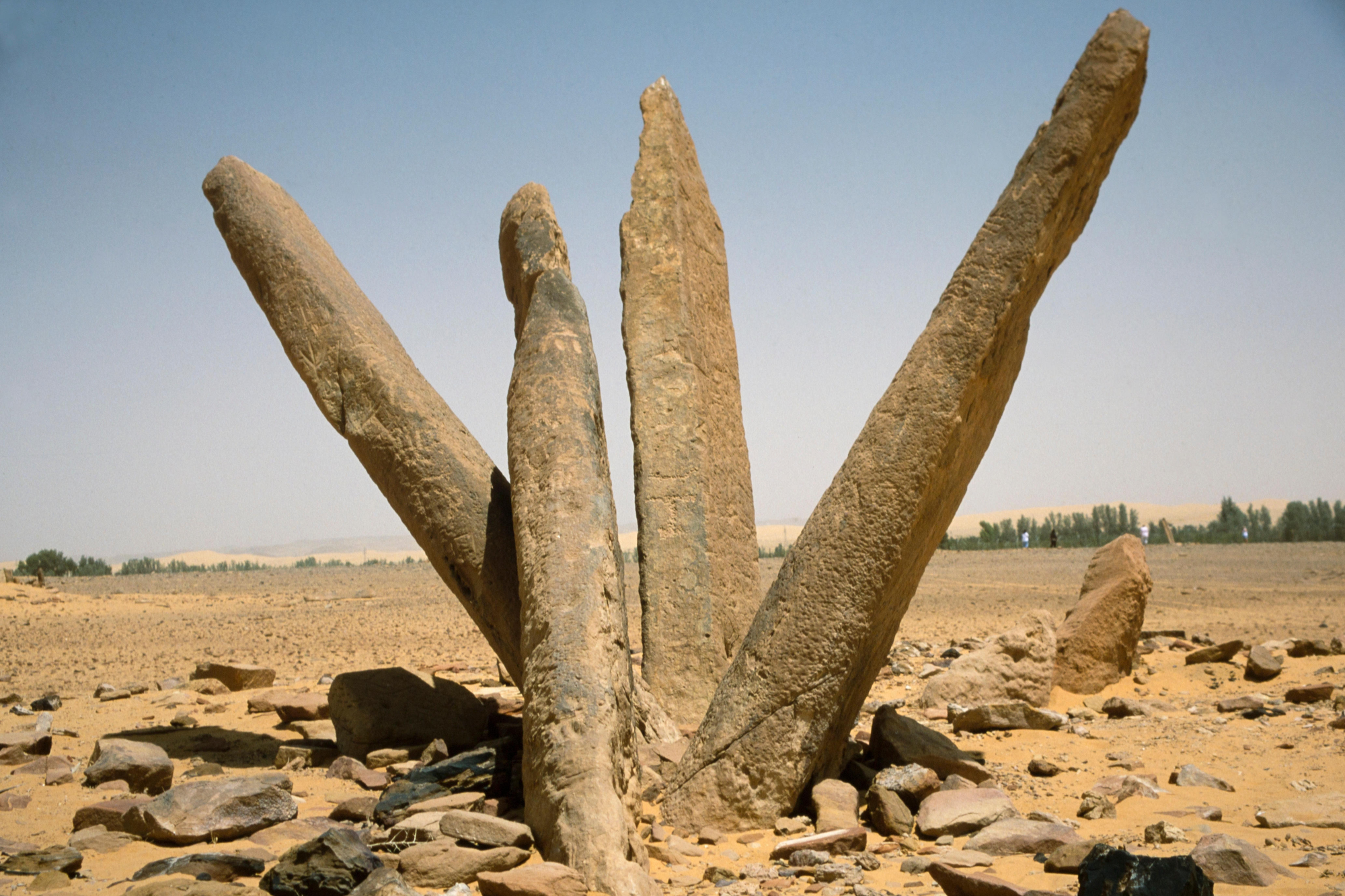
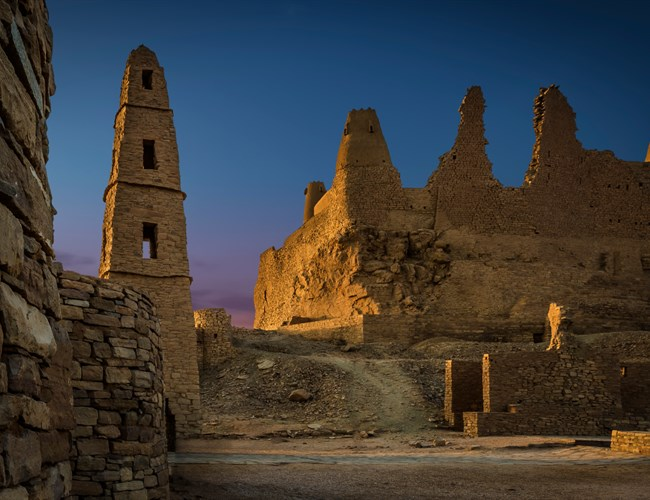
Zaabal Castle is one of Sakaka's most prominent landmarks. Standing on a rocky height north of the city, the castle has roots dating to the Nabataean period and was positioned to provide views across the surrounding area. Sakaka is also associated with the historic Sisera Well and the Al-Rajajil stone monuments (also known as the Stonehenge of the Arabian peninsula), a striking archaeological site consisting of groups of standing stone pillars. These sites highlight the long history of settlement and movement through Al-Jawf and give Sakaka an identity rooted in some of northern Saudi Arabia's most intriguing archaeological landscapes.
18) Khamis Mushait: A Historic Trading Center in Aseer
Khamis Mushait is one of the major cities of Aseer Province in southwestern Saudi Arabia. Historically known as an important trading center, the city developed around its strategic position on routes connecting Aseer with other parts of the Kingdom. Its mild climate and location near Abha place it within one of Saudi Arabia's most distinctive highland regions.
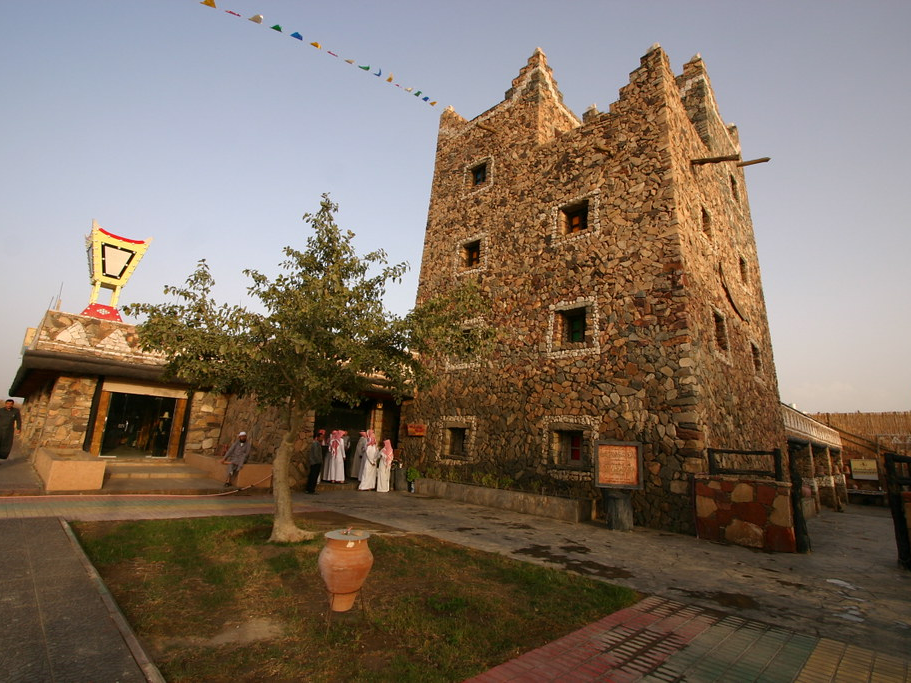
Among its notable heritage landmarks are the Al Mushait Palaces, a group of traditional mud-brick buildings that preserve an important part of the area's architectural and social history. The palaces hosted royal visitors and prominent delegations and are closely connected with the history of the local community. Today, Khamis Mushait combines this heritage with modern attractions such as Khamis Mushait Boulevard, creating a city where Aseer's traditional identity remains visible alongside contemporary urban life.
Planning Your Journey Through Saudi Arabia
Saudi Arabia’s cities tell a story that stretches far beyond landmarks and skylines. Each carries its own rhythm, shaped by faith, trade, landscape, architecture, and generations of local tradition. Together, they reveal a Kingdom where cultural identity is not simply preserved, but lived and renewed every day.
Traveling between these cities of Saudi Arabia offers a deeper understanding of the Kingdom’s remarkable regional diversity. From mountain communities and historic oases to Red Sea ports and rapidly changing urban centers, every destination adds another chapter to the country’s story. For visitors and Saudis alike, exploring these places is a way to see how the past continues to shape the Kingdom’s present, and how its heritage moves confidently into the future.
Frequently Asked Questions
What are the 10 biggest cities in Saudi Arabia?
Saudi population leaders include Riyadh, Jeddah, Mecca, Medina, Dammam, Hofuf, Tabuk, Buraydah, Taif, Khamis Mushait. The ordering follows 2022 census city figures, with Riyadh clearly the largest. Totals can shift when sources use city, governorate, or metropolitan boundaries.
What are the five richest cities in Saudi Arabia?
Based on GDP per capita and economic output, the five richest cities in Saudi Arabia are Dhahran, Riyadh, Khobar, Jeddah, and Dammam. These urban hubs drive the nation's wealth through energy production, finance, trade, and commerce.
How many cities are in Saudi Arabia?
Current administrative records list 13 provinces, 150 governorates, and 1,377 centers. Older GASTAT guides counted 16,263 populated places, including cities and villages.
What are the 13 provinces of Saudi Arabia?
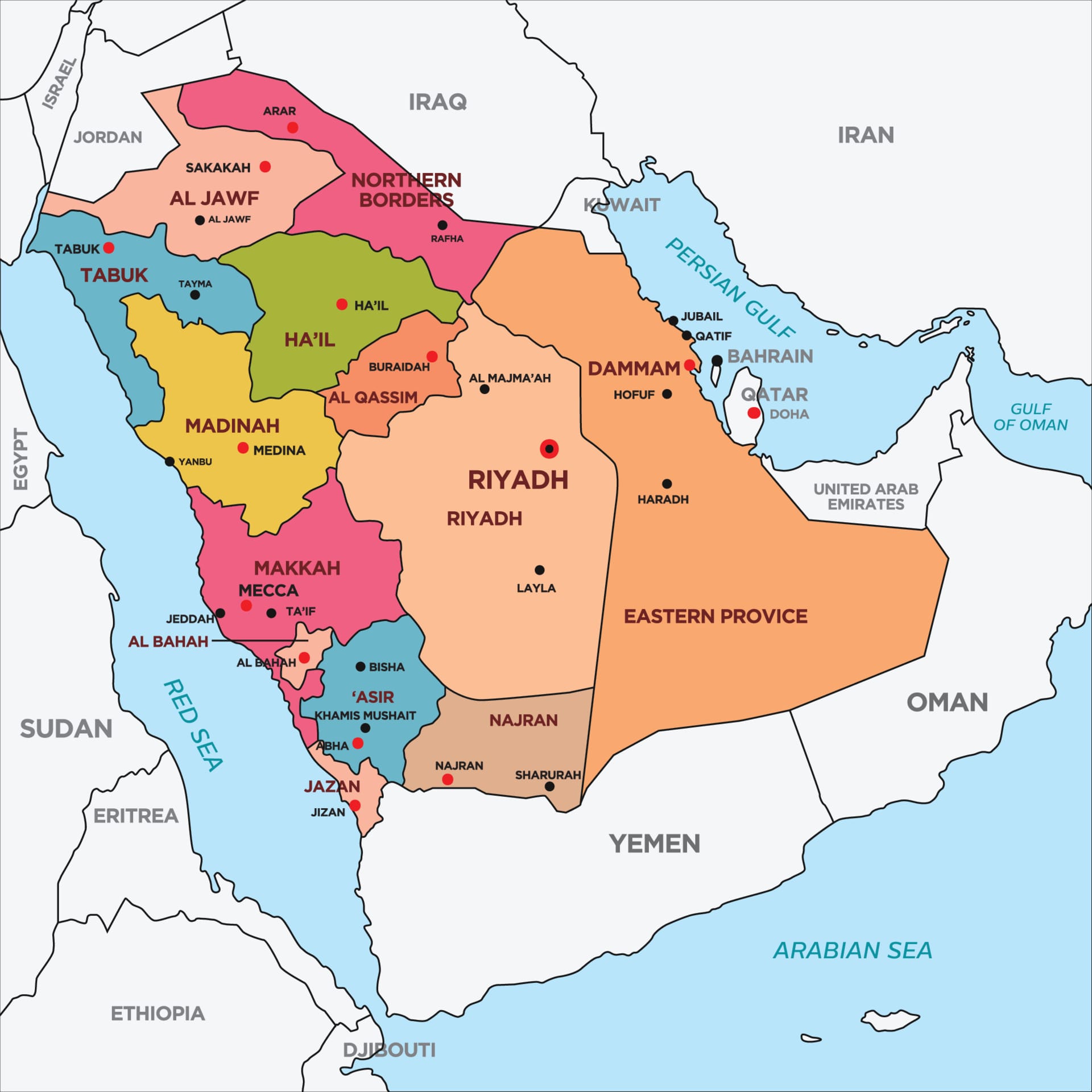
Saudi Arabia is officially divided into 13 administrative provinces across the Kingdom. They are Riyadh, Makkah, Madinah, Qassim, Eastern Province, Aseer, al-Bahah, Jazan, Najran, Hail, al-Jawf, Tabuk, and Northern Borders. Each province is further divided into governorates and administrative centers.