In Najd, clothing carried the rhythm of central Arabia. It answered the heat, the winter cold, the customs of family life, and the pride of belonging. Across Riyadh, Diriyah, Al-Arid, Sudair, Al-Washm, Al-Qassim, and the wider north-central Najdi sphere around Hail, traditional dress became a language of fabric, embroidery, modesty, and craft. It was not only worn, but made, repaired, remembered, and passed on.
What Made Najdi Clothing Distinct?
Najd’s traditional clothing was shaped by its inland environment. The climate required garments that could serve more than one season. Loose cuts allowed air to move around the body in hot weather, while the same wide structure made layering easier during colder months. Traditional clothing across Saudi Arabia was deeply connected to environment, daily work, seasonal needs, and available materials.
In the central region, fabrics ranged from cotton and linen to silk, wool, and heavier winter textiles. Some cloths were imported from places such as Yemen, India, the Levant, Egypt, and Iraq, showing how Najdi clothing reflected both local life and wider trade connections.
Men’s Traditional Clothing in Najd
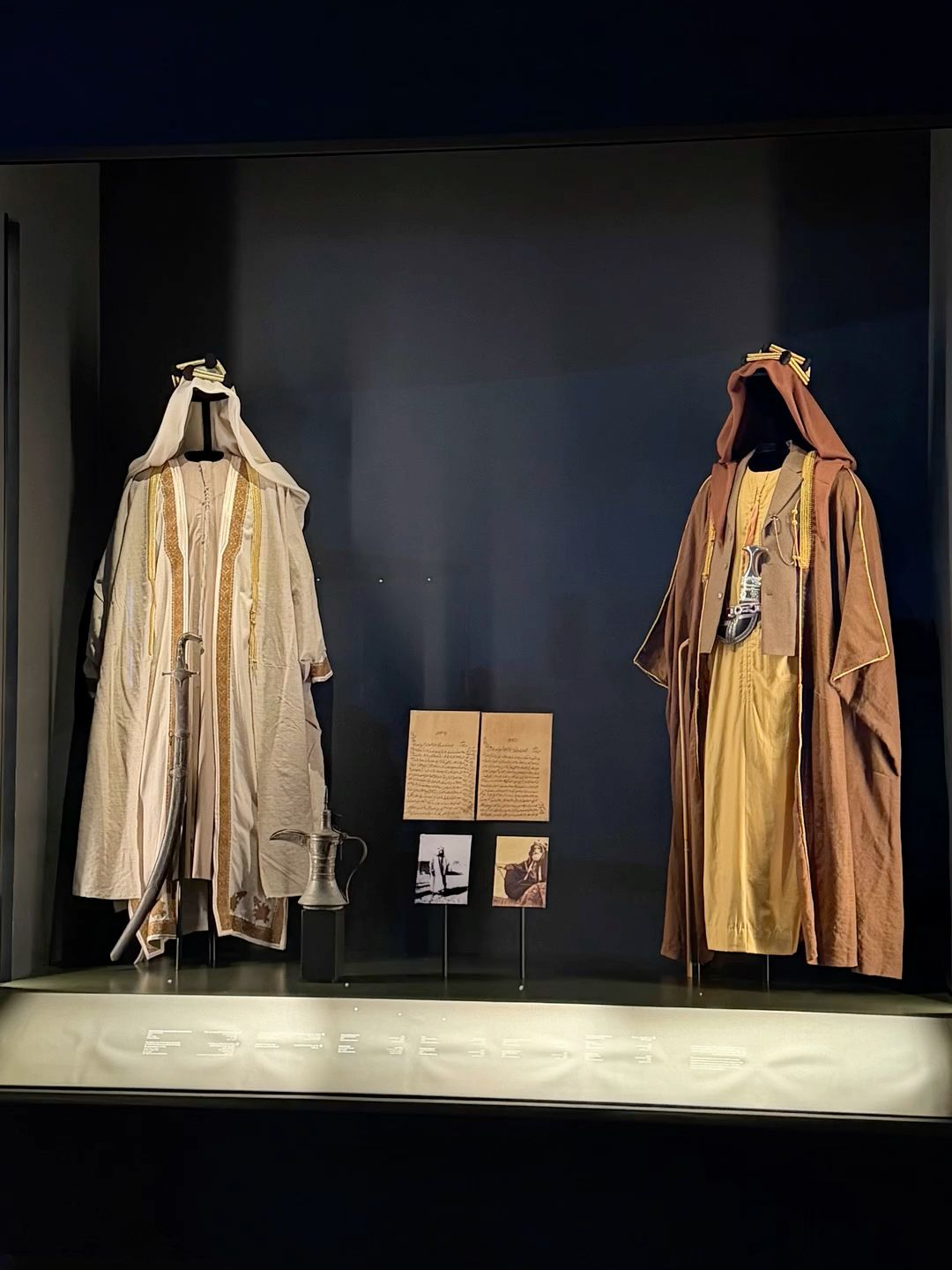
The central Najdi male outfit was built around the thobe, a garment that developed over time into the familiar form known today. Earlier versions were designed with practical movement in mind. The cut was wide enough for daily work, then gradually became narrower and more fitted as styles changed.
One important form was the thobe al-maqtaʿ, named because it was made from several cut pieces. It had sleeves that ended near the wrist and allowed easy hand movement. Over it, men could wear the murodan, a long garment known for its wide triangular sleeves that could hang down close to the ground.
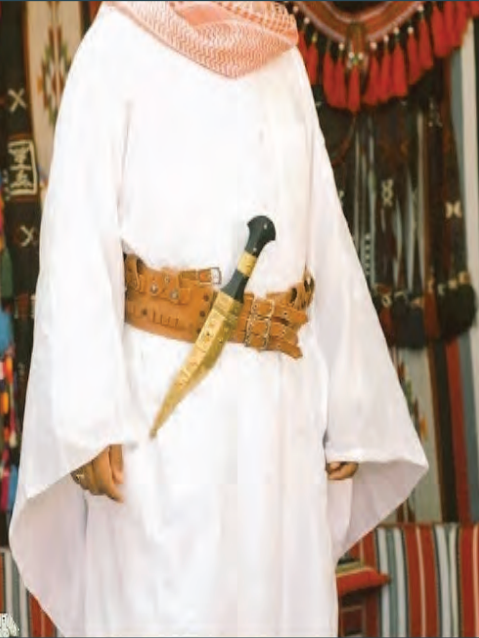
Other garments worn over the thobe included:
- Al-sayah: a long outer robe reaching the ankles, with wide sleeves and a front opening.
- Al-zabun: similar to the sayah, usually made from heavier fabric.
- Al-daglah: a long robe with a front opening, long sleeves, and a high collar.
- Al-jokhah or al-farmaliyah: a coat-like garment, often decorated with zari and ornamental stitching.
- Al-damir: a men’s outer garment remembered today in some performance and ceremonial contexts.
- Al-farwah: a warm winter garment.
- Al-bisht: the most recognized outer cloak, worn for warmth, dignity, and social presence.
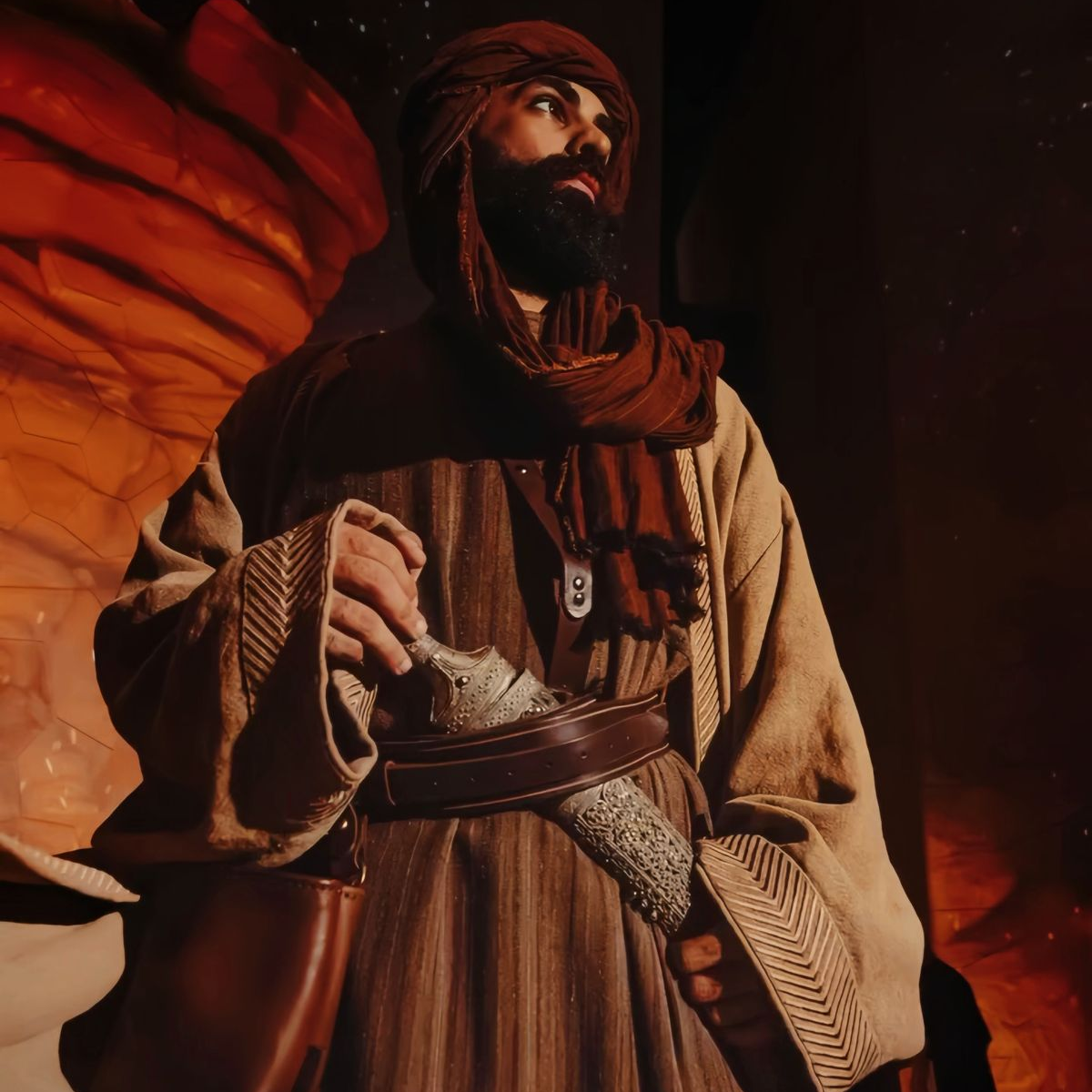
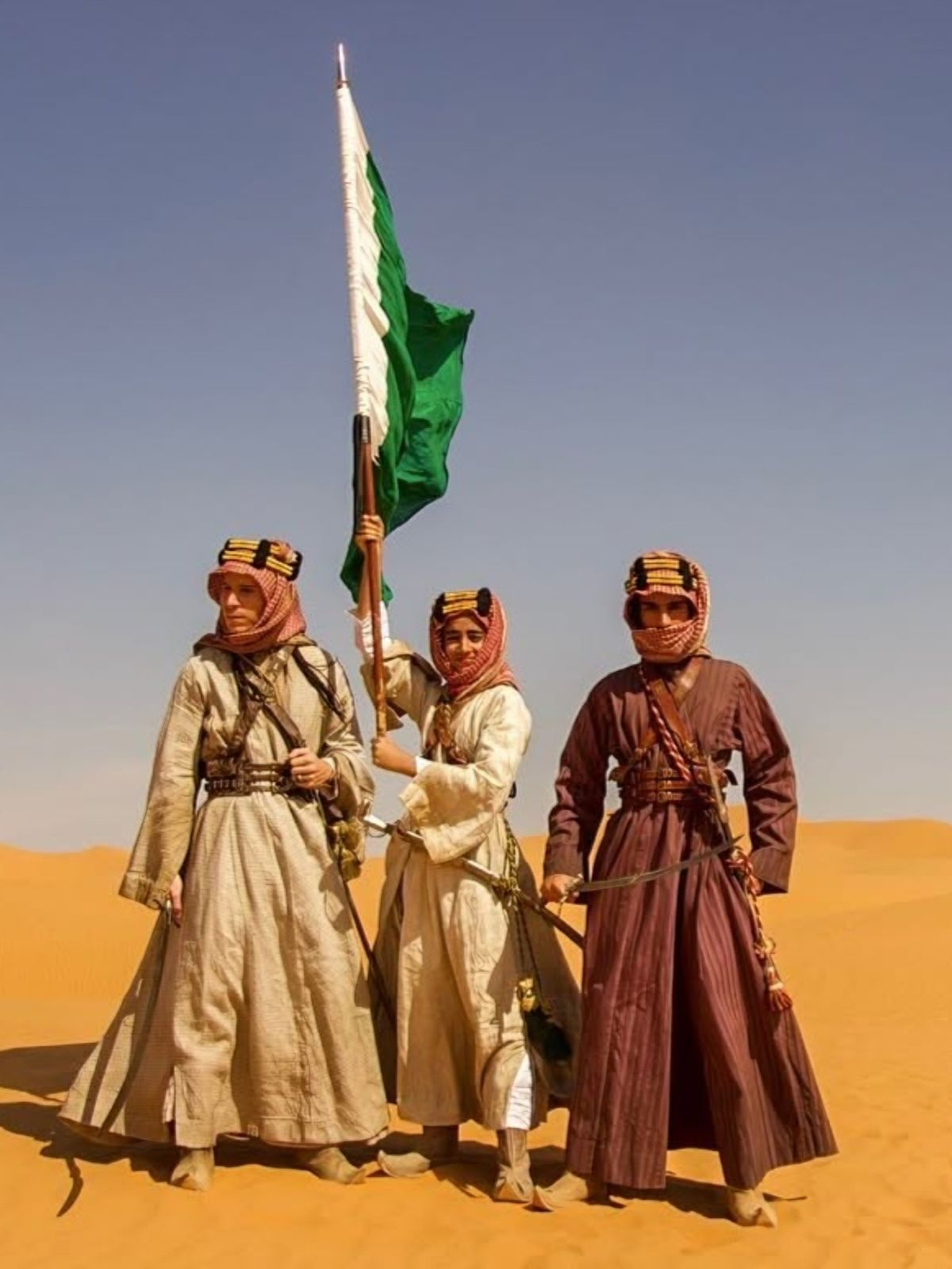
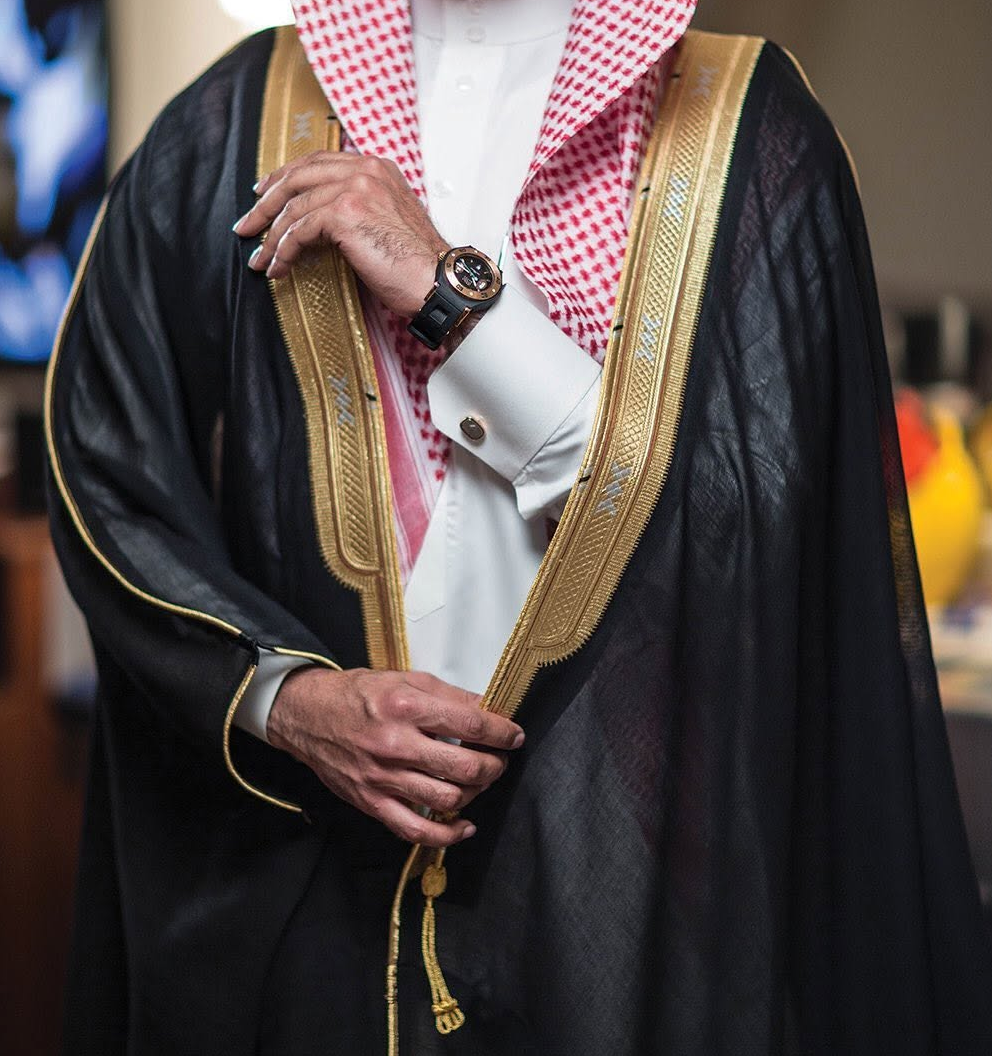
The Najdi Bisht: Status, Season, and Craft
The bisht, also called an abayah in some contexts, was one of the most important men’s garments in central Arabia. It could be worn for prestige, warmth, or formal occasions. Bishts were classified by season, including summer, spring, and winter types, depending on thickness and fabric.
Among the known types were the qaylani abayah, the bisht al-darbujah, the bisht al-mukassar, and the barqa abayah. The barqa was woven from goat wool and appeared in broad black, white, or beige stripes. It was worn in winter and was known in Najd and the Hijaz.
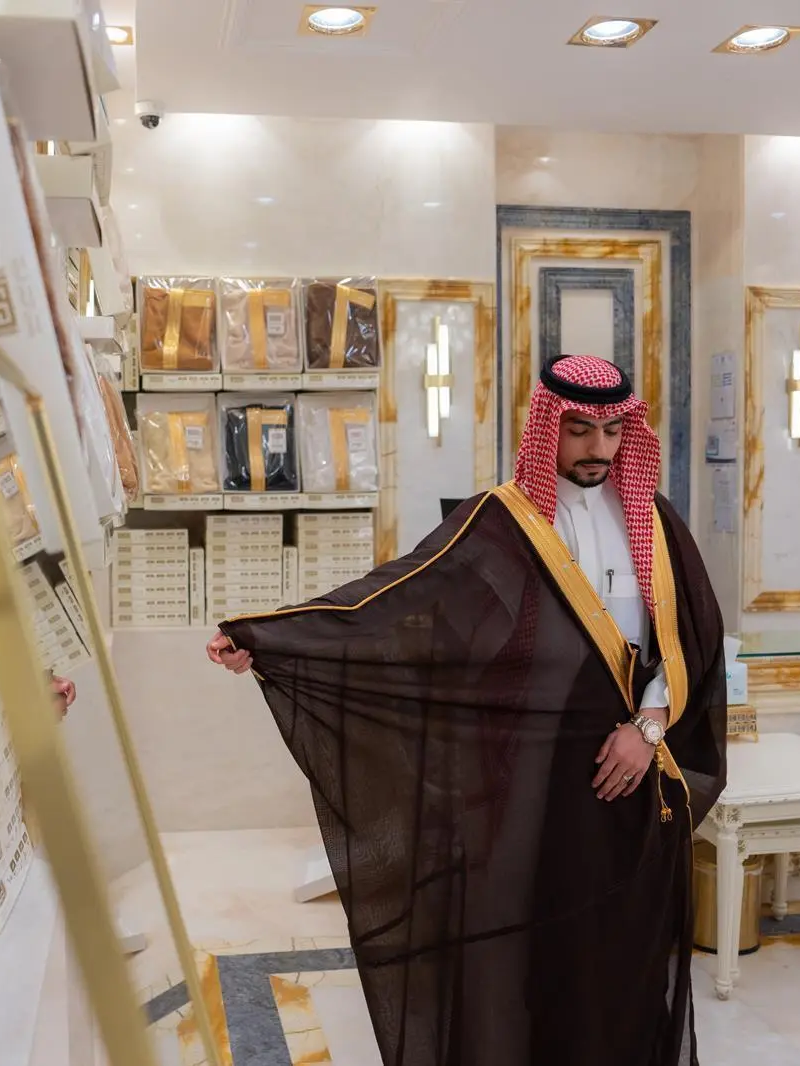
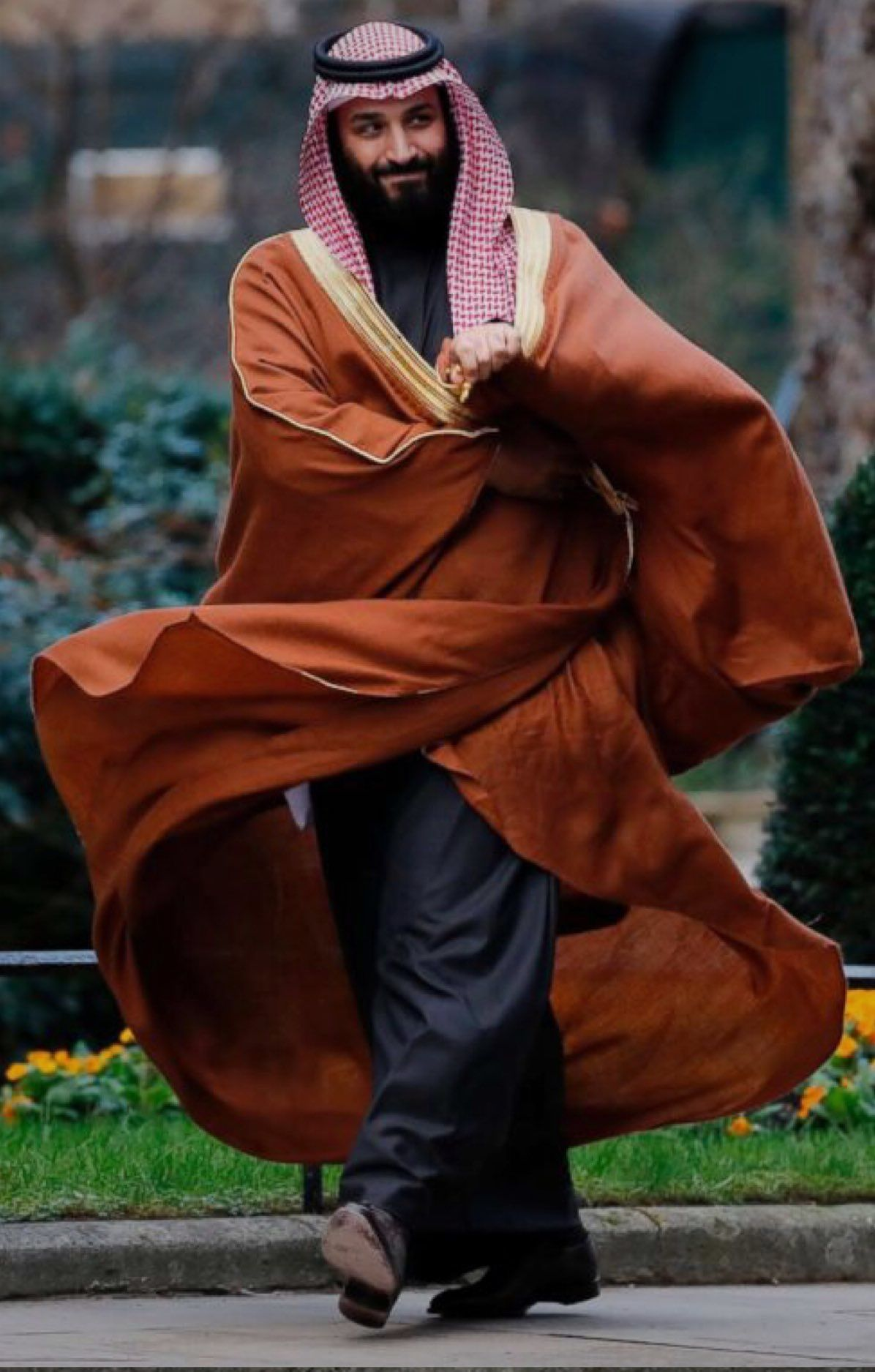
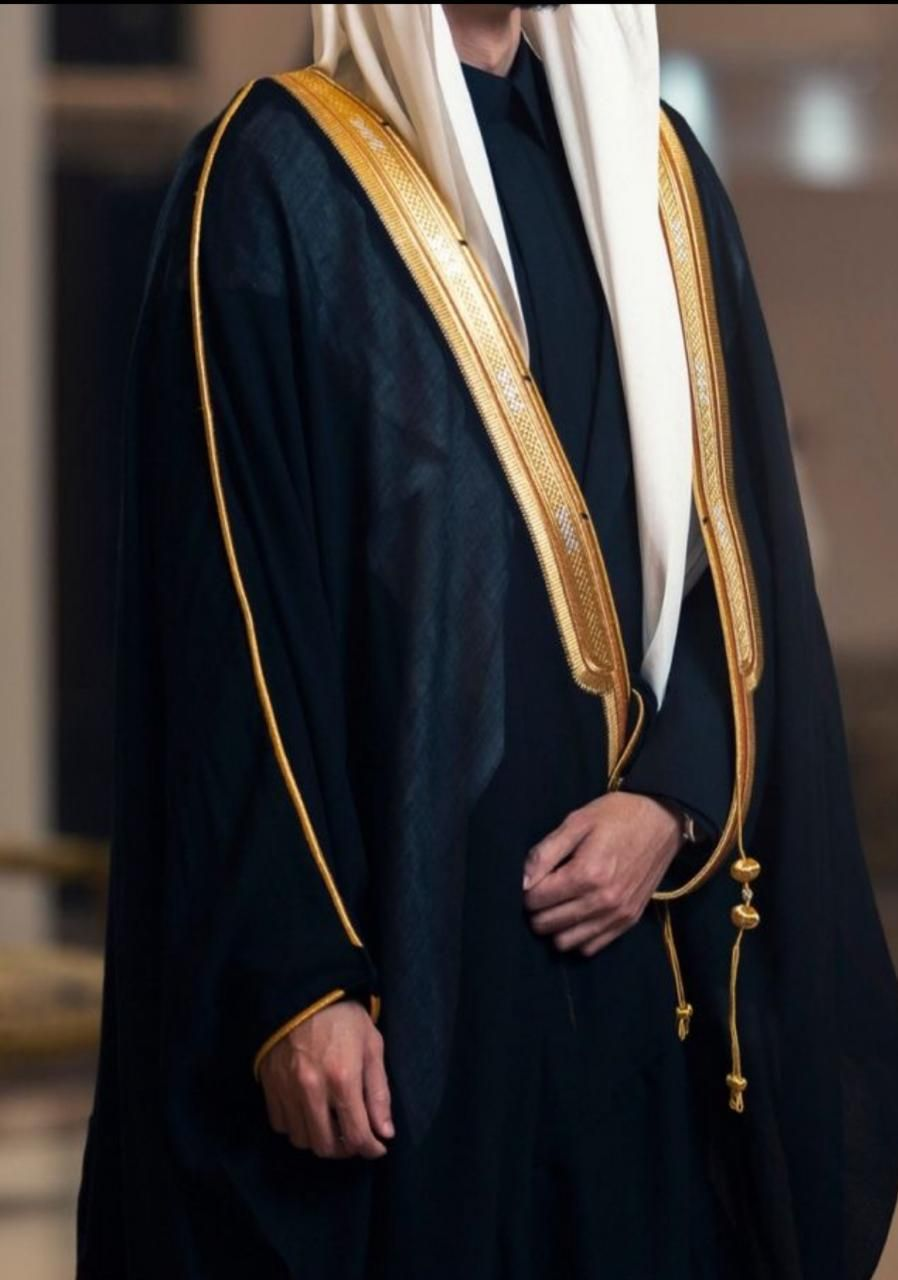
Al-Ahsa’s bisht-making tradition also connects Najd to the wider textile world of the Arabian Peninsula. While Najdi dress had its own character, garments such as the bisht moved through networks of craft, trade, and regional exchange. This gave central Arabian clothing both a local identity and a broader Saudi presence.
Traditional bishts were not all the same weight. Some were light for summer, others heavy for winter, and some were made for the seasons in between.
Najdi Headwear for Men
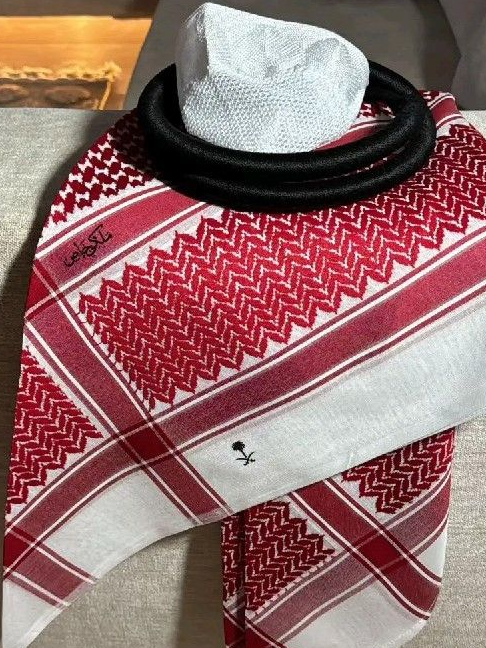
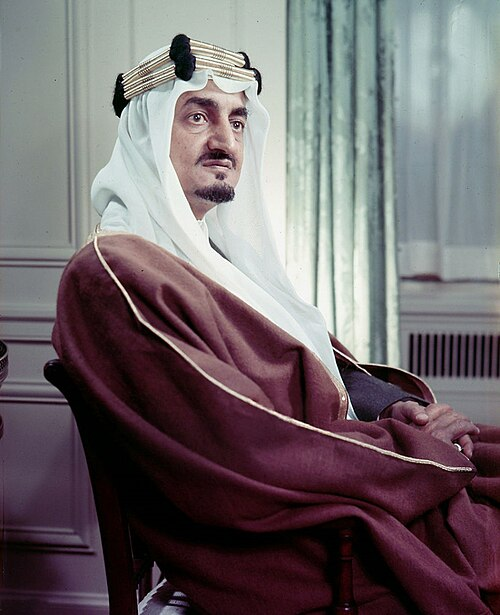
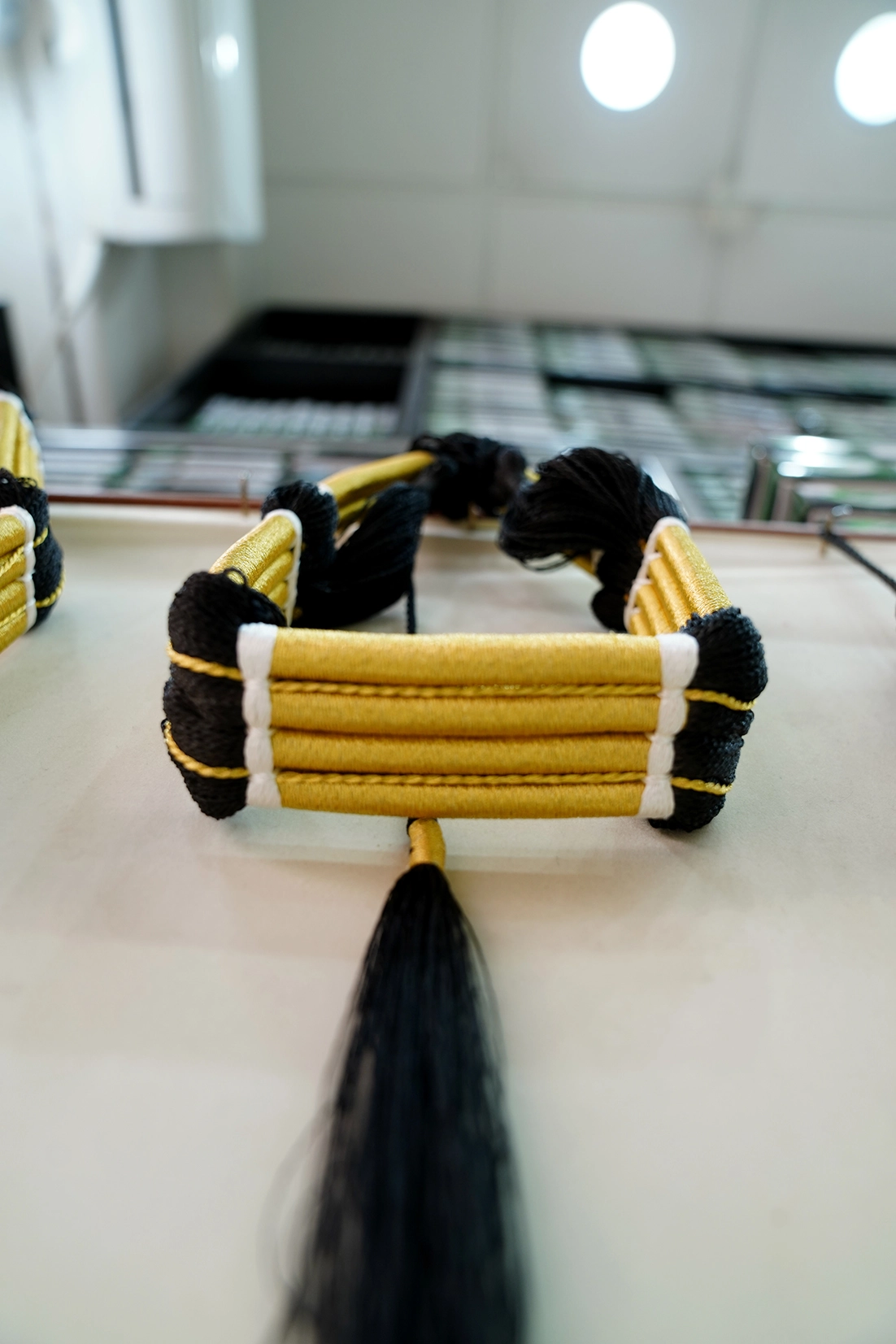
Men’s headwear in Najd also developed over time. The kufiyah, a square cloth made from cotton or linen and decorated in colors, was often folded into a triangle and secured with a cloth wrapped like a turban. Over time, the familiar combination of ghutrah, shemagh, taqiyah, and agal became more common. Several forms of iqal were known in the region, including:
- Agal al-shatfah
- Agal al-muqassab
- The black aga, traditionally handmade from black wool and lined with cotton
This evolution shows how Najdi men’s clothing preserved older forms while adapting gradually.
Women’s Traditional Clothing in Najd
Women’s clothing in Najd was rich in structure, color, and embroidery. During the First Saudi State period, women wore garments made from cotton, including the thobe al-karbas, often in green or black. Silk garments were also worn, especially among women of higher social status, and could be decorated with multiple colors and gold embroidery.
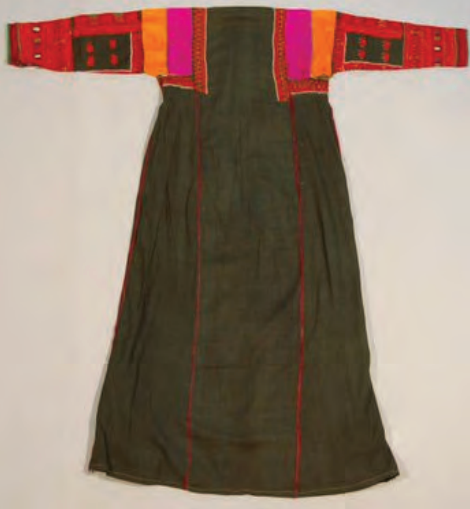
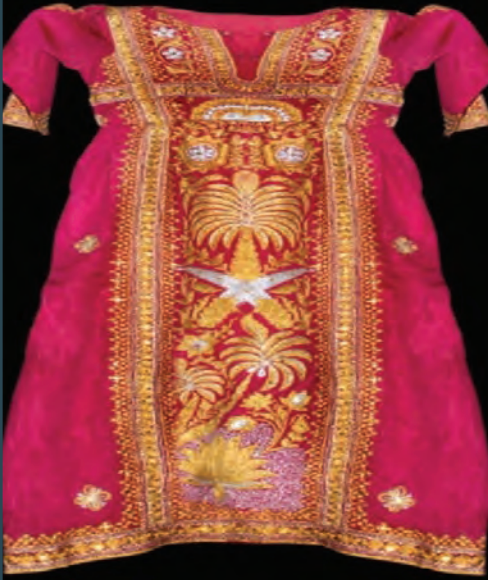
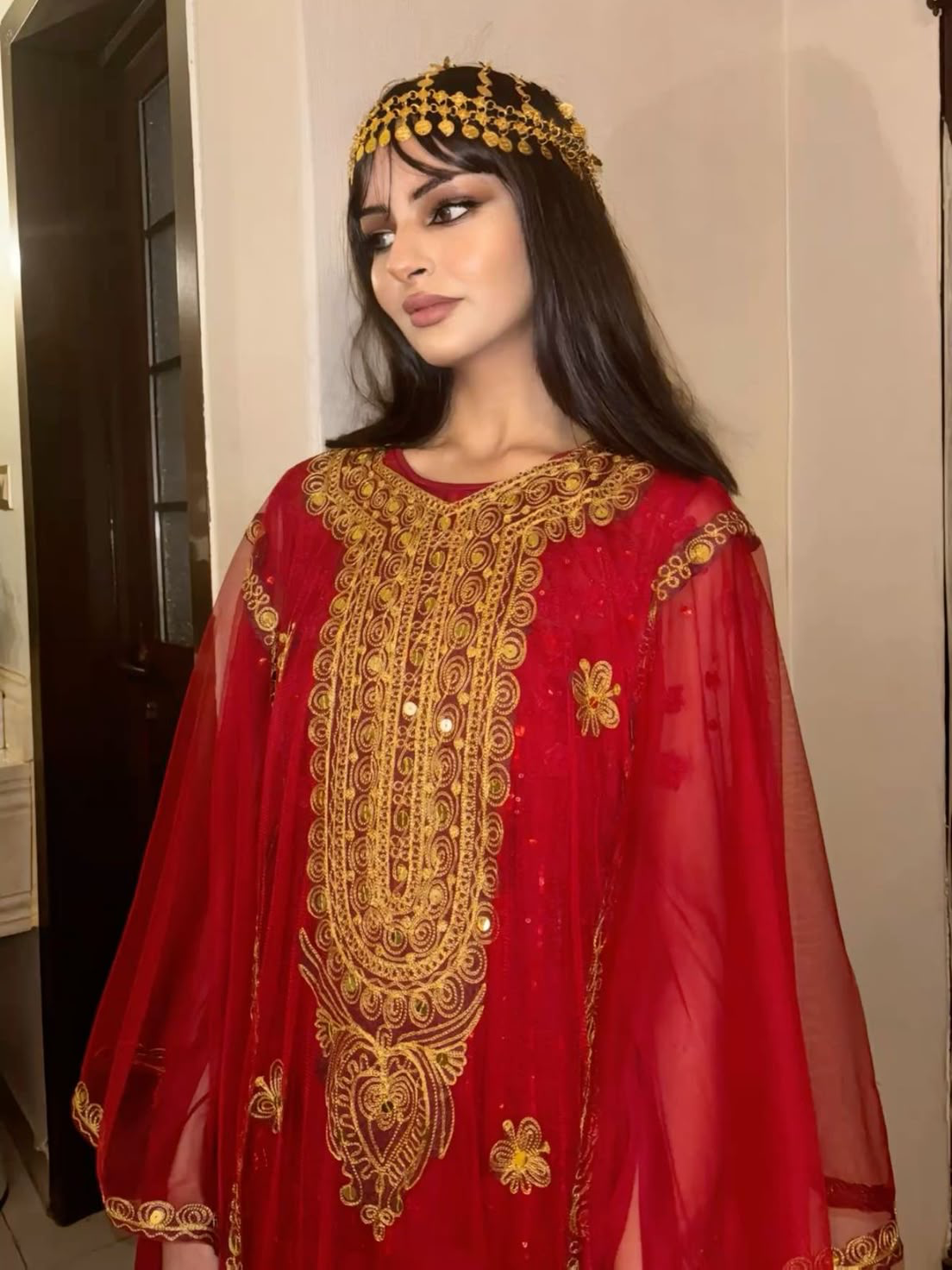
The most important women’s garment in central Arabia was the maqtaʿ, also known as the daraʿah. It was a wide dress reaching the ankles, with long sleeves that began wide at the shoulder and narrowed toward the wrist. Its parts included the body, side panels, sleeves, underarm inserts, neckline, and hidden pocket.
The maqtaʿ had many types, often named after the fabric, decoration, or method of construction. One example is the maqtaʿ al-zari, named for the zari threads used in the fabric and embroidery. It could include plant and geometric motifs, with dense decoration around the chest and sleeve ends.
The Upper Thobe: A Square of Elegance
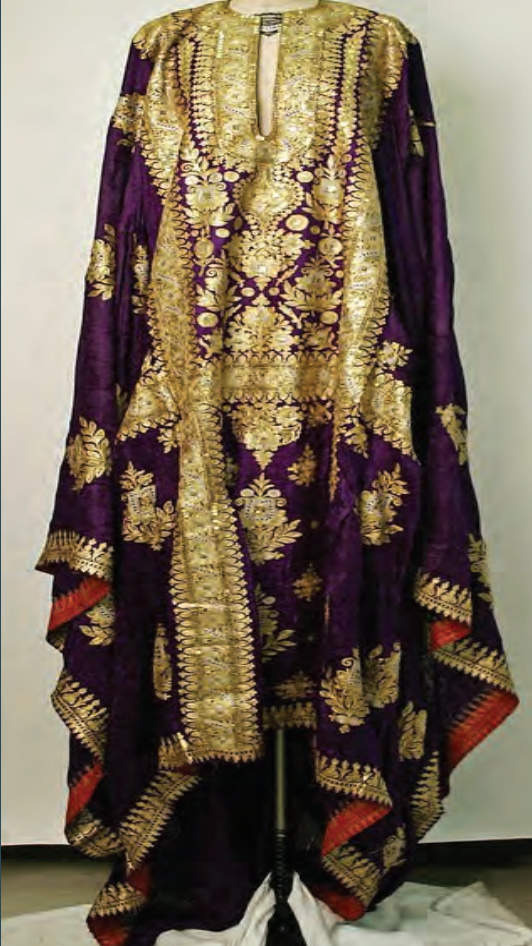
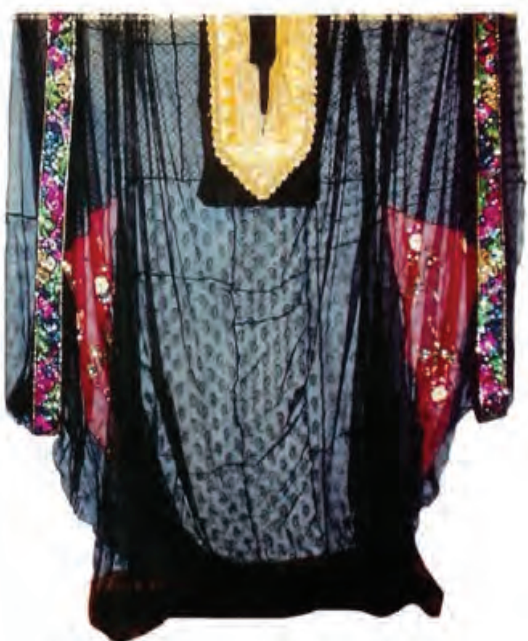
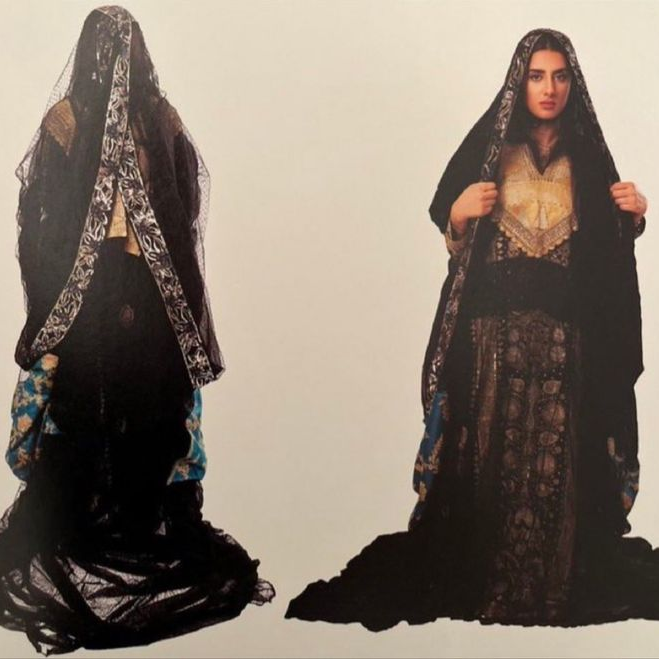
Over the maqtaʿ, women could wear an upper garment simply called al-thobe. It was very wide and often took a square-like form. It was made from delicate fabrics such as chiffon, tulle, or lace, and decorated with gold or silver zari, sequins, and embroidery.
This upper thobe existed in several Saudi regions, but the materials, colors, and decoration changed from place to place. In Najd, it became one of the most elegant forms of women’s clothing, especially for occasions. Important central-region forms included:
- Thobe al-tor or al-munaykhal, linked to black tulle fabric.
- Thobe al-mutafat, made with adjacent colored silk pieces.
- Thobe al-makhtam, decorated with broad embroidered lines and worn for occasions and Eid.
- Thobe al-masrah or al-nashal, decorated with very fine embroidered lines.
This elegant upper garment was known in Najd as the masrah. In the Eastern Region and parts of the Gulf, similar garments were more often called nashal. The shared form shows regional connection, while the different names reflect local identity.
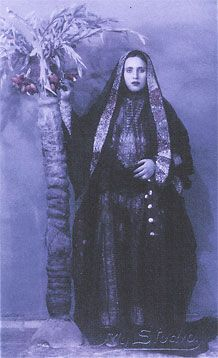
Bridal Clothing in Najd
Najdi bridal garments were not made for a single night. Traditional wedding clothing could remain part of a woman’s wardrobe after marriage, carrying the memory of the occasion while continuing to be worn and valued. This reflects an older culture of sustainability, where beauty, labor, and material were preserved rather than discarded.
In central Arabia, bridal garments from areas such as Al-Arid, Sudair, and Al-Washm were known for delicate fabrics and rich decoration. Some bridal thobes were made from tulle and adorned with zari elements on the chest and sleeves. These garments carried both celebration and continuity, linking a woman’s wedding day to the wider story of family and heritage.
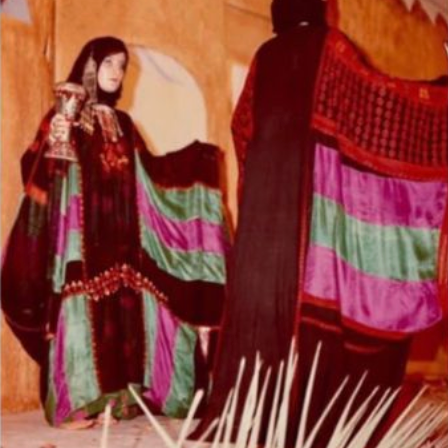
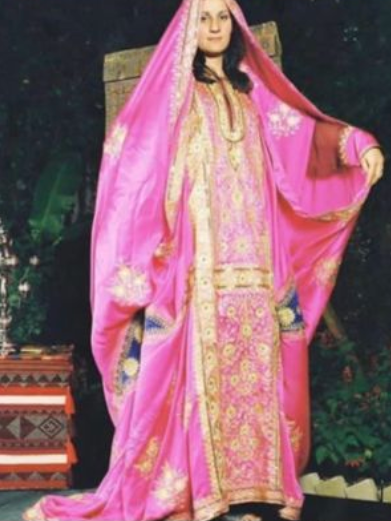
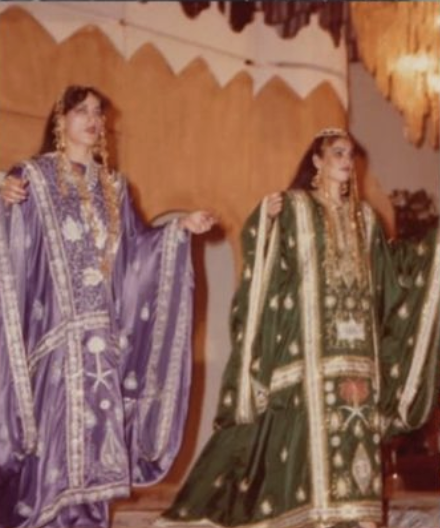
In traditional clothing, beauty and usefulness often worked together. A bridal garment could carry memory, status, and craft, while still remaining wearable after the wedding.
Women’s Outerwear and Head Coverings
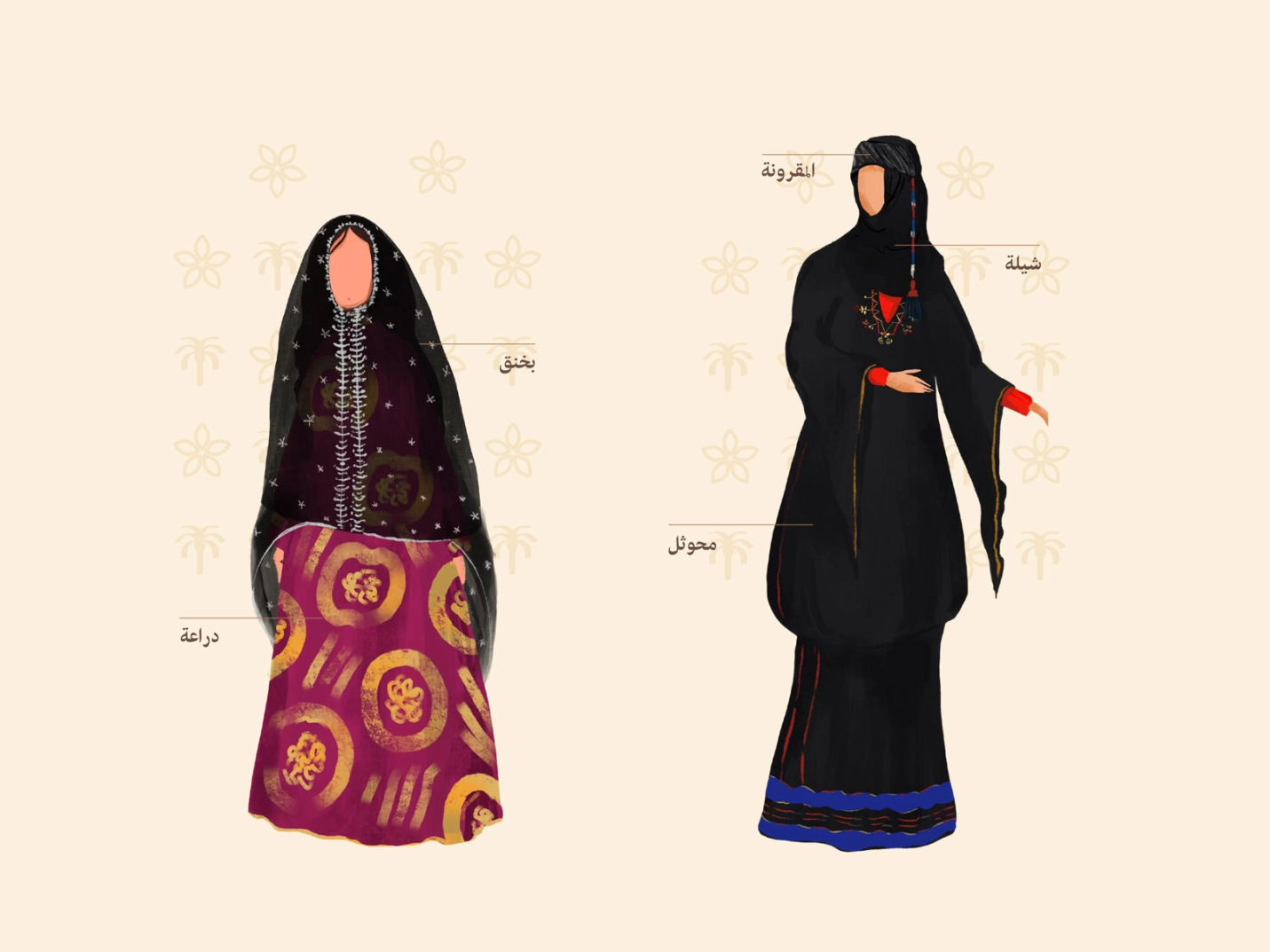
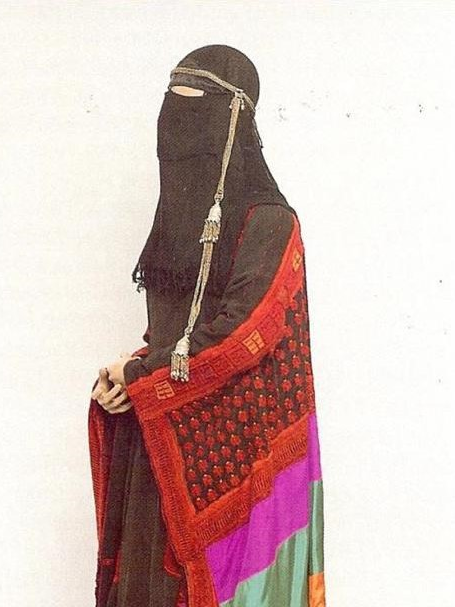
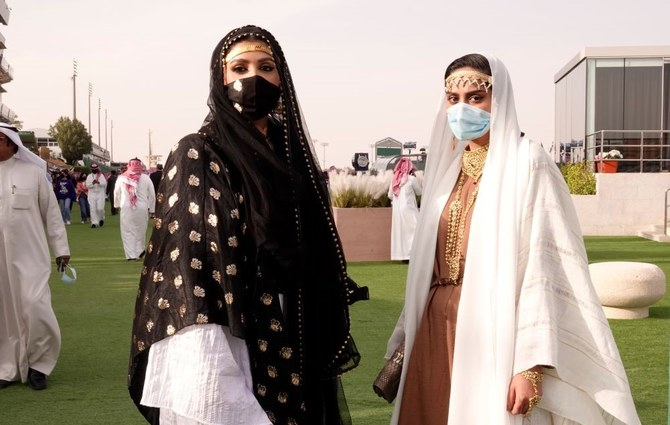
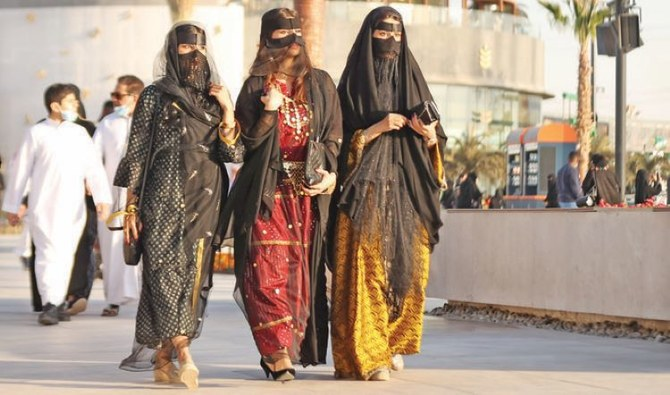
When leaving the home, women in Najd wore several outer garments and coverings. Young girls could wear the mukhnaq, a transparent silk, chiffon, or tulle covering sewn except for an opening around the face. Women wore the shilah, also called al-ghudfah, made from light tulle and wrapped around the head and shoulders. Other coverings included the ghatwah, made from heavier black cloth, and the burqa, which covered the face except for the eyes and could be decorated with jewelry.
Women’s outer abayahs were also carefully made. Some were rectangular, folded from the sides, and worn over the head. They could be made from coarse wool or softer wool, depending on type and use. Known forms included the qaylani abayah, abayat faysul, abayat al-marshadah, abayat al-miʿsamah, and daffat al-mahud, which could be part of a bride’s wedding set.
Decoration, Zari, and Women’s Craft
Najdi clothing cannot be understood without the work of women. Women were central to making, decorating, repairing, and preserving garments. They embroidered with silk, cotton, wool, beads, and zari threads. When sewing thread was not available, women could pull threads from the fabric itself, twist them, and use them for stitching.
This craft was not casual. Some garments could take a very long time to complete, especially those prepared for marriage. Embroidered pieces from older garments were sometimes transferred to newer ones, a practice connected to sustainability and respect for labor.
Najdi garments also reflected seasonal needs and the natural materials available to makers. Light fabrics such as cotton and silk suited warmer months, while heavier textiles such as wool were used for winter. Natural dyes, including pomegranate peel, cochineal, indigo, and saffron, added color to fabrics and connected clothing to the land as much as to the loom.
How Najdi Clothing Changed Over Time
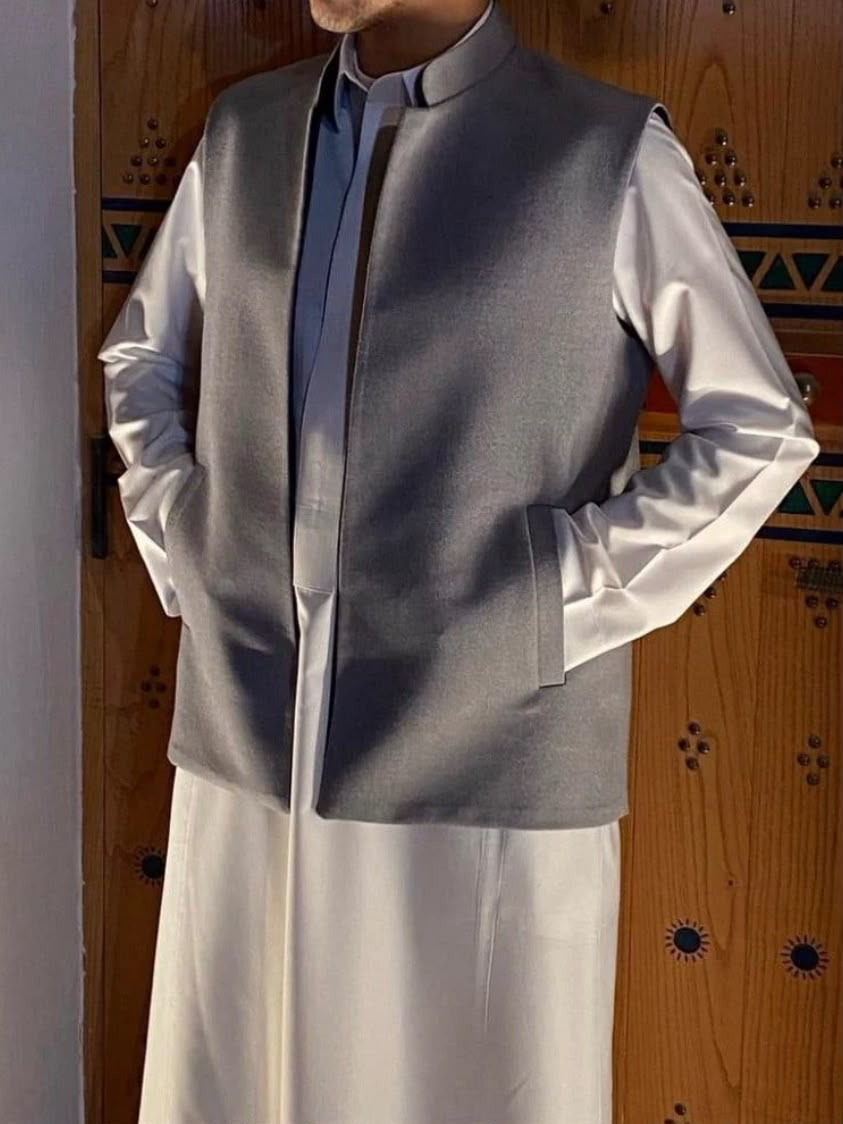
Traditional clothing in Najd did not disappear suddenly. It changed step by step. The men’s thobe gradually developed with new details, such as the front pocket, collar, narrower sleeves, and replacement of older construction parts with newer tailoring methods. Women’s clothing also evolved. The maqtaʿ eventually moved through later forms, including the kirtah, which had a waist cut, bodice, sleeves, and gathered or pleated structure. This marked a transition from older traditional cuts toward modern dressmaking.
With oil-era change, travel, imported fashion, sewing machines, magazines, tailors, and ready-made clothing, many traditional garments stopped being worn in daily life. However, their value did not disappear. Today, Najdi clothing is being appreciated again as art, memory, and heritage, a reminder that cultural identity can evolve while still honoring its roots.
Najdi Clothing Today: Heritage, Design, and Preservation
Najdi clothing continues to inspire Saudi designers, cultural events, Founding Day celebrations, and museum work. Modern designs inspired by traditional garments can bring heritage into everyday life in fresh ways. At the same time, original forms remain important for official cultural representation, especially when presenting Saudi heritage to wider audiences.
This is why documentation matters. Traditional Najdi garments are more than beautiful textiles. They record climate knowledge, women’s craftsmanship, trade connections, family memory, and social identity.
A Living Heritage of Central Arabia
In Najd, clothing was never only about appearance. The thobe, bisht, maqtaʿ, masrah, abayah, and shilah all carried a way of living. They showed how central Arabia balanced modesty with ornament, practicality with dignity, and inherited forms with quiet adaptation.
Today, Najdi dress remains one of Saudi Arabia’s strongest visual links to its past. Its lines may appear simple at first, but every sleeve, fold, thread, and panel holds a story of craft and continuity.
Source Note: This article draws on Saudipedia entries, the Saudi Traditional Fashion in the First Saudi State publication, official Kingdom dress guidelines and heritage craft documentation, and publicly available talks and research by Prof. Dr. Laila bint Saleh Al-Bassam, a Saudi scholar of traditional clothing and textile history known for her decades of field research documenting Saudi regional dress.